April 30, 2026
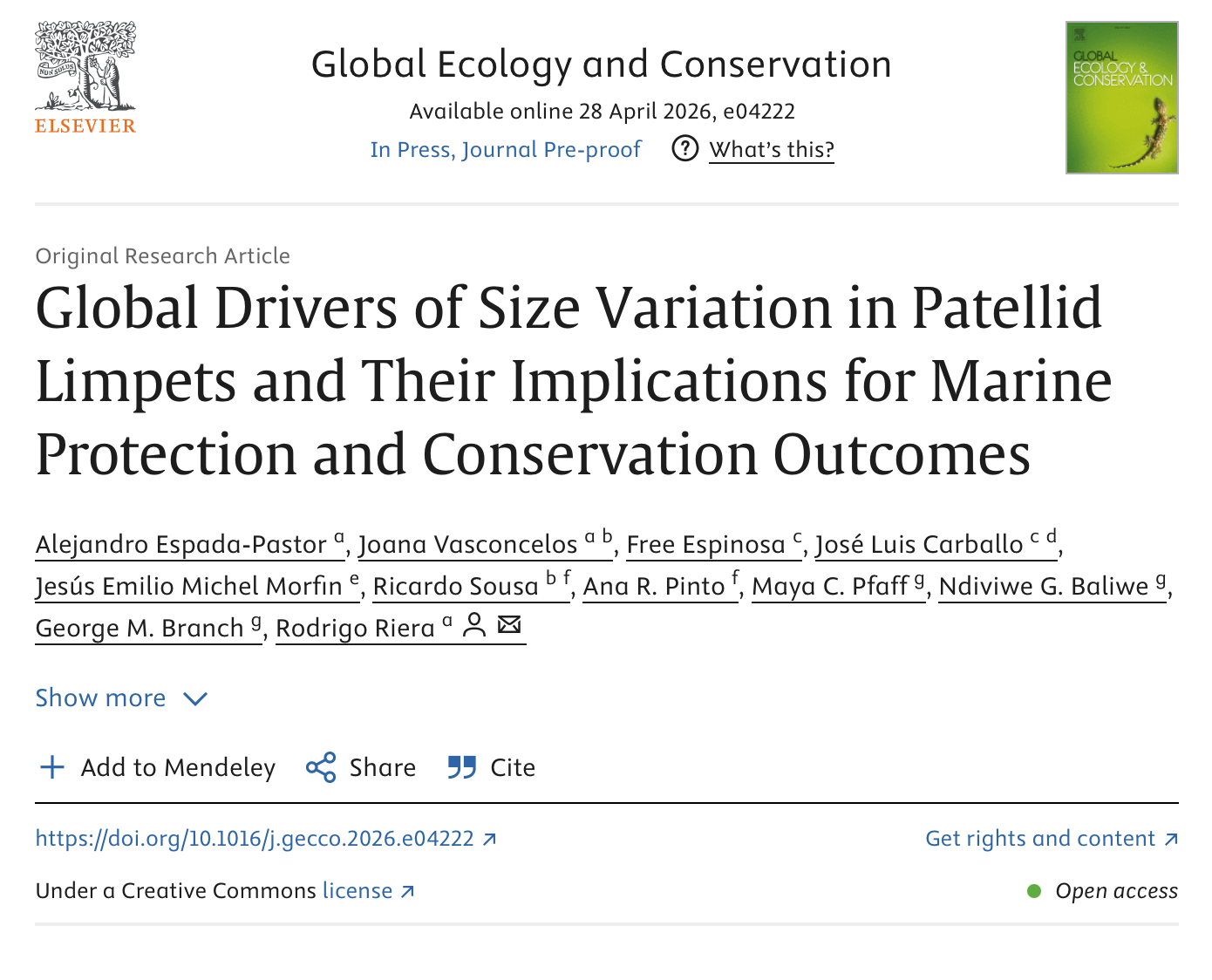
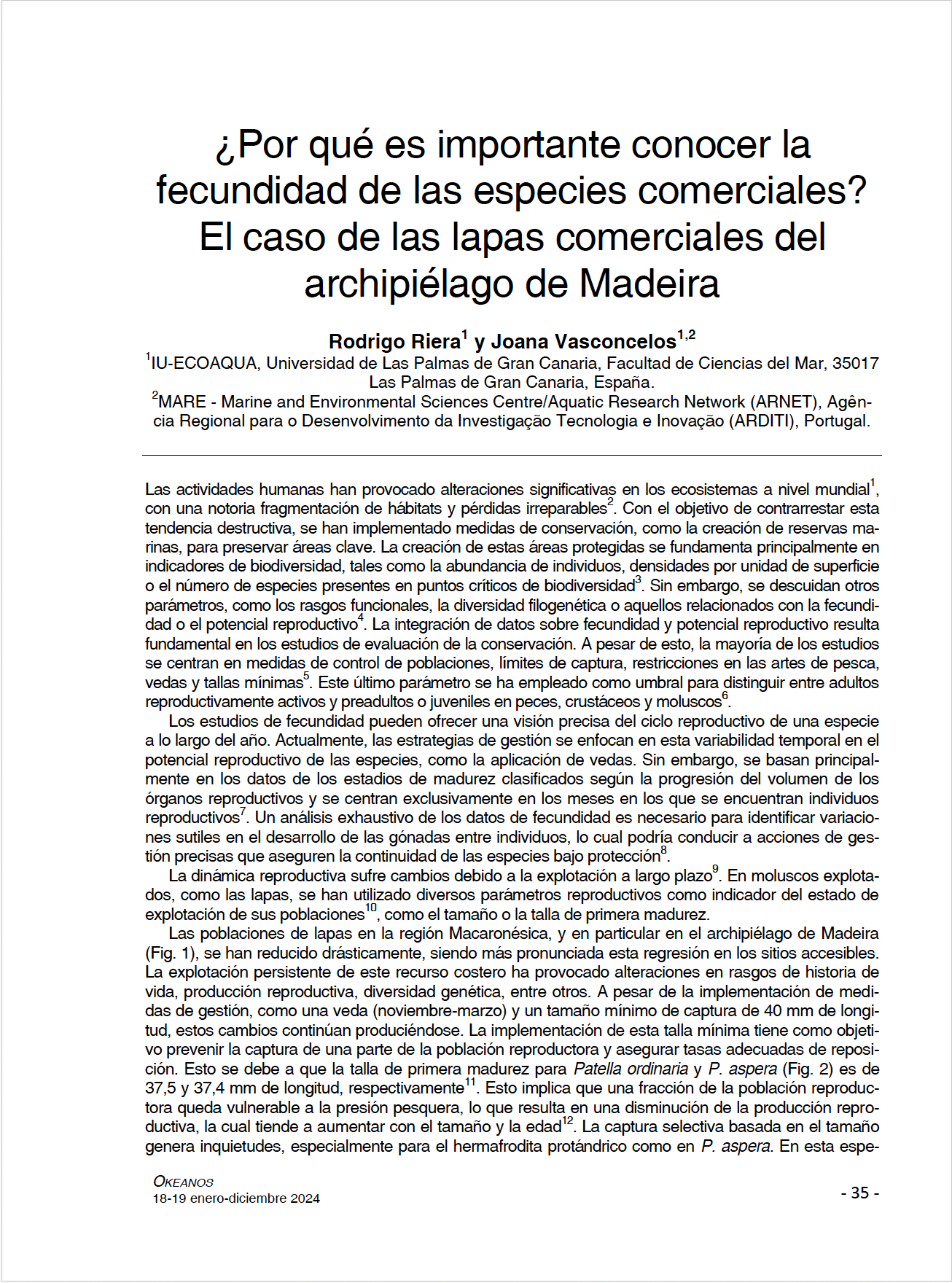
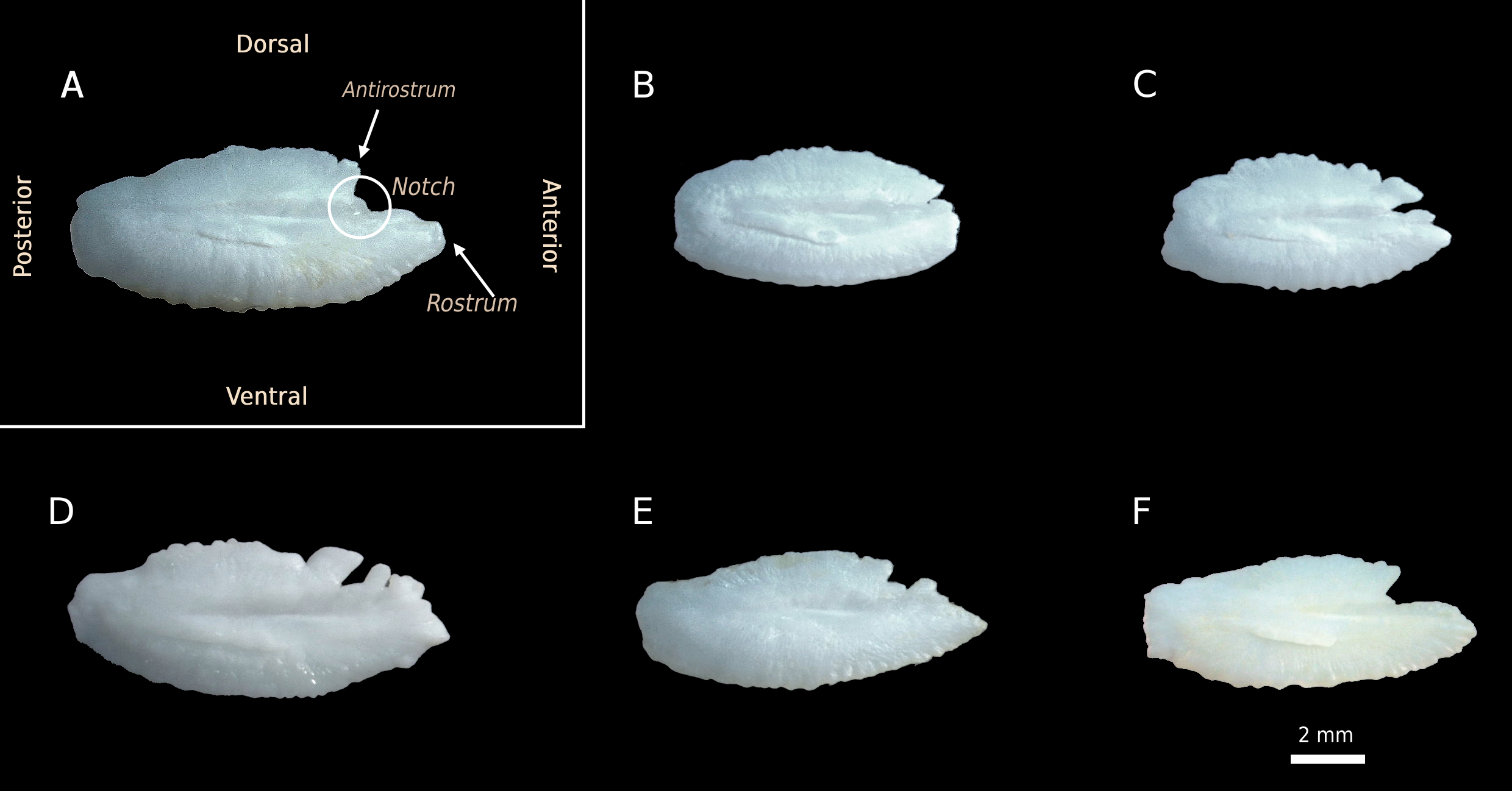
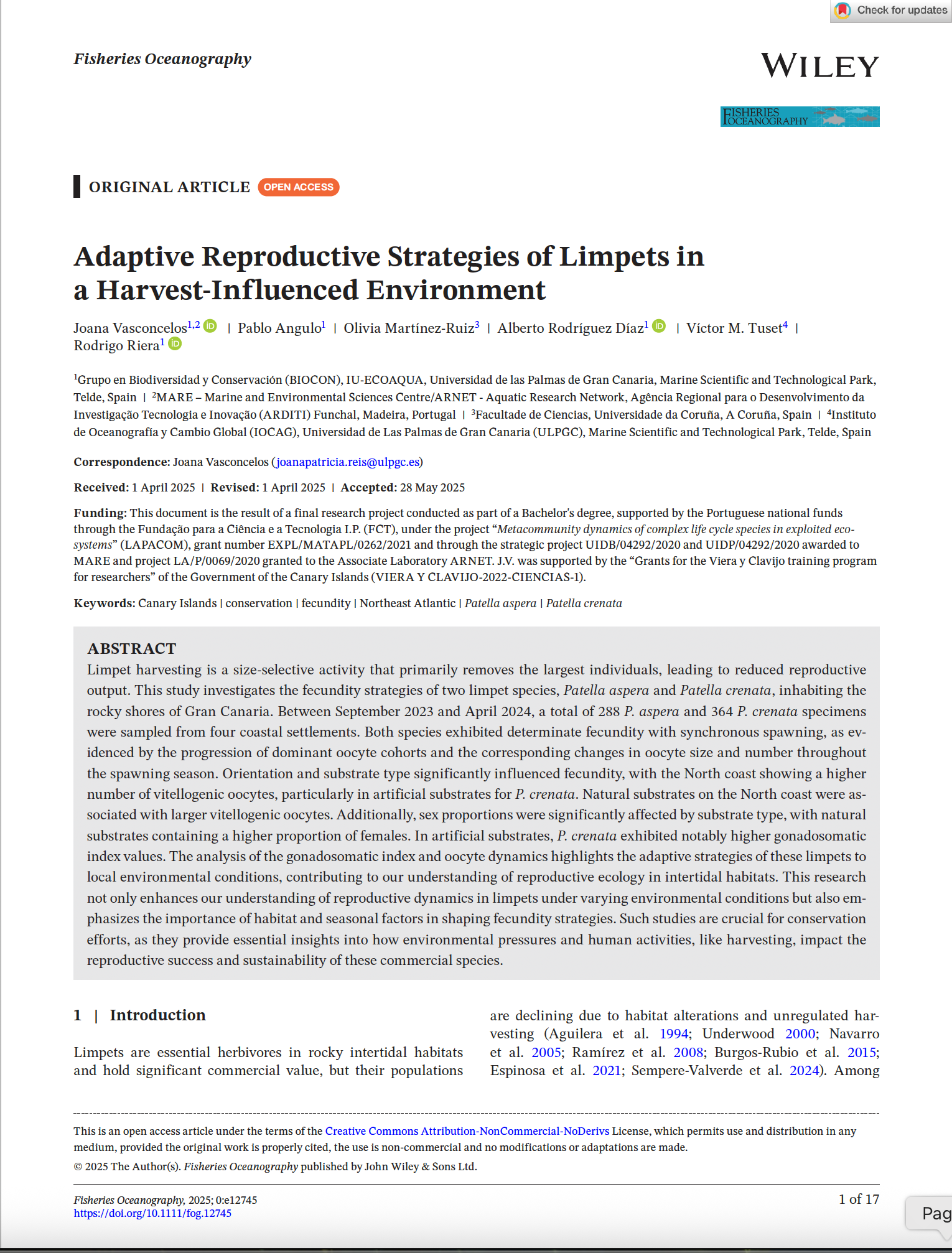
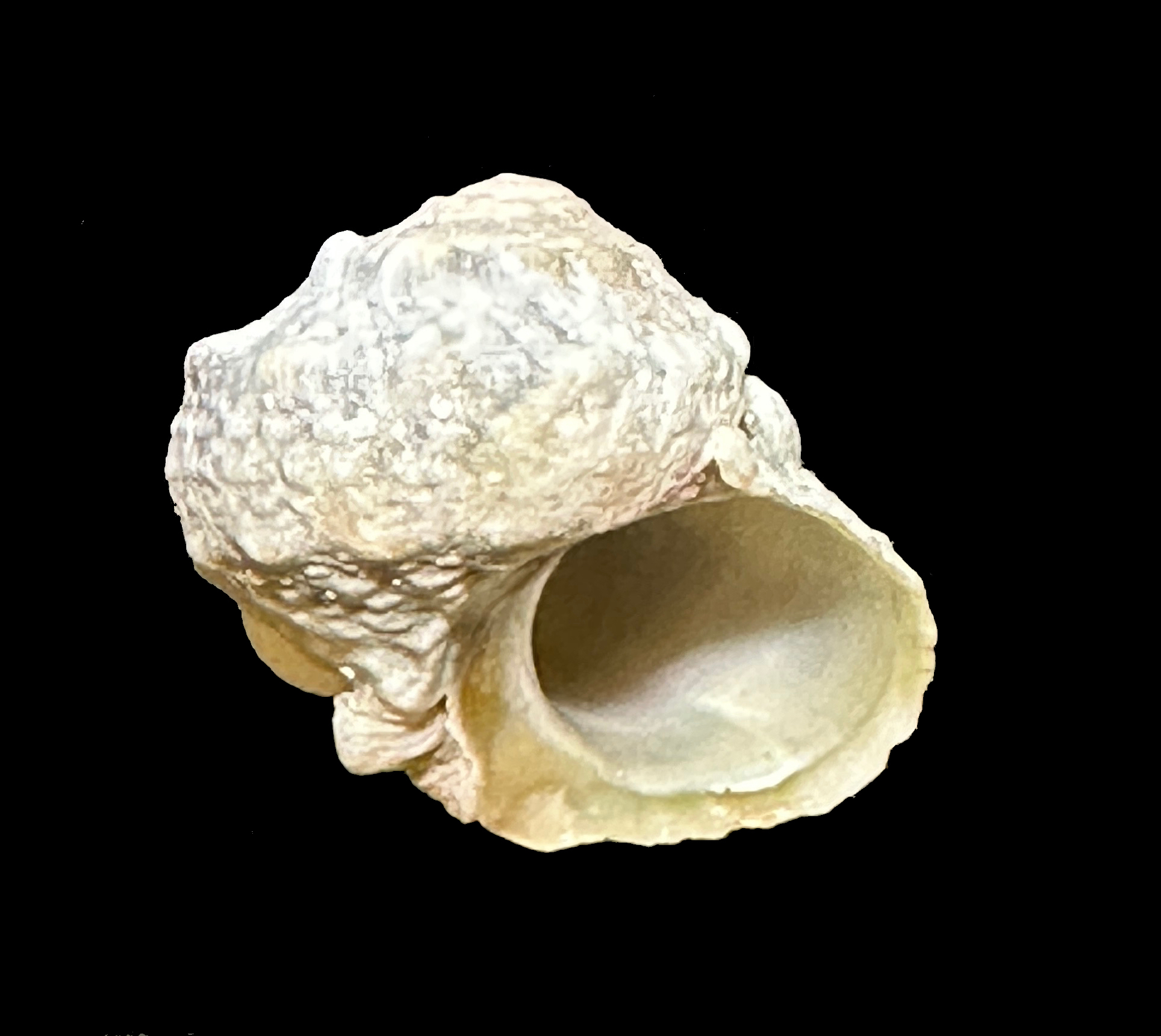
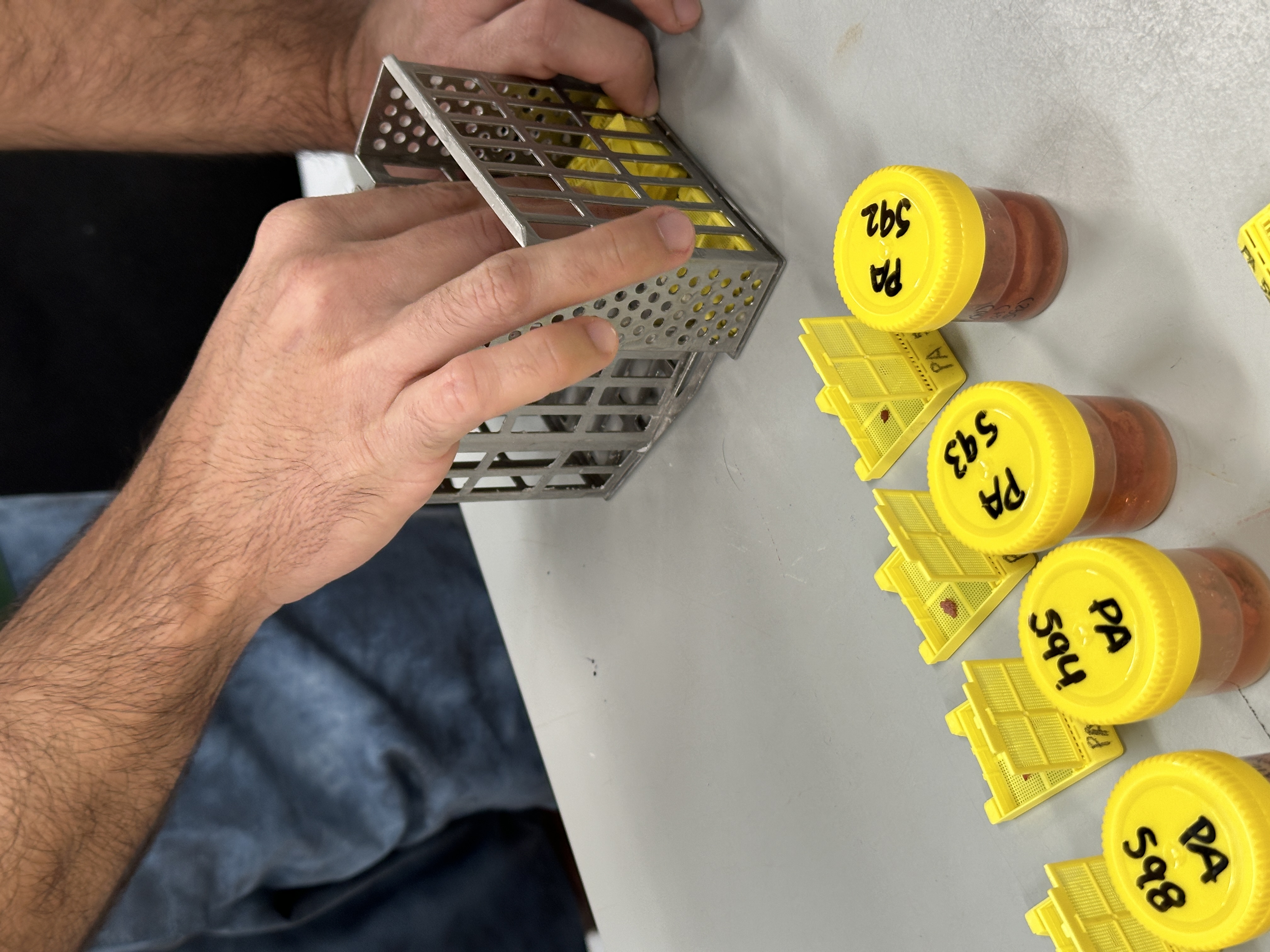
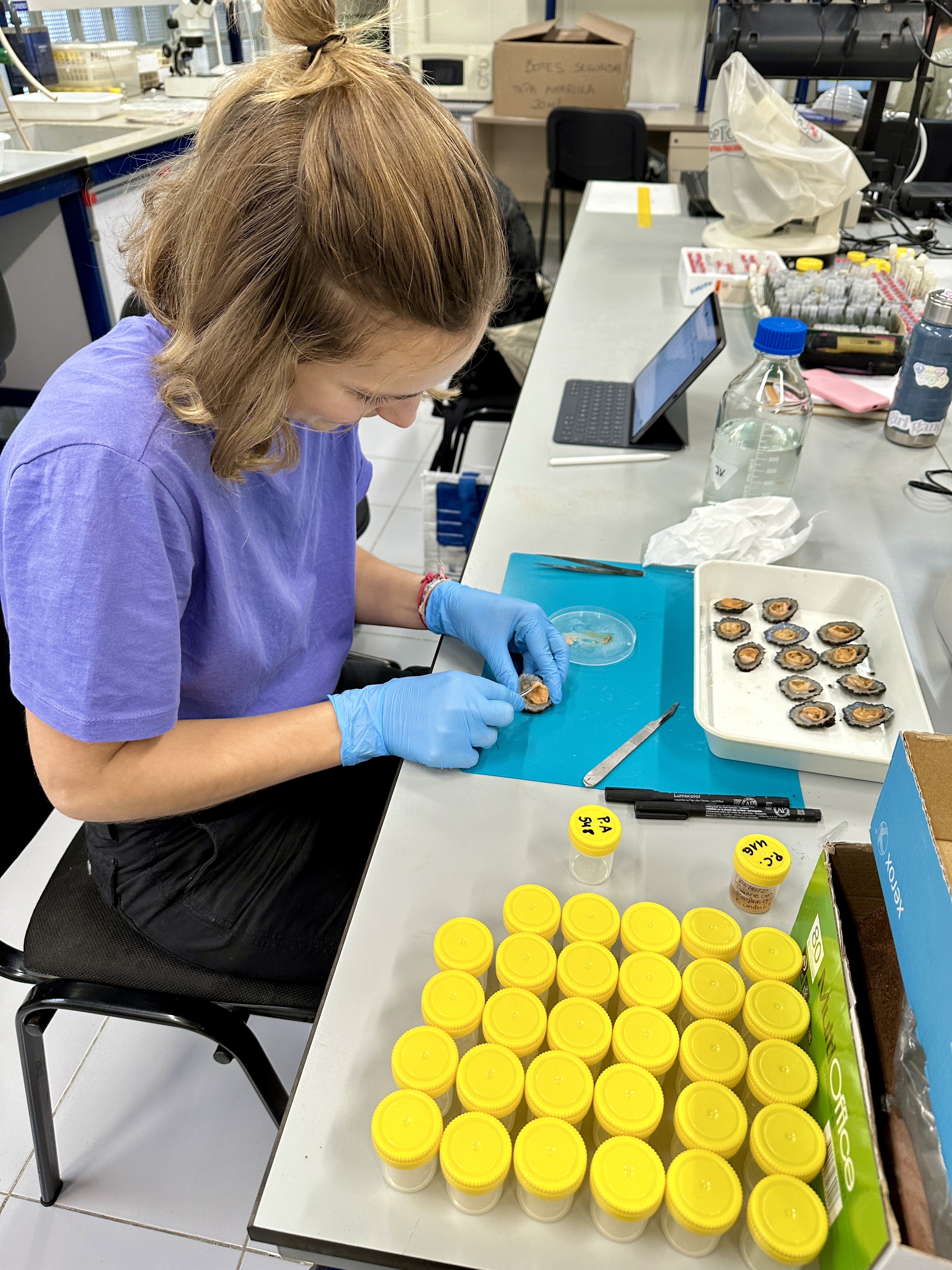
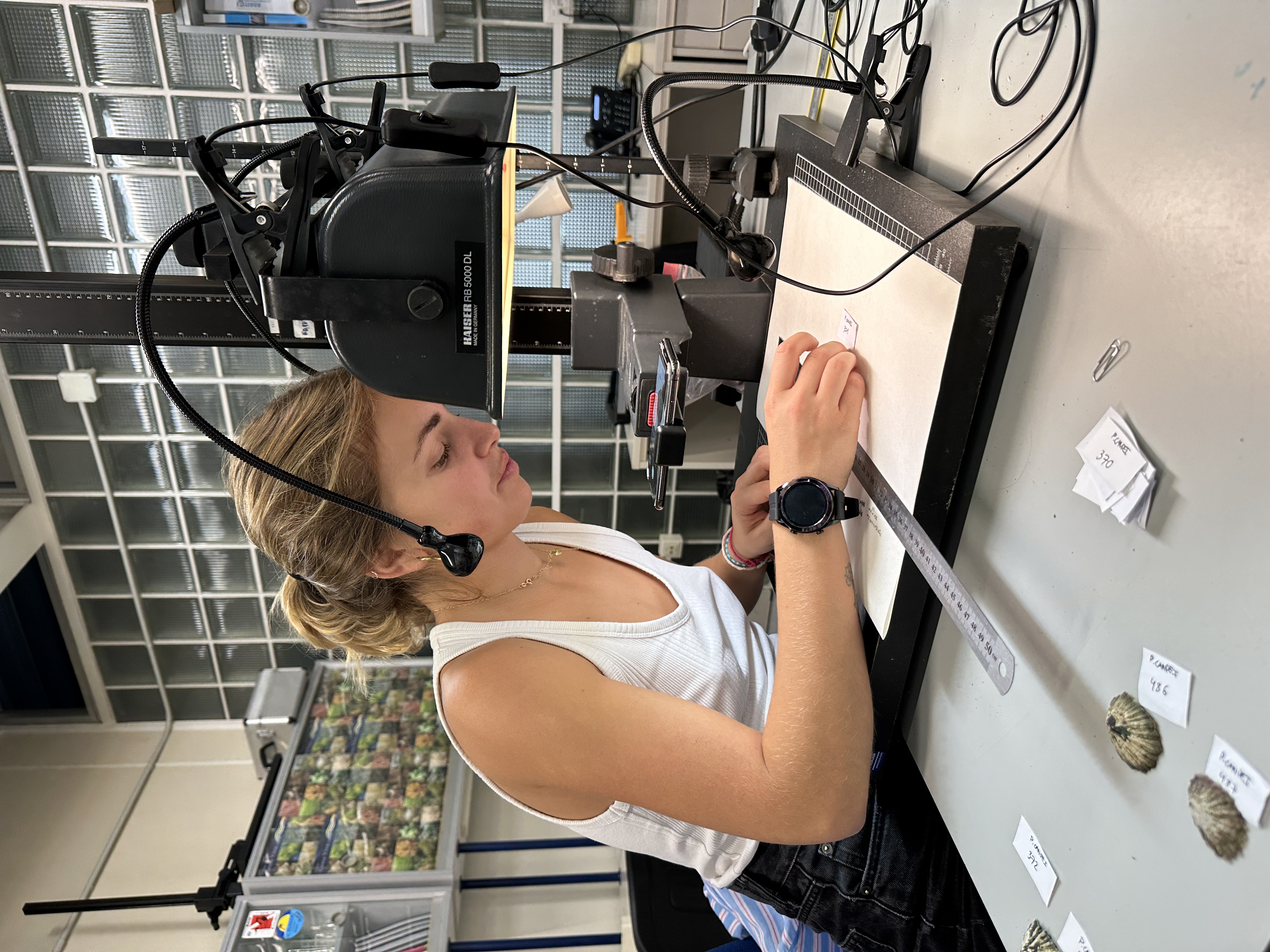
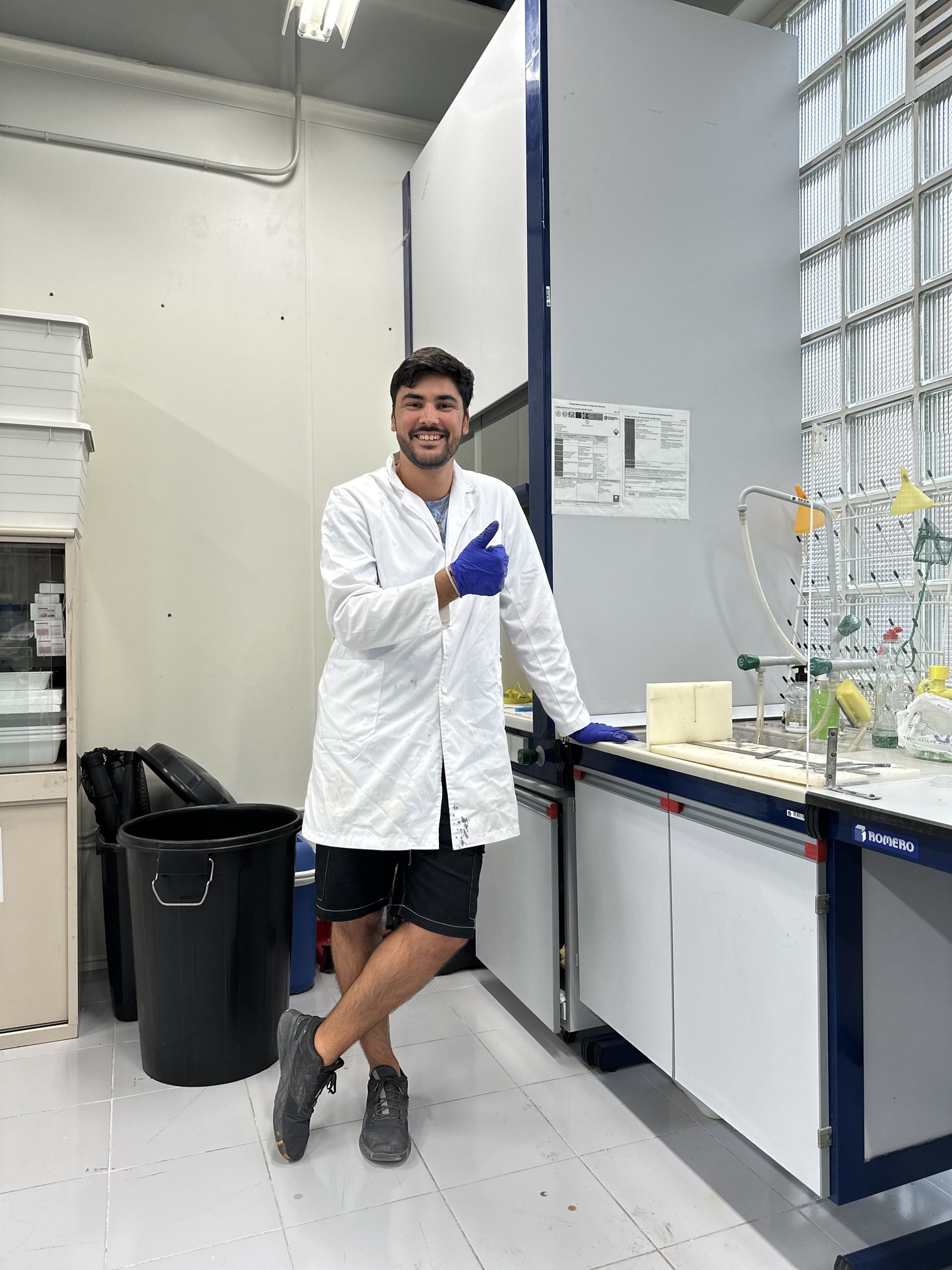
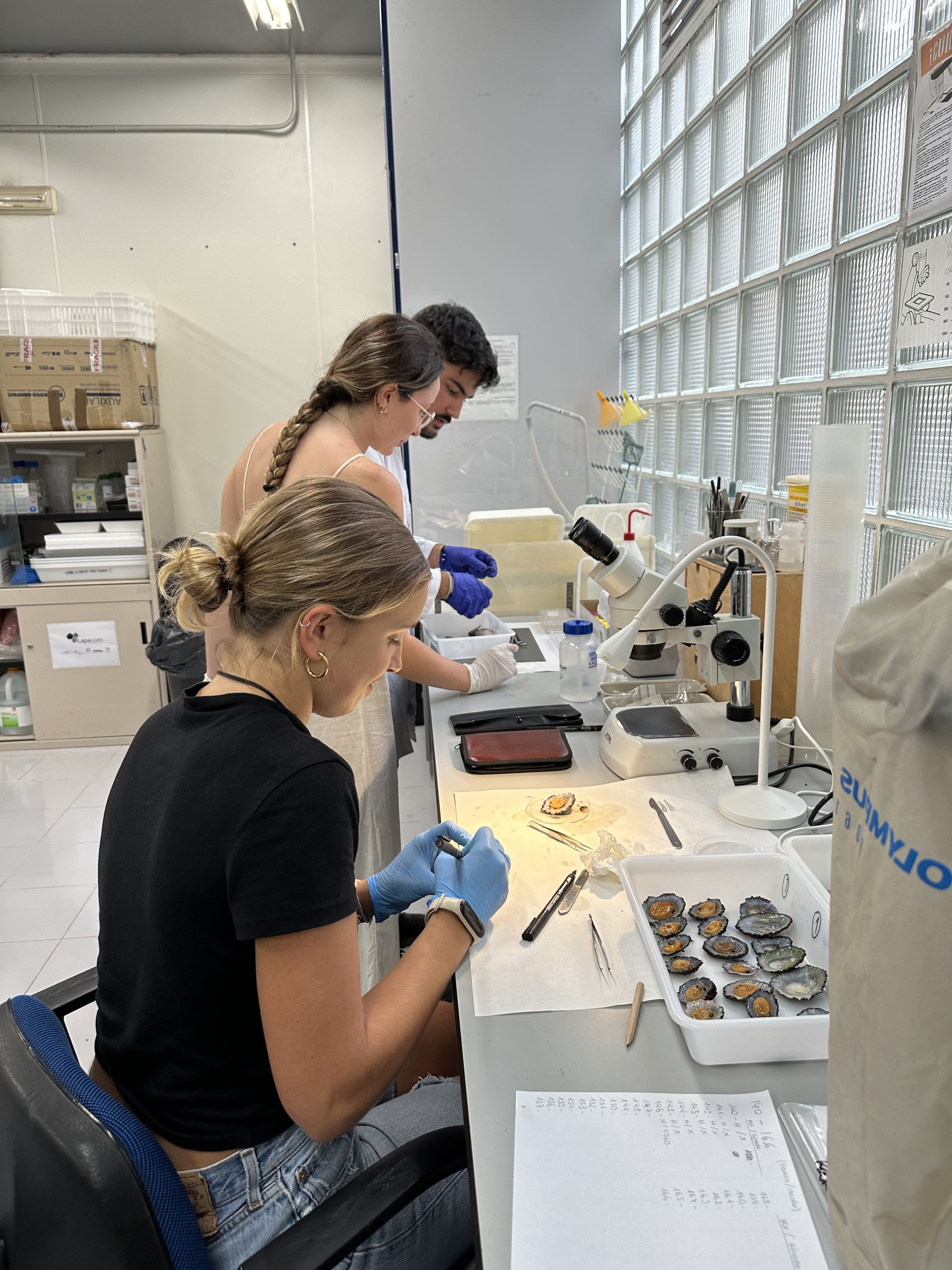
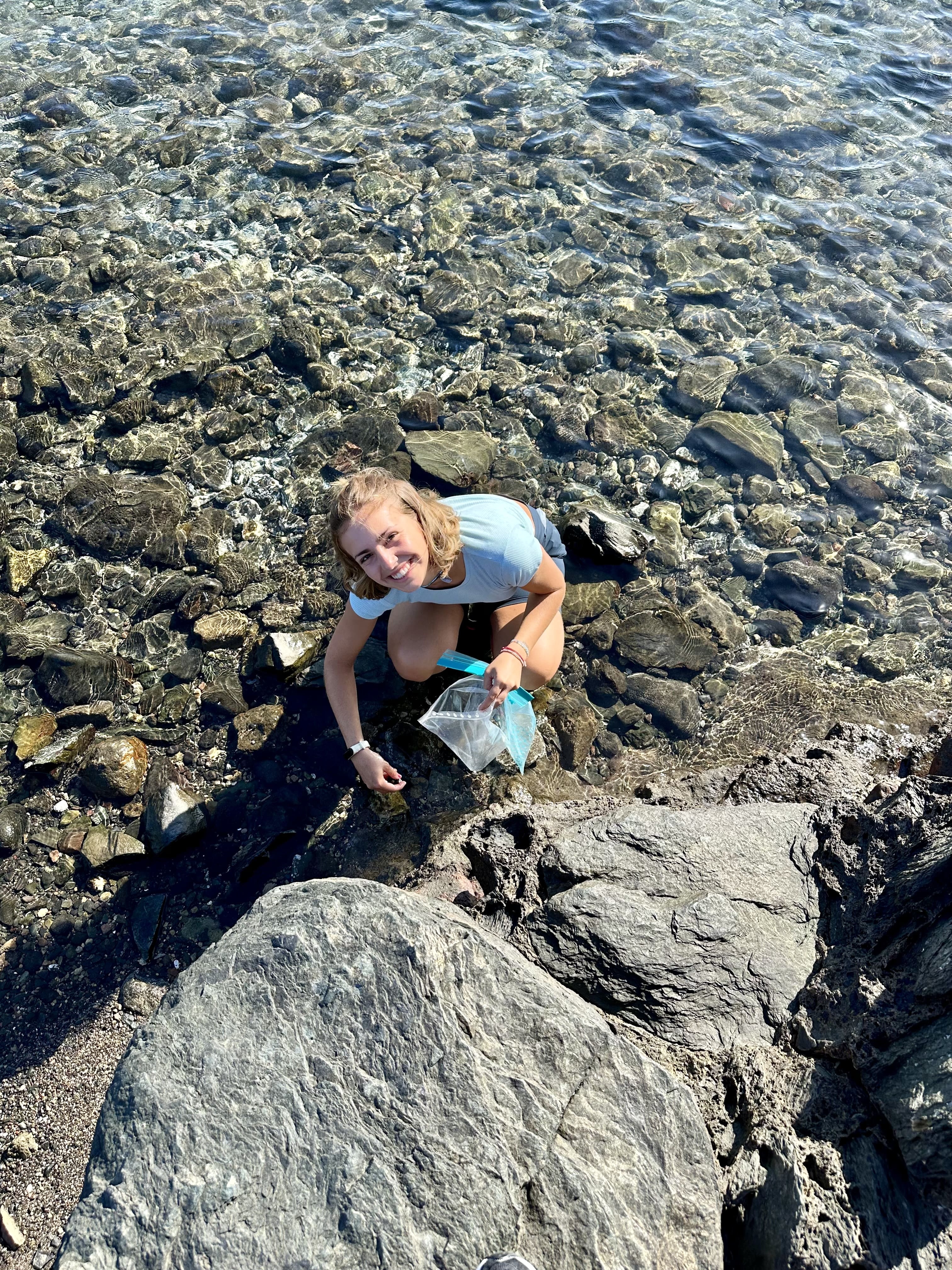
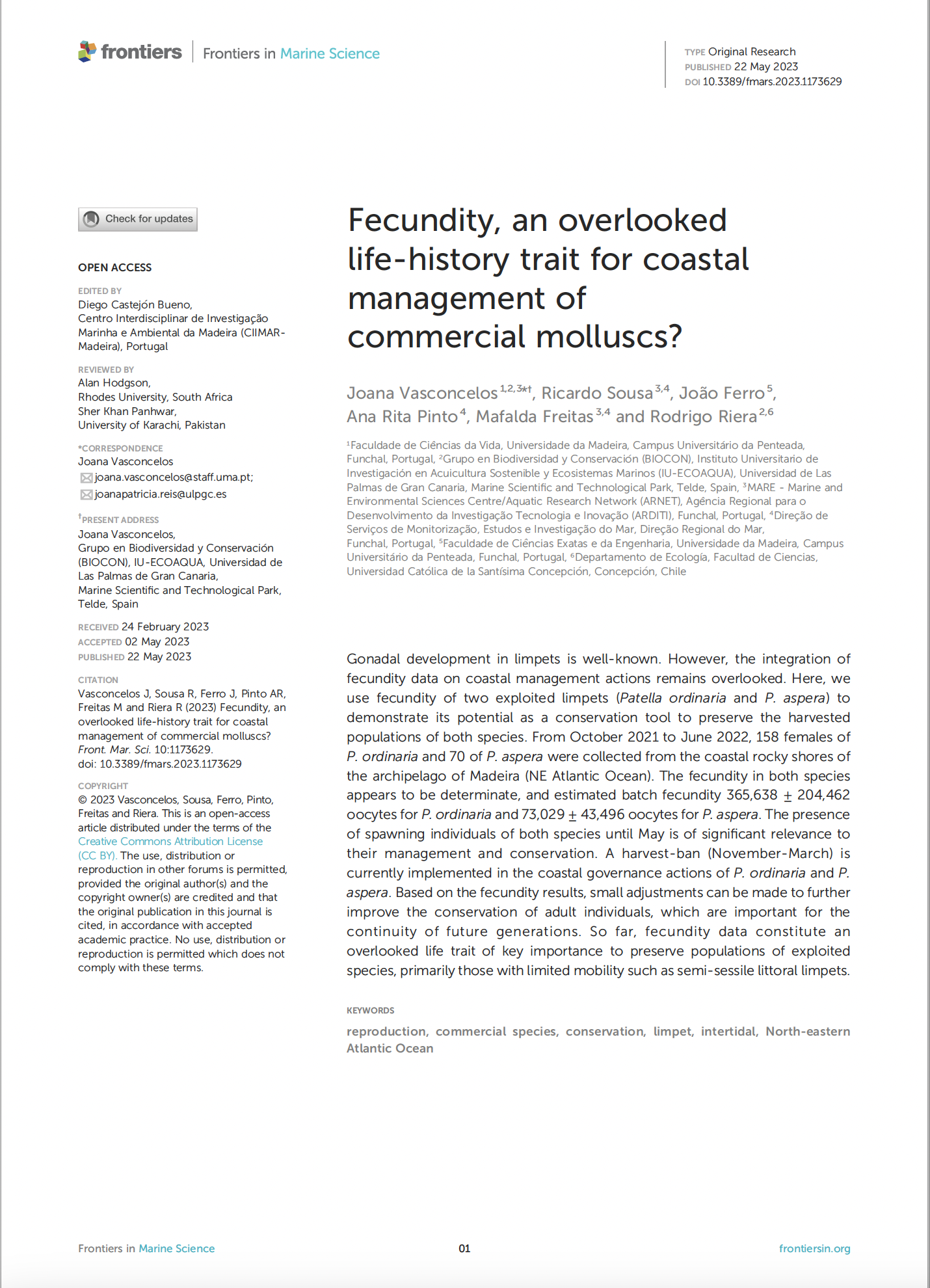
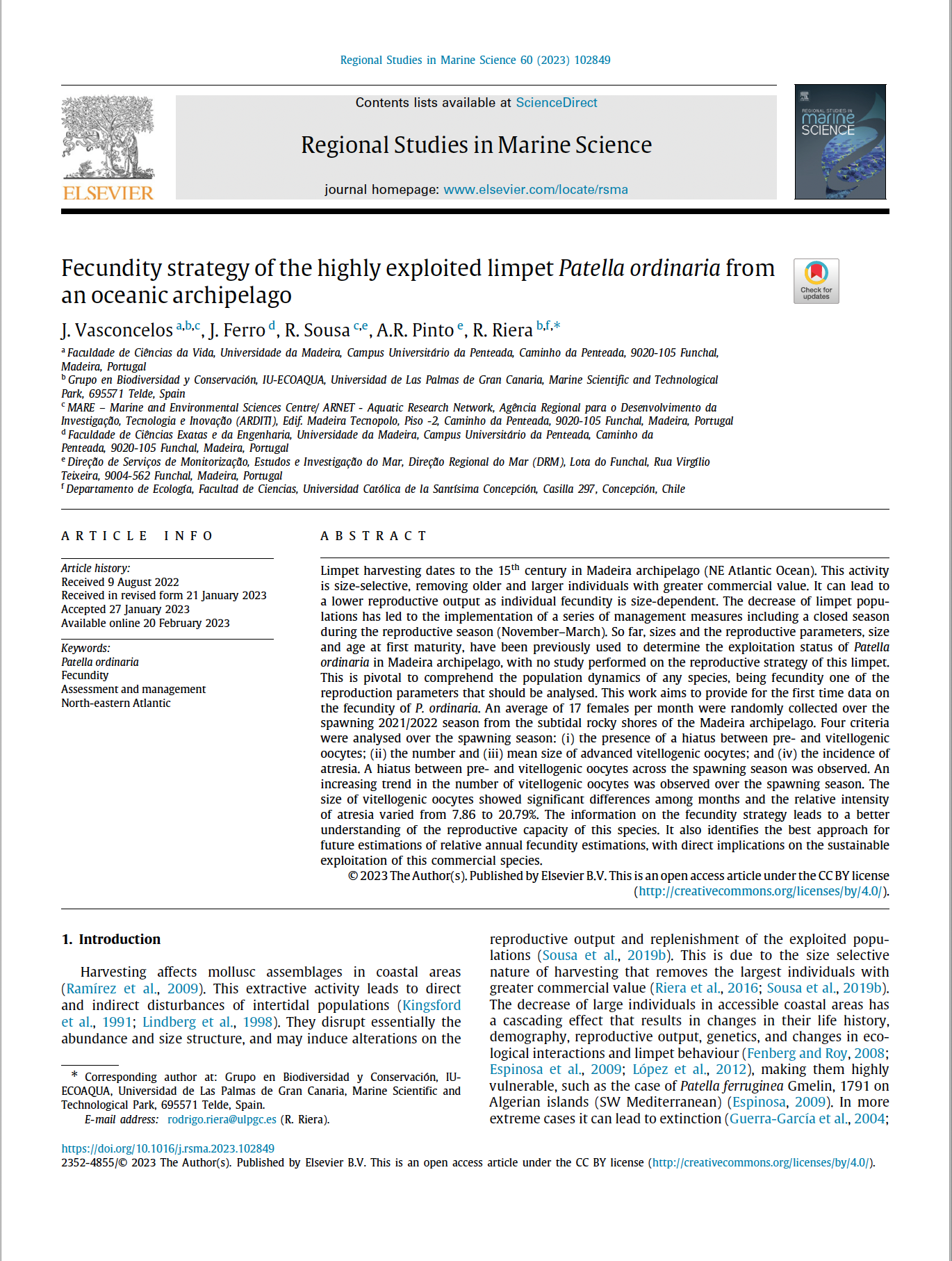
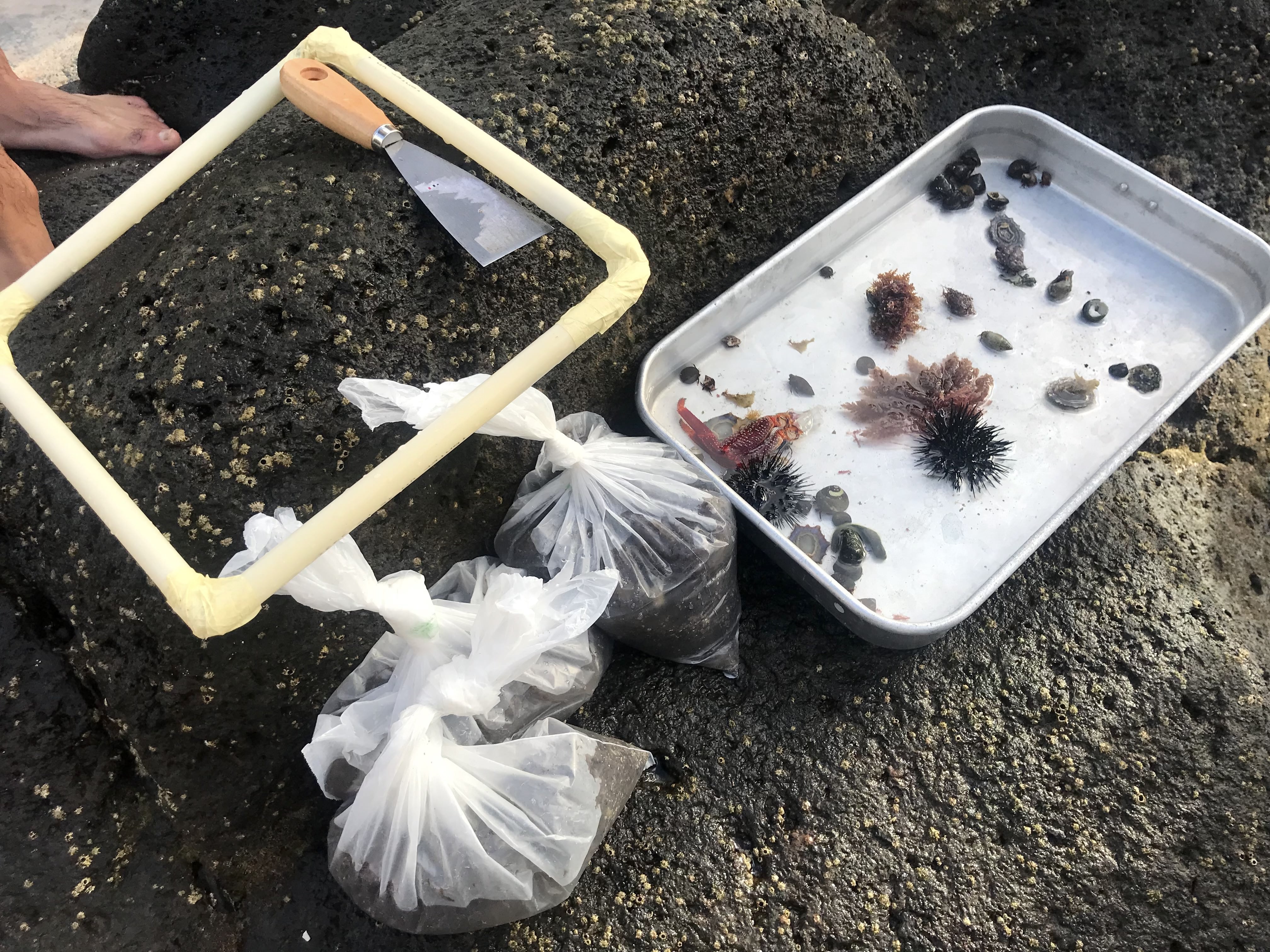

Our new paper, Global Drivers of Size Variation in Patellid Limpets and Their Implications for Marine Protection and Conservation, is now available online.
This study explores how limpet size varies across broad geographic and environmental contexts, and why these patterns matter for understanding intertidal ecosystems, harvesting pressure, and marine conservation.
A small step for limpets, but an exciting contribution to global coastal ecology.
April 29, 2026
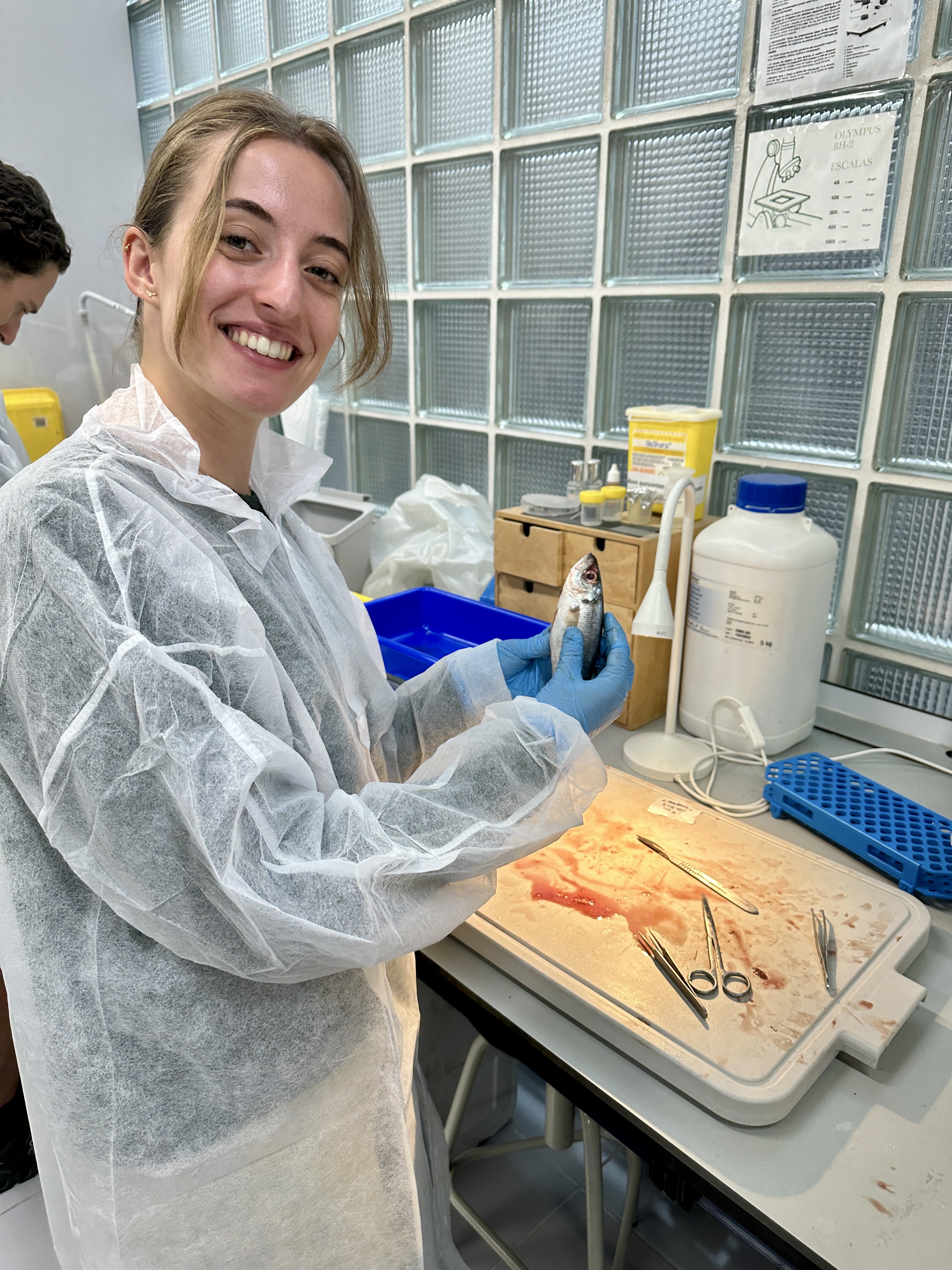
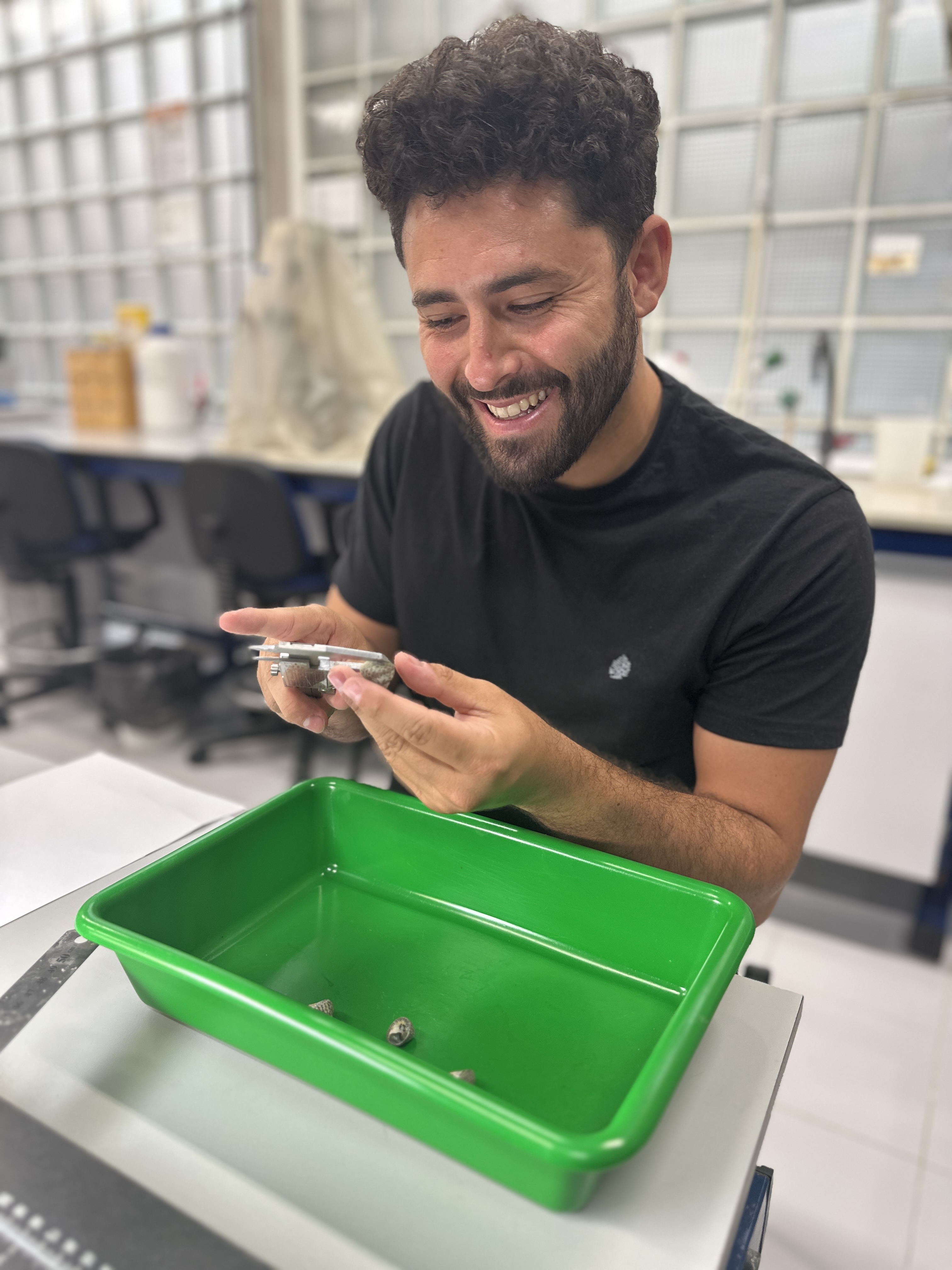
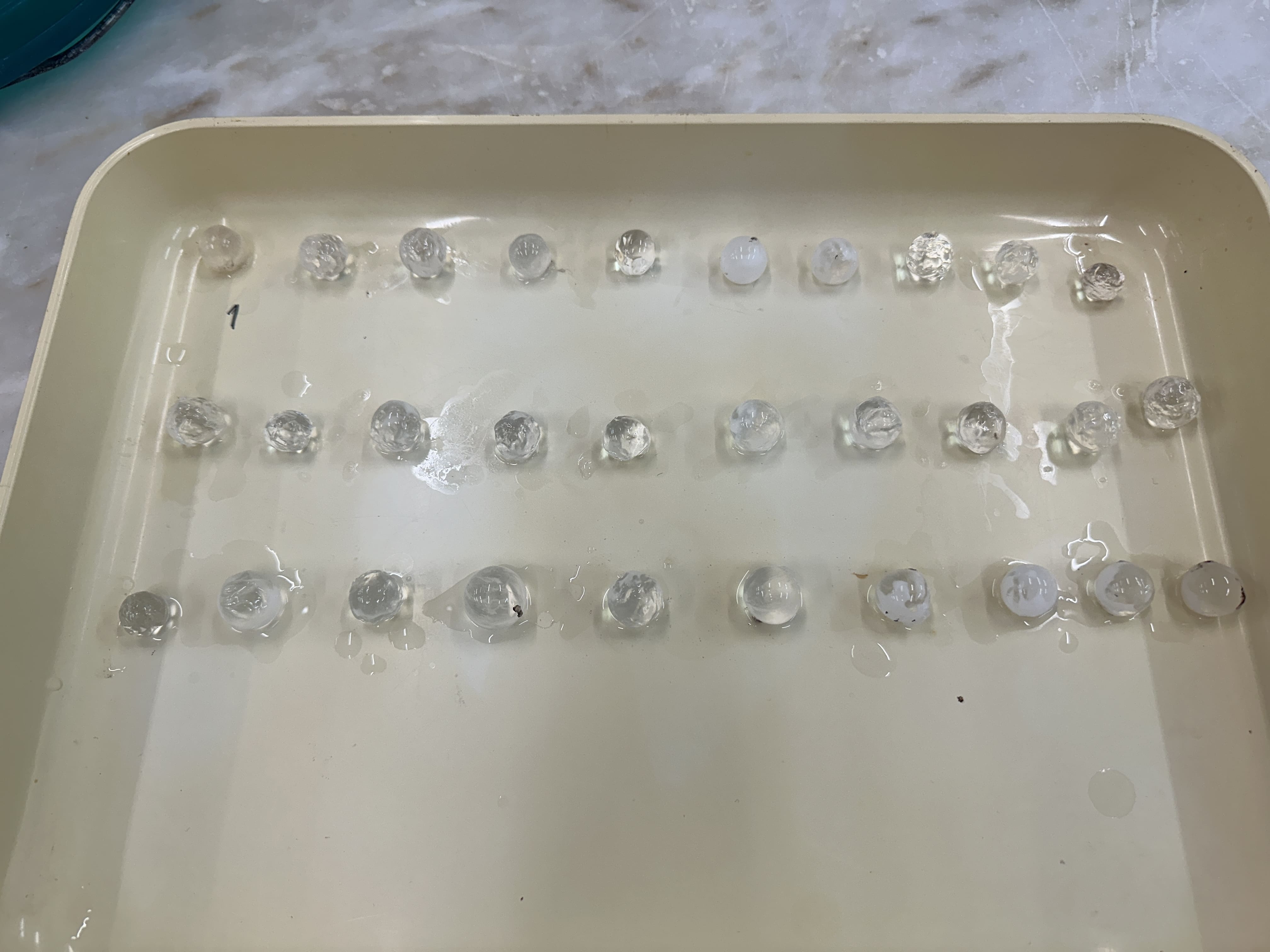
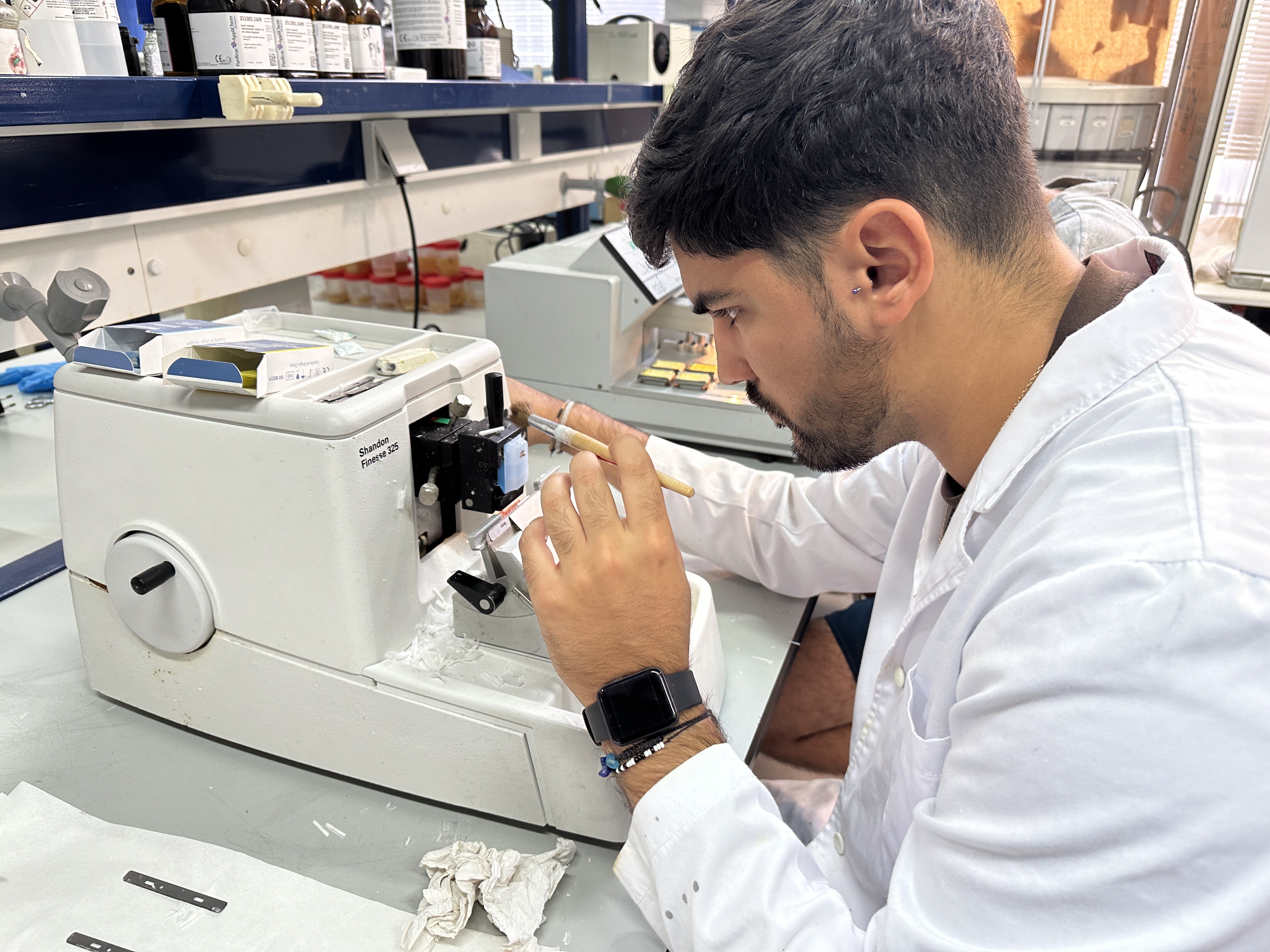
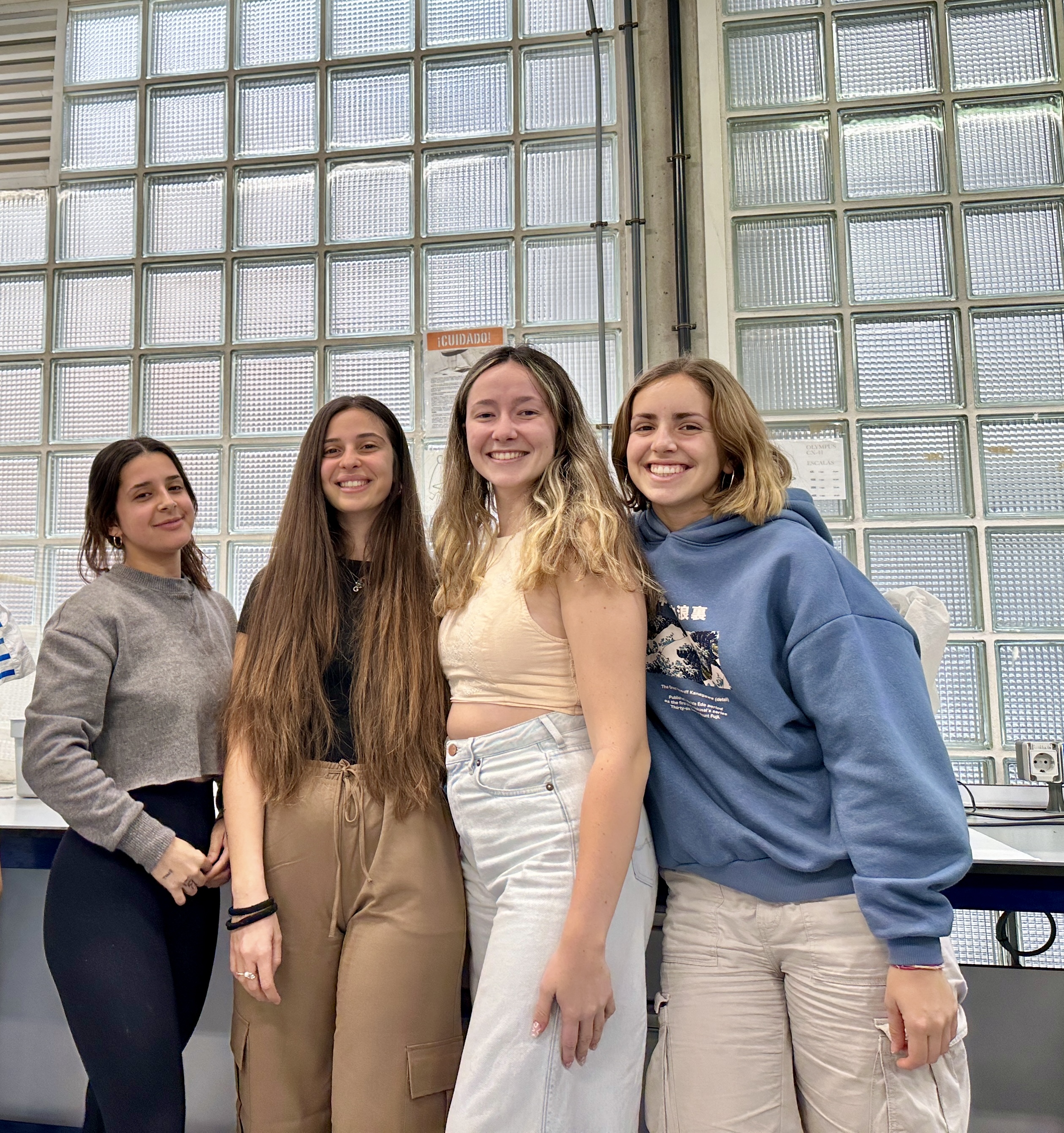
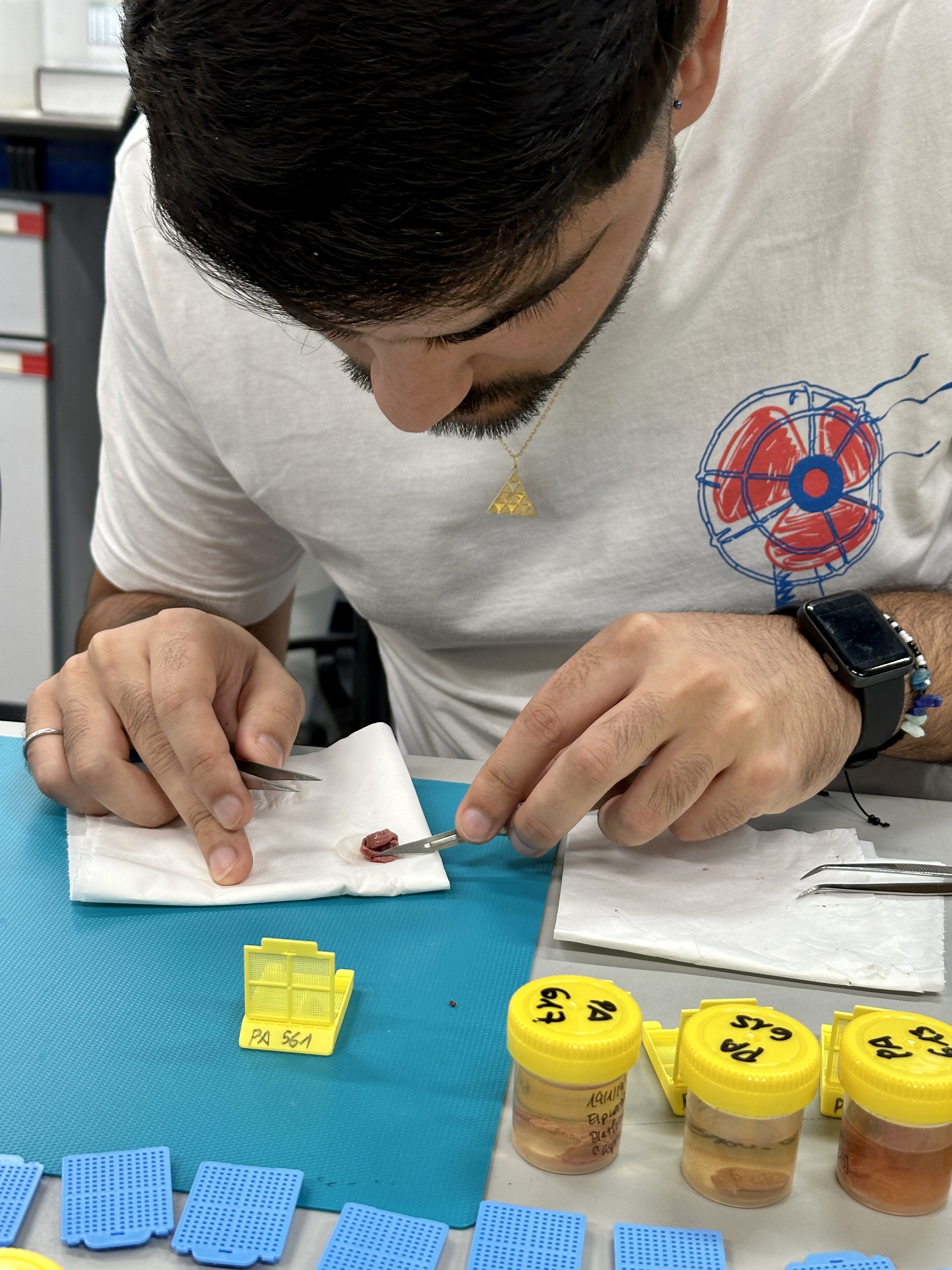
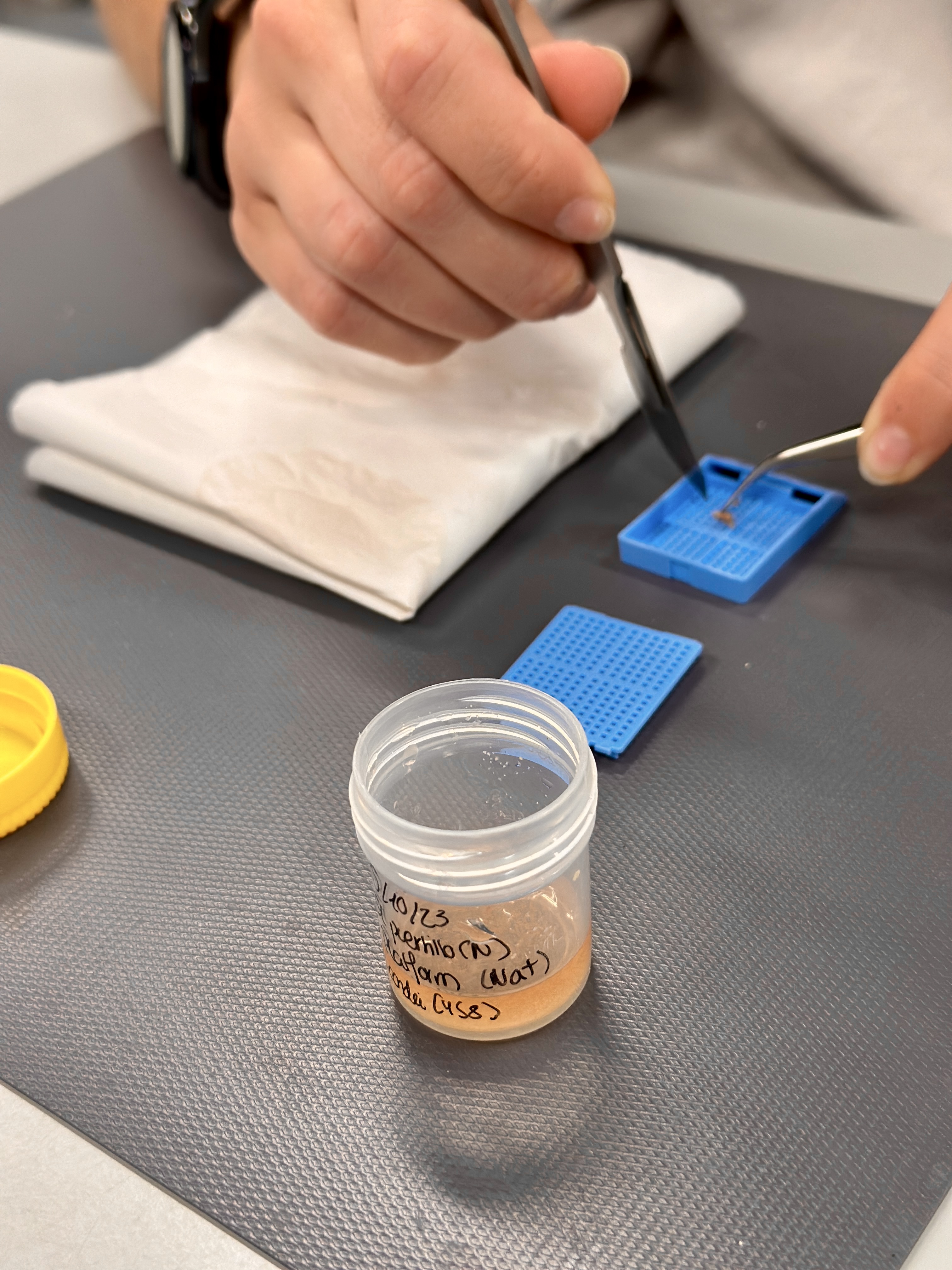
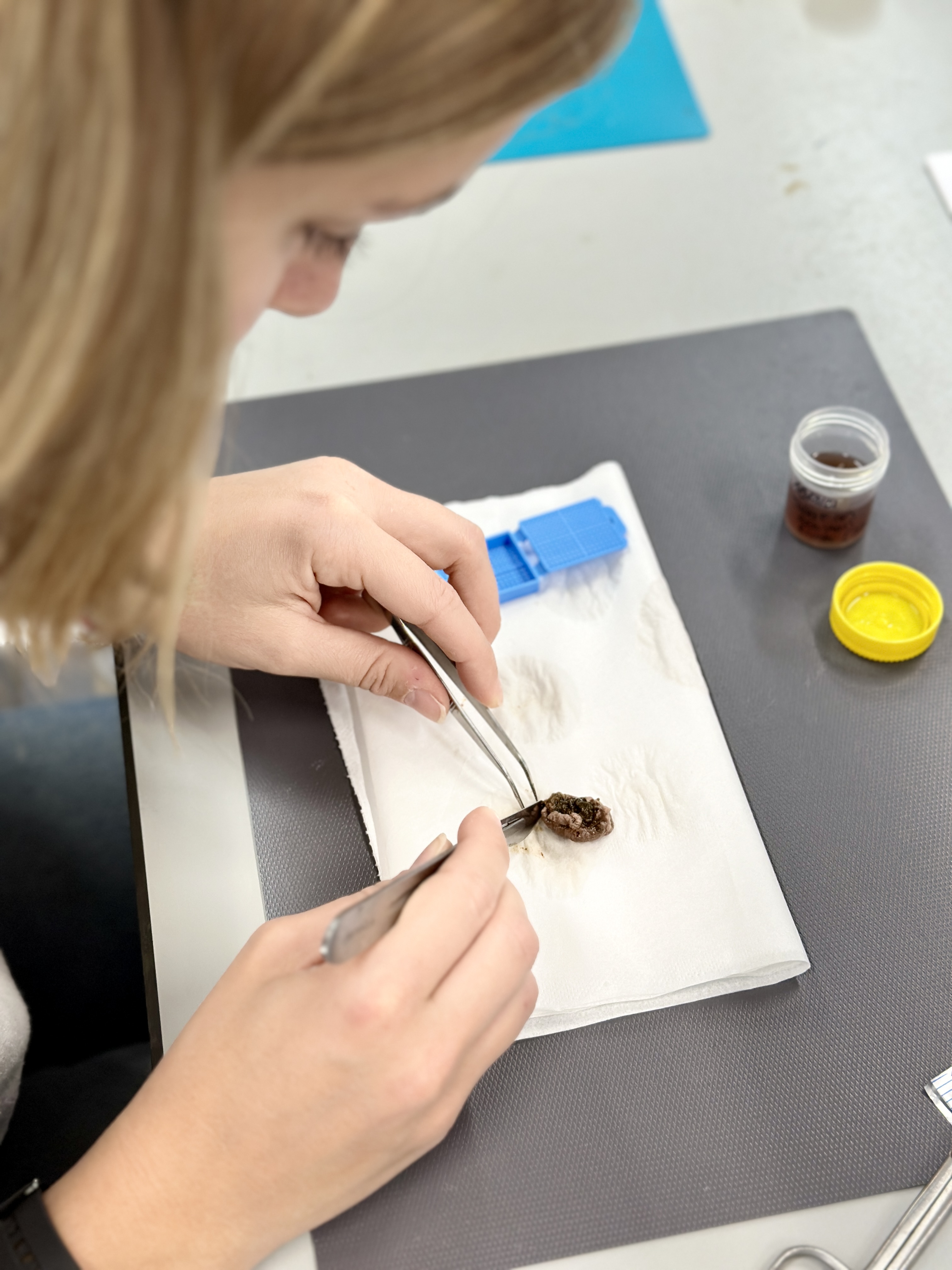
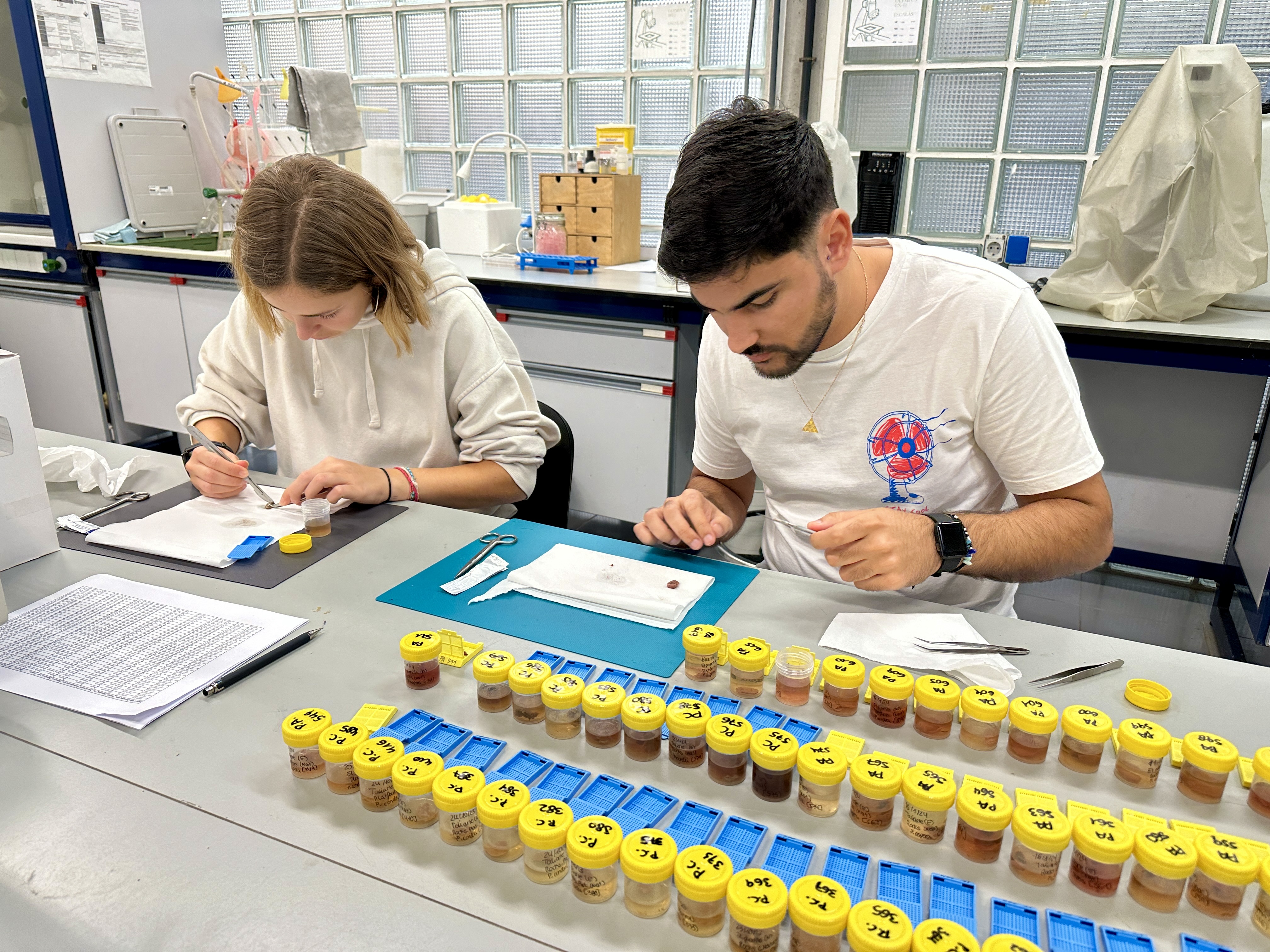
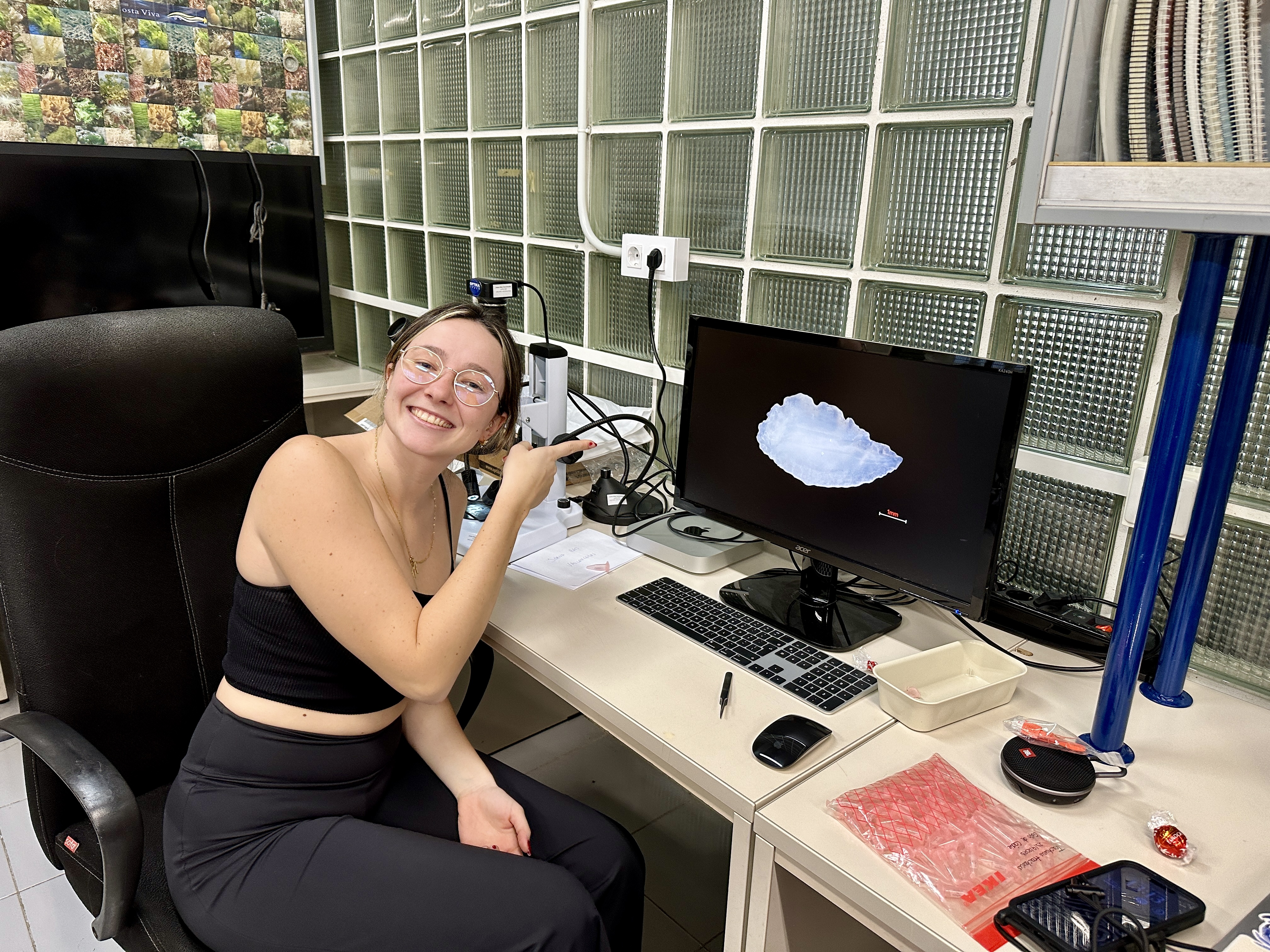
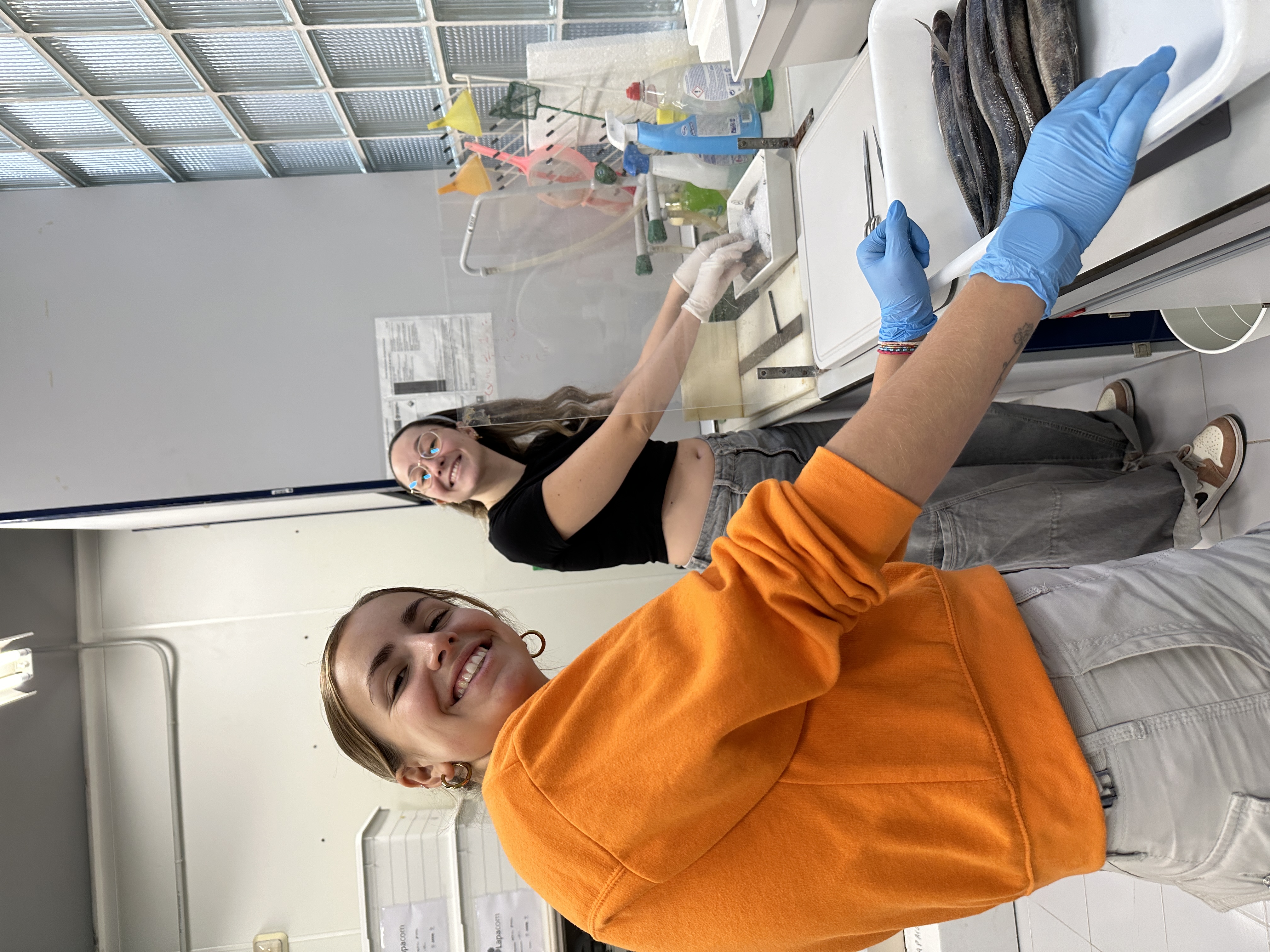
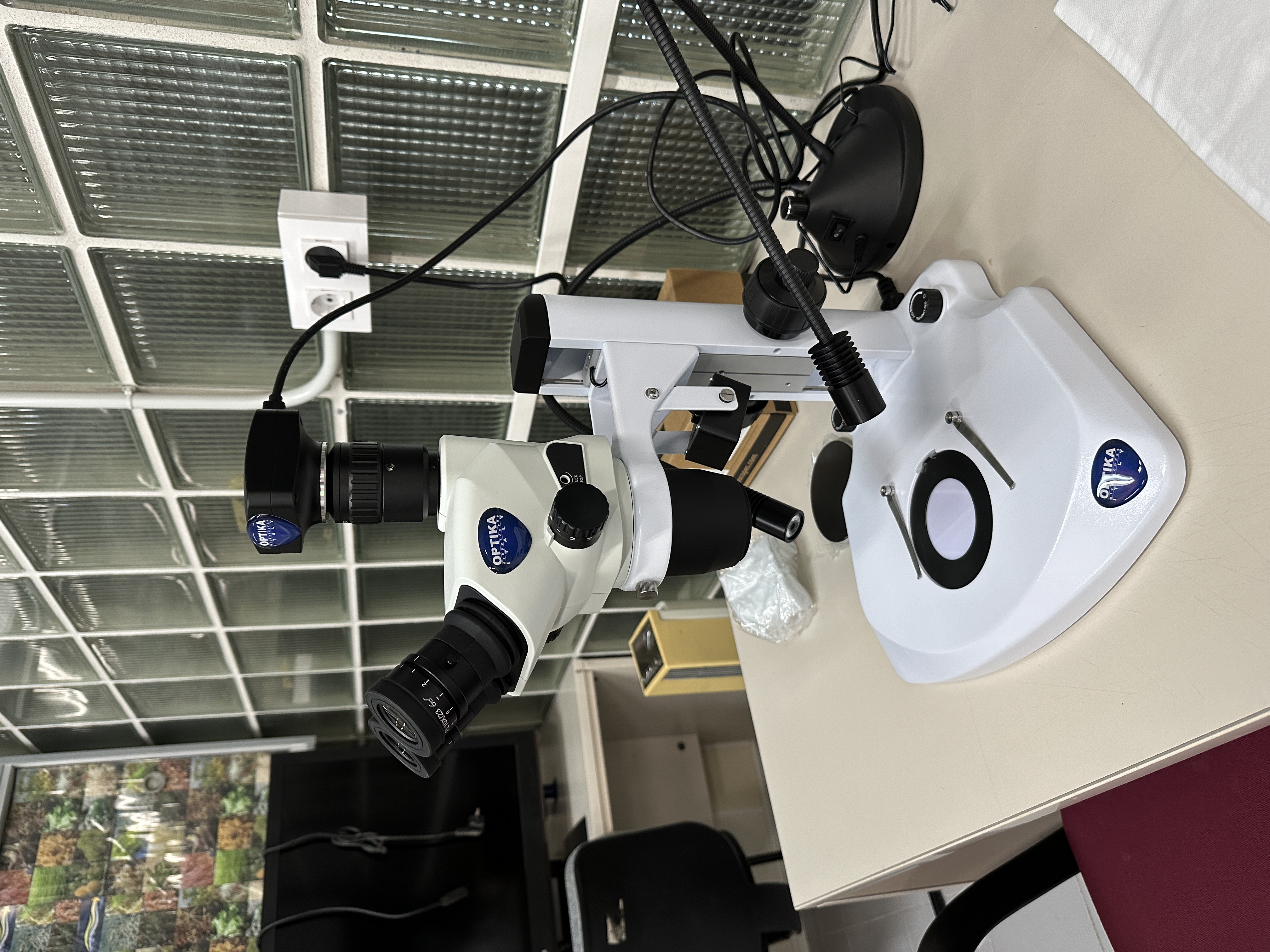
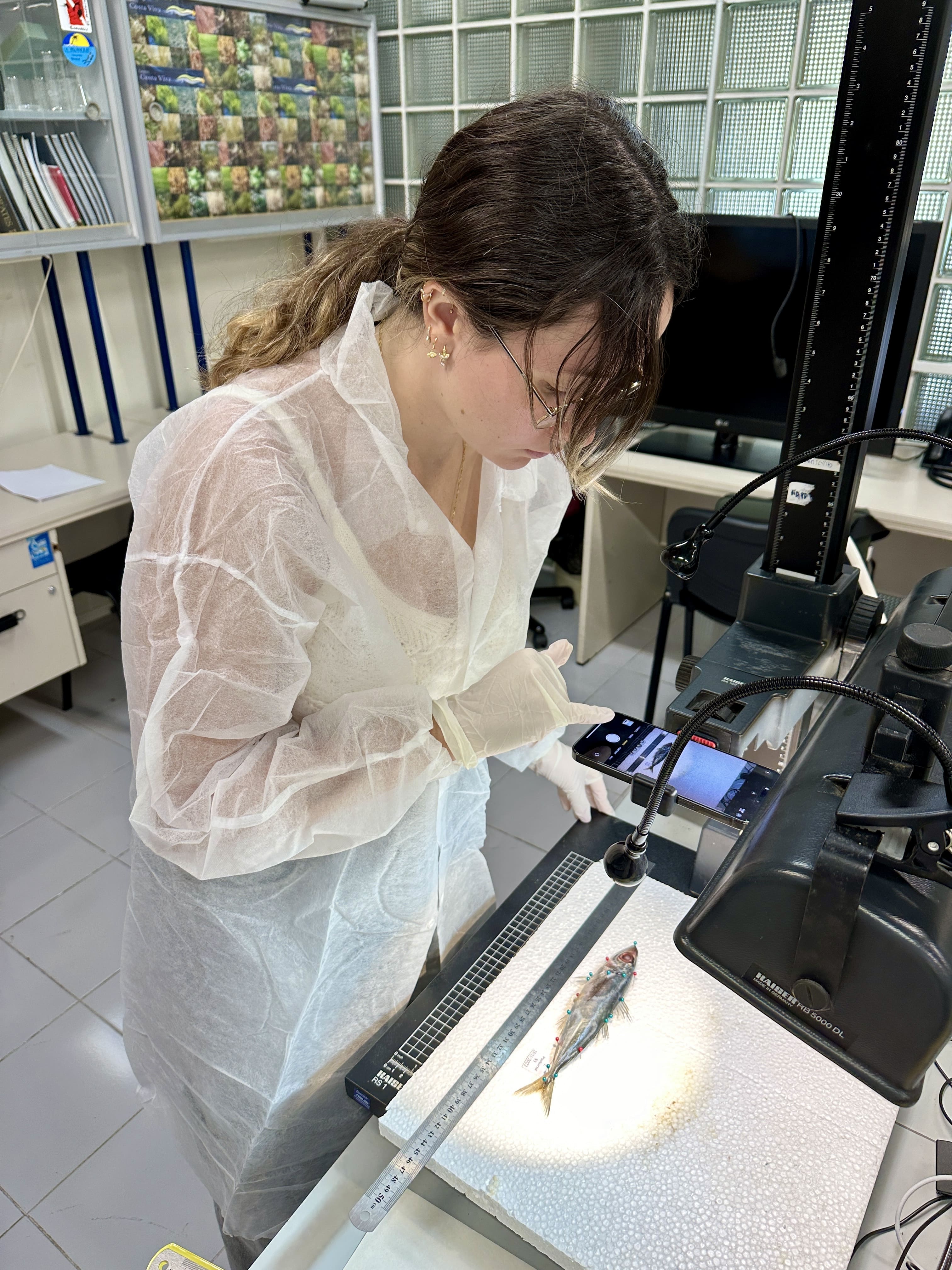
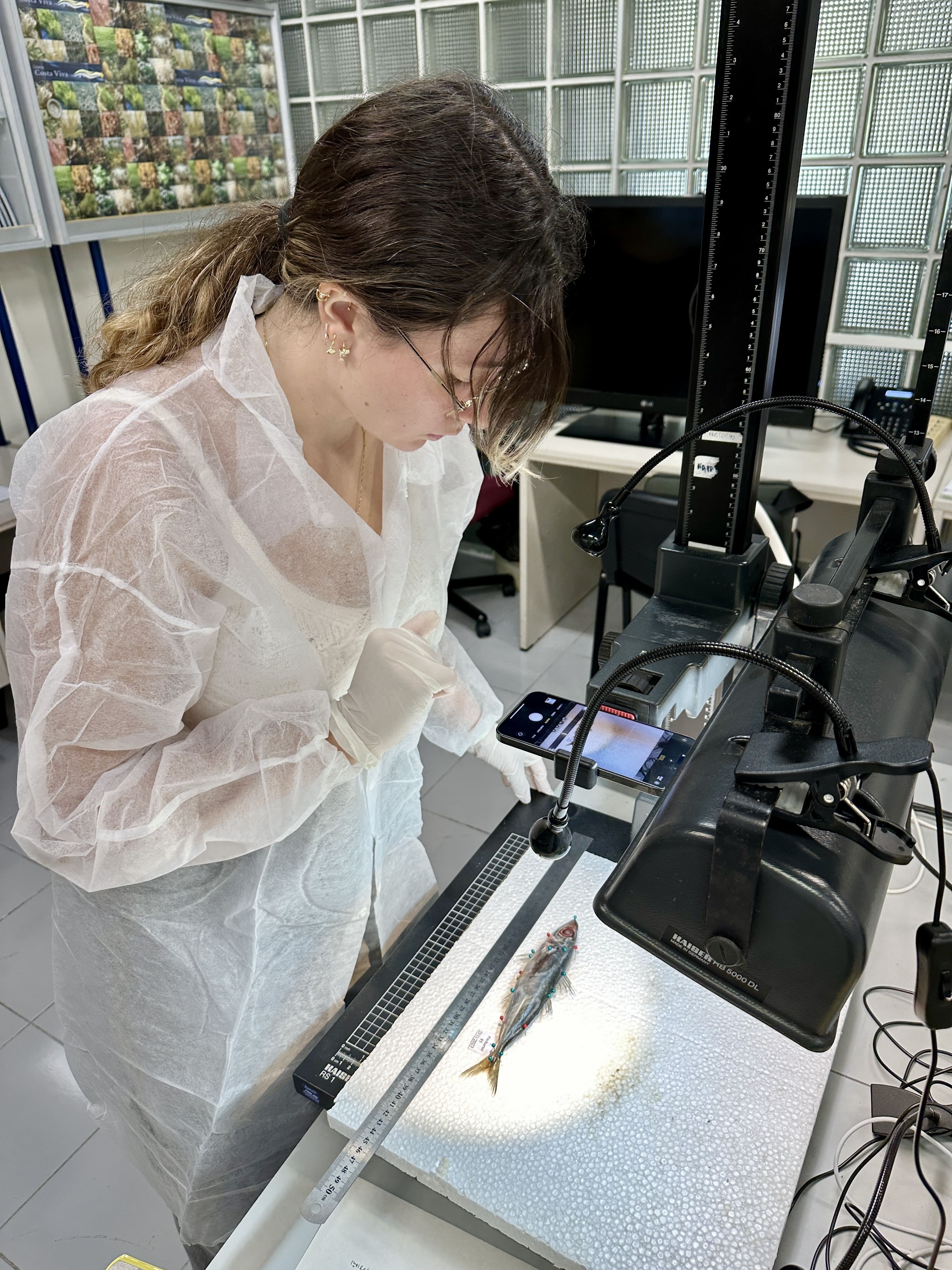
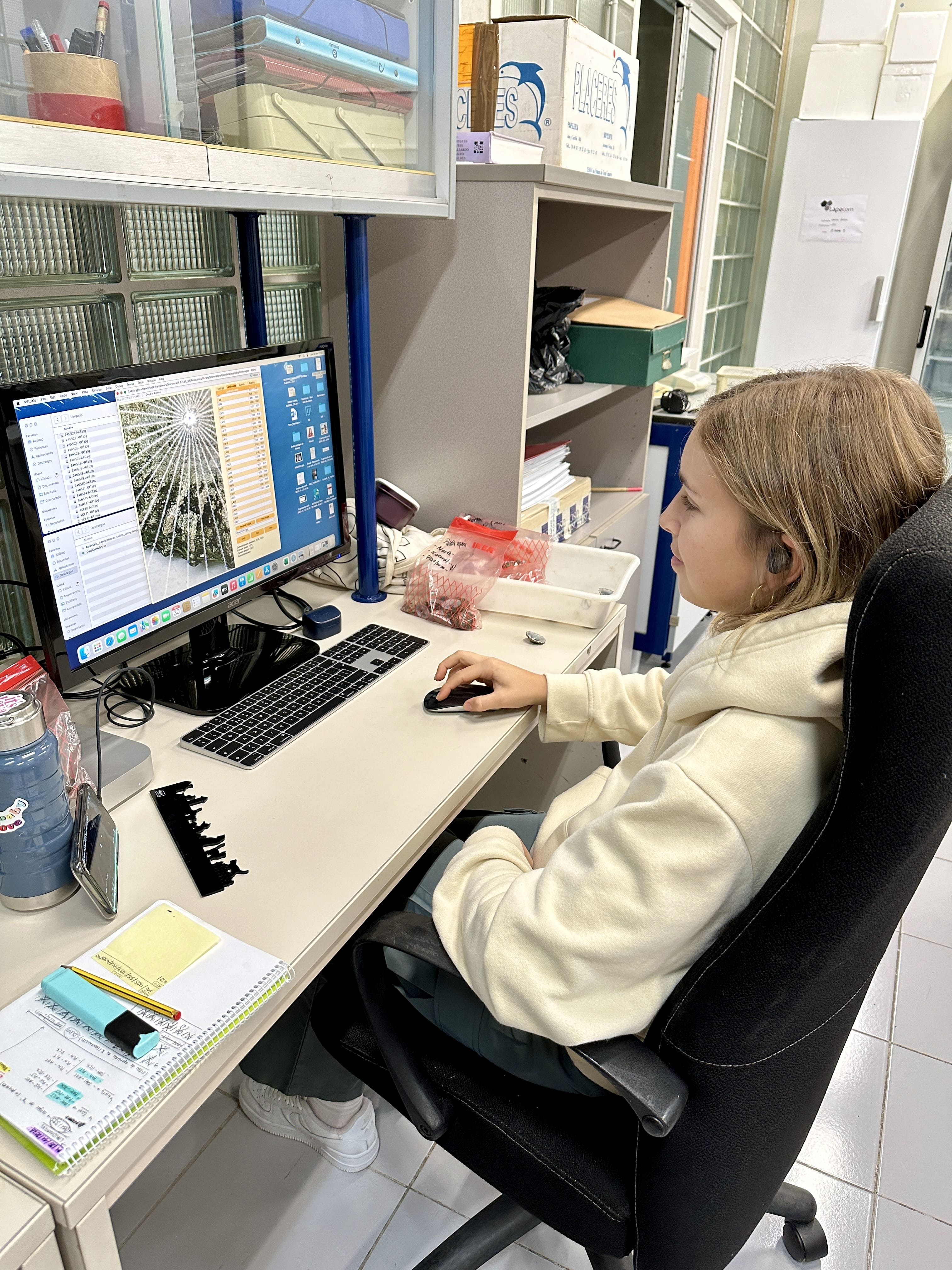
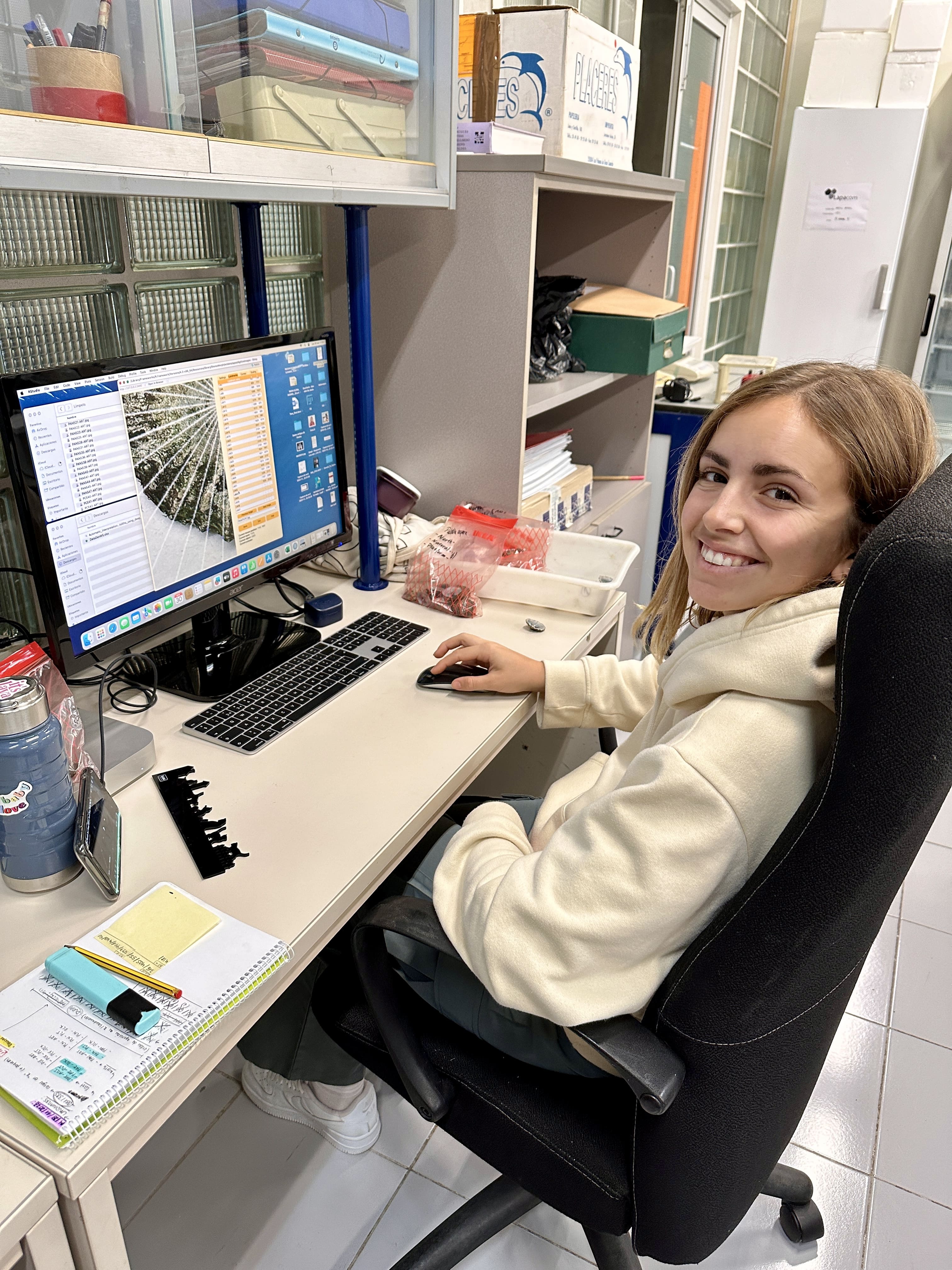
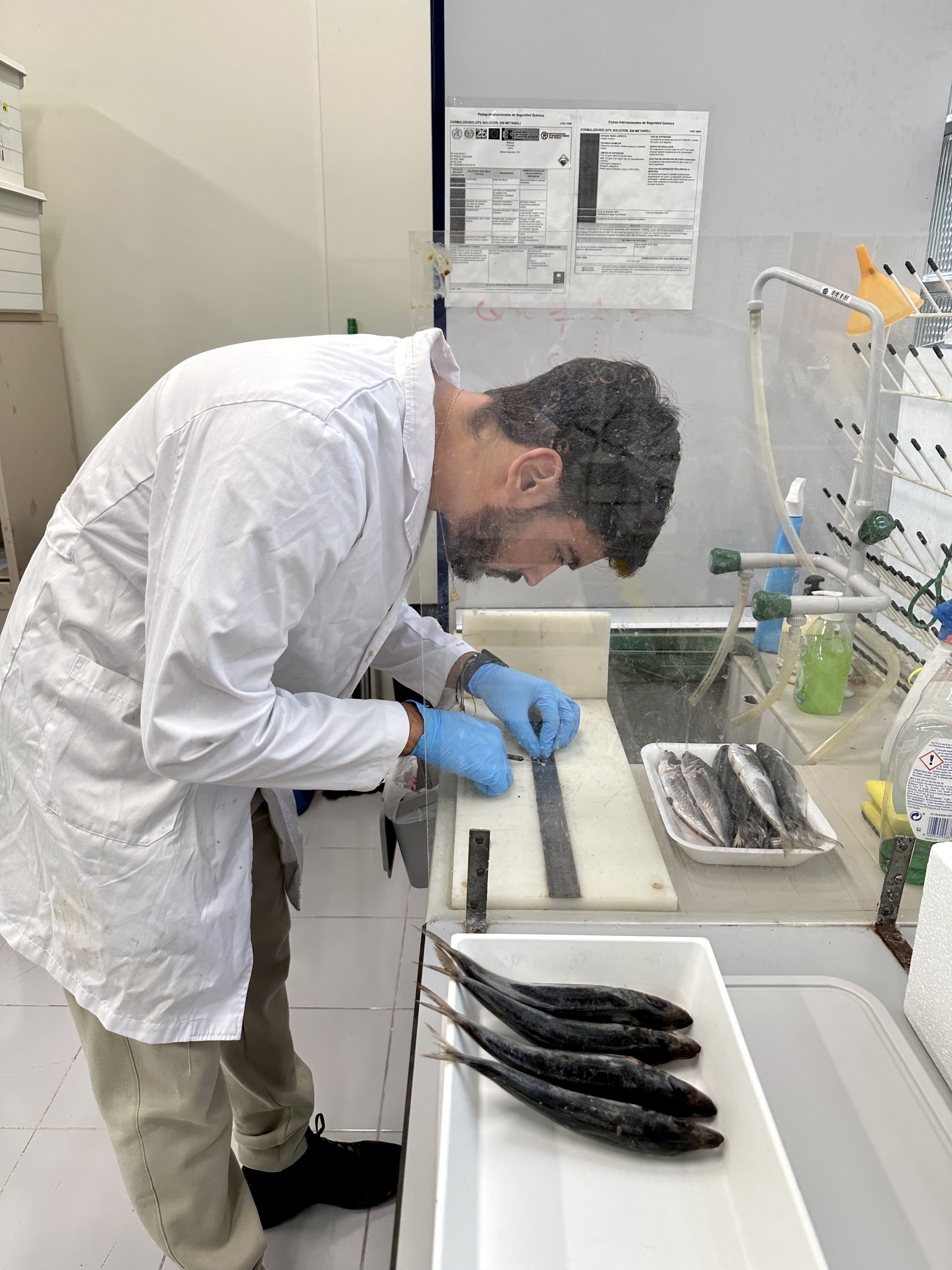
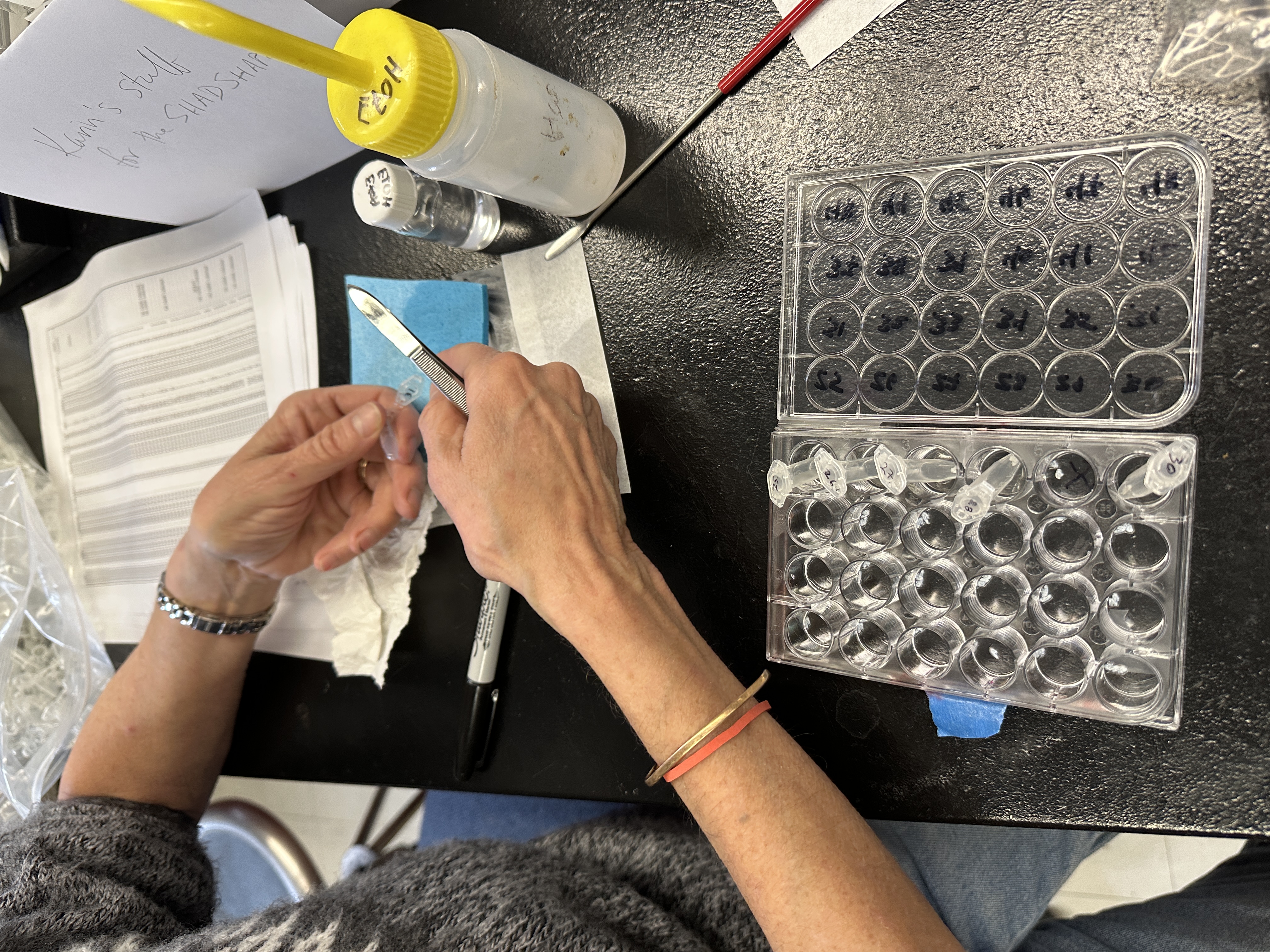
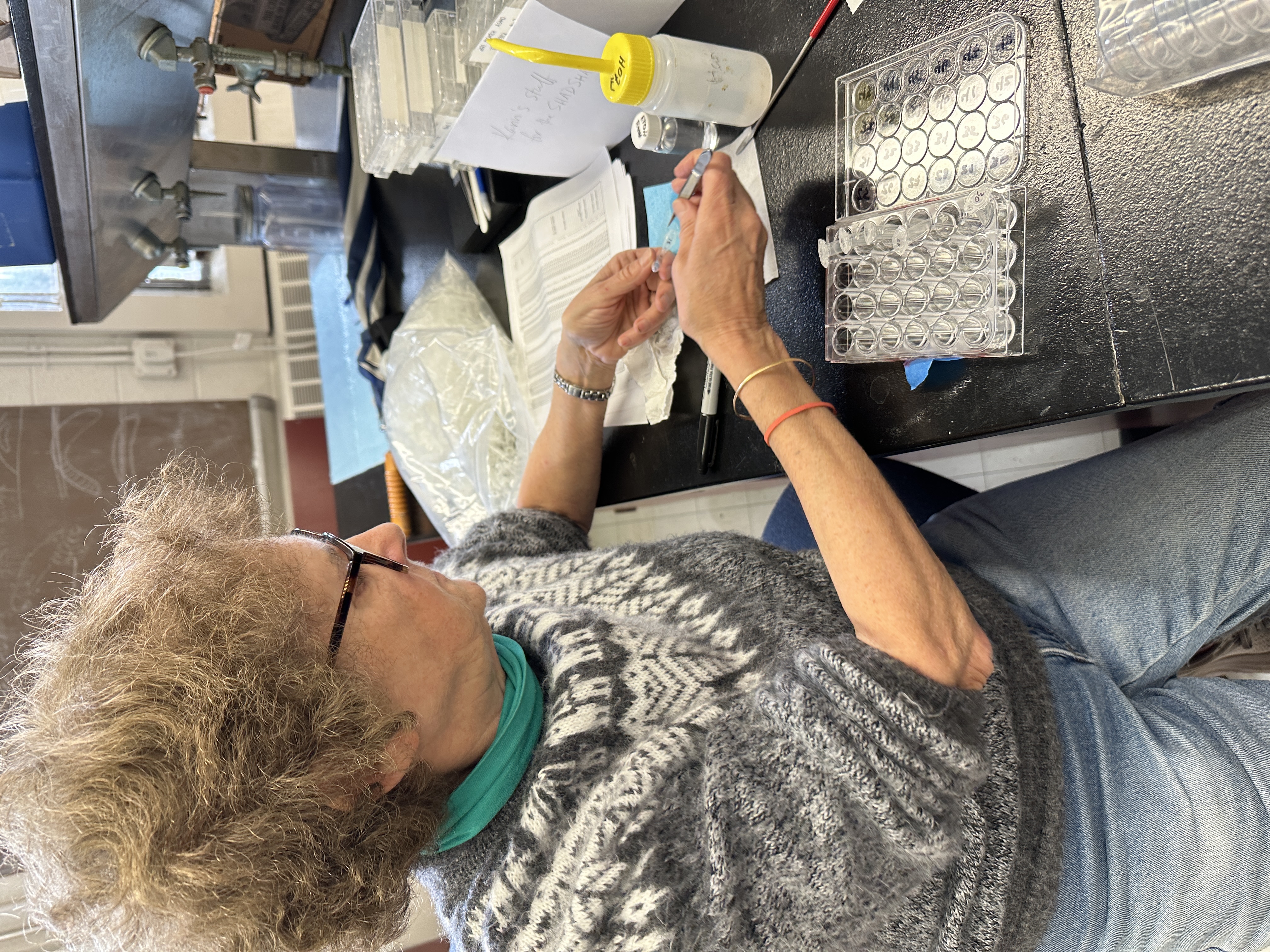
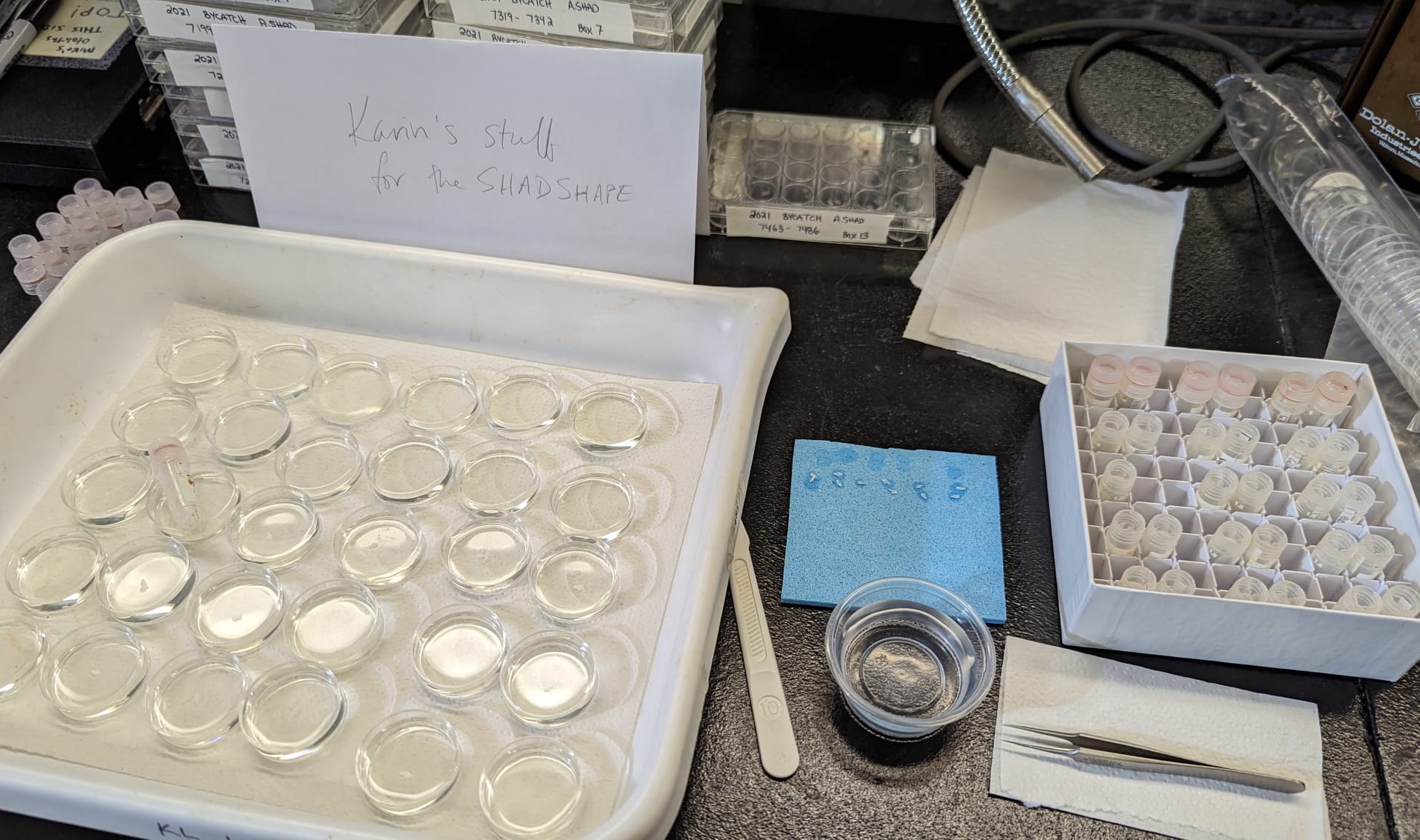
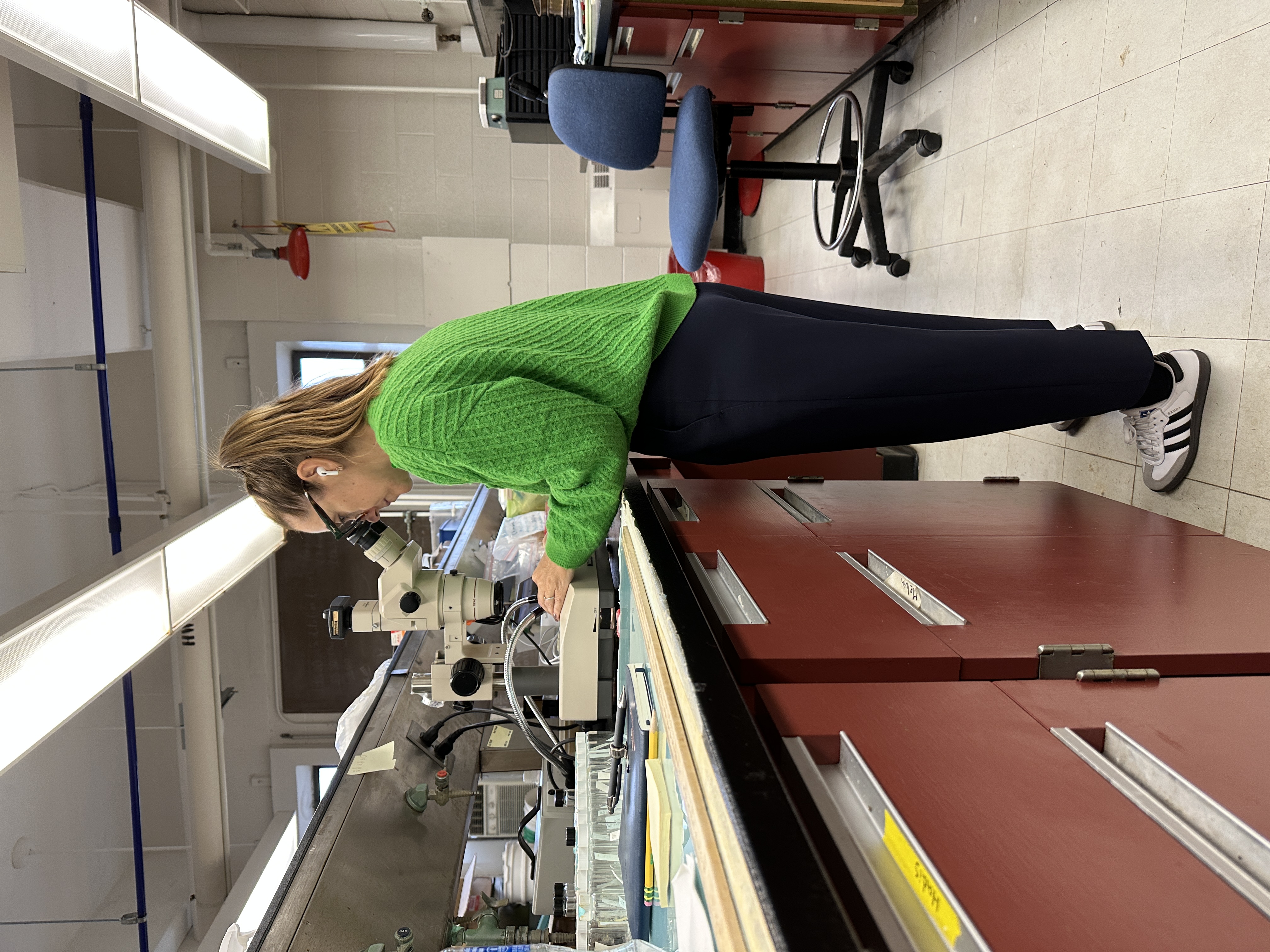
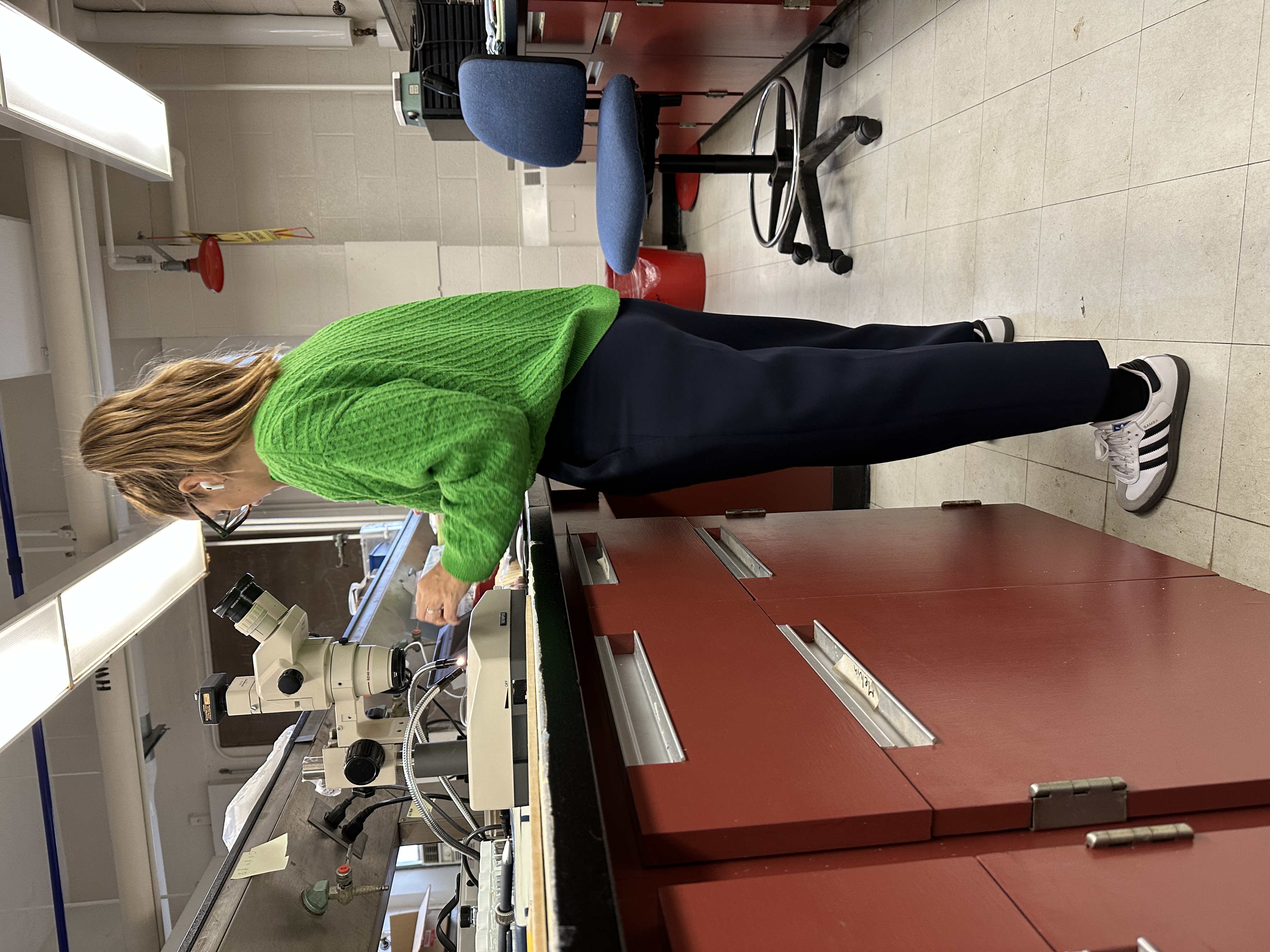
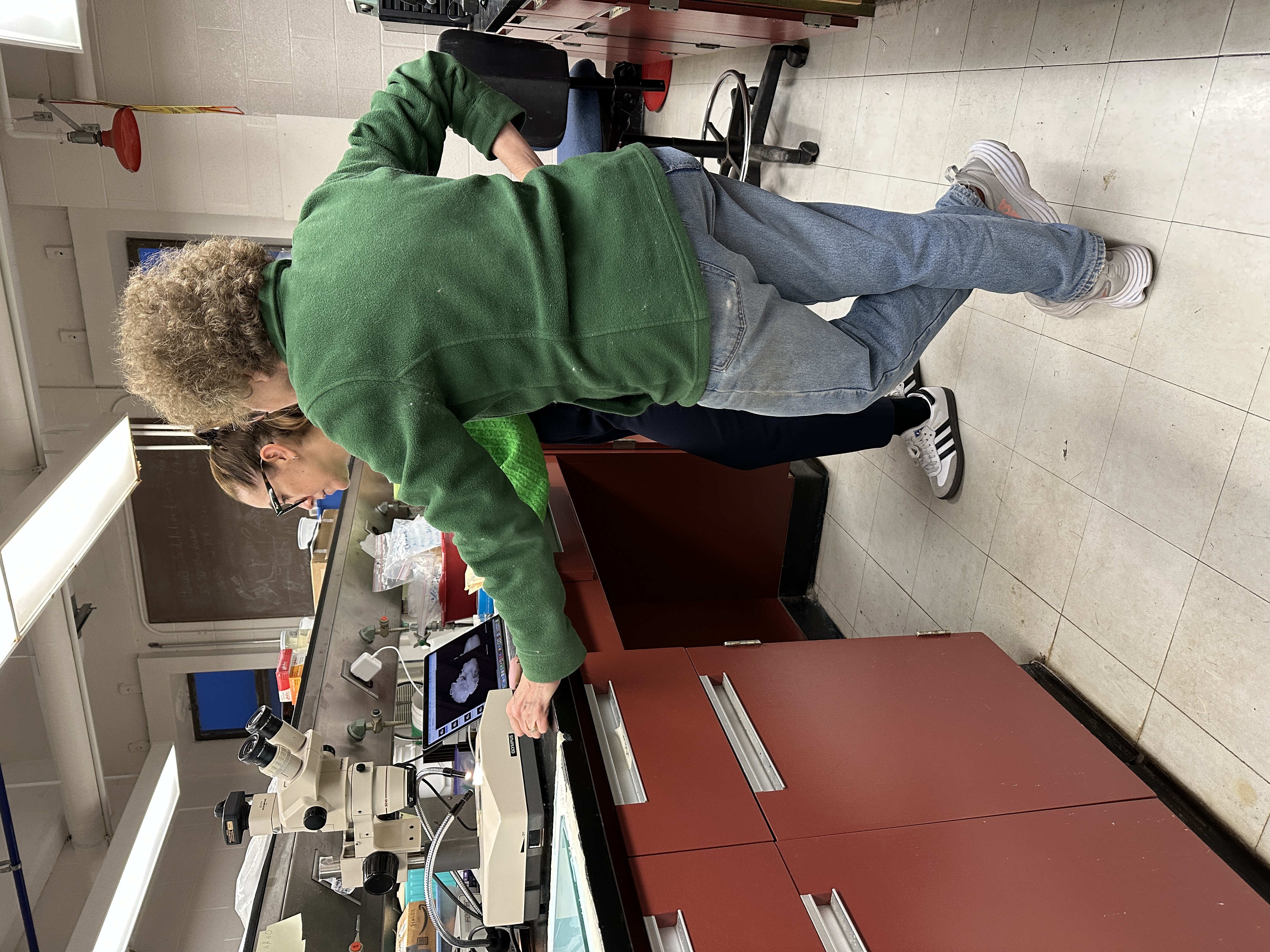
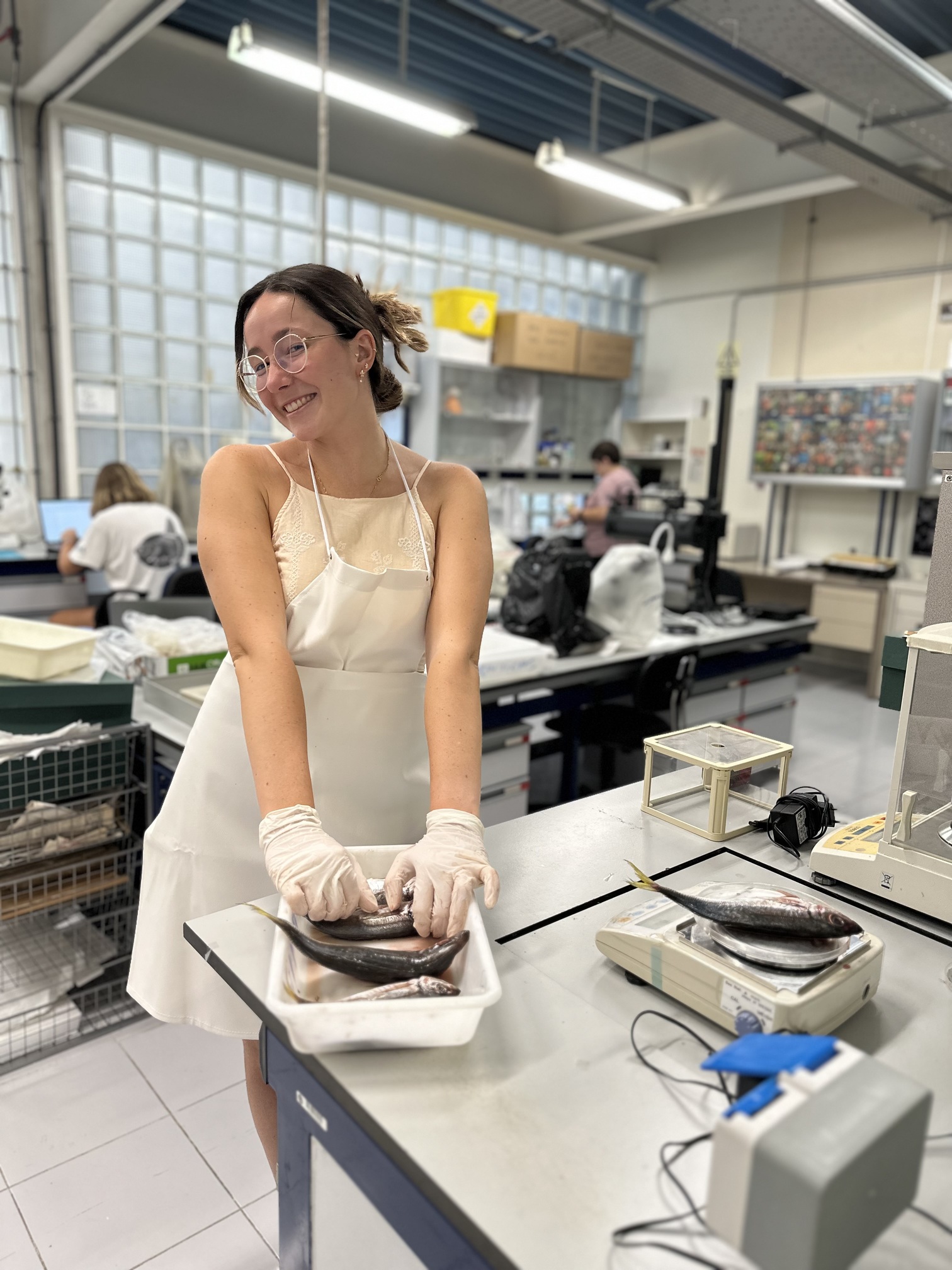
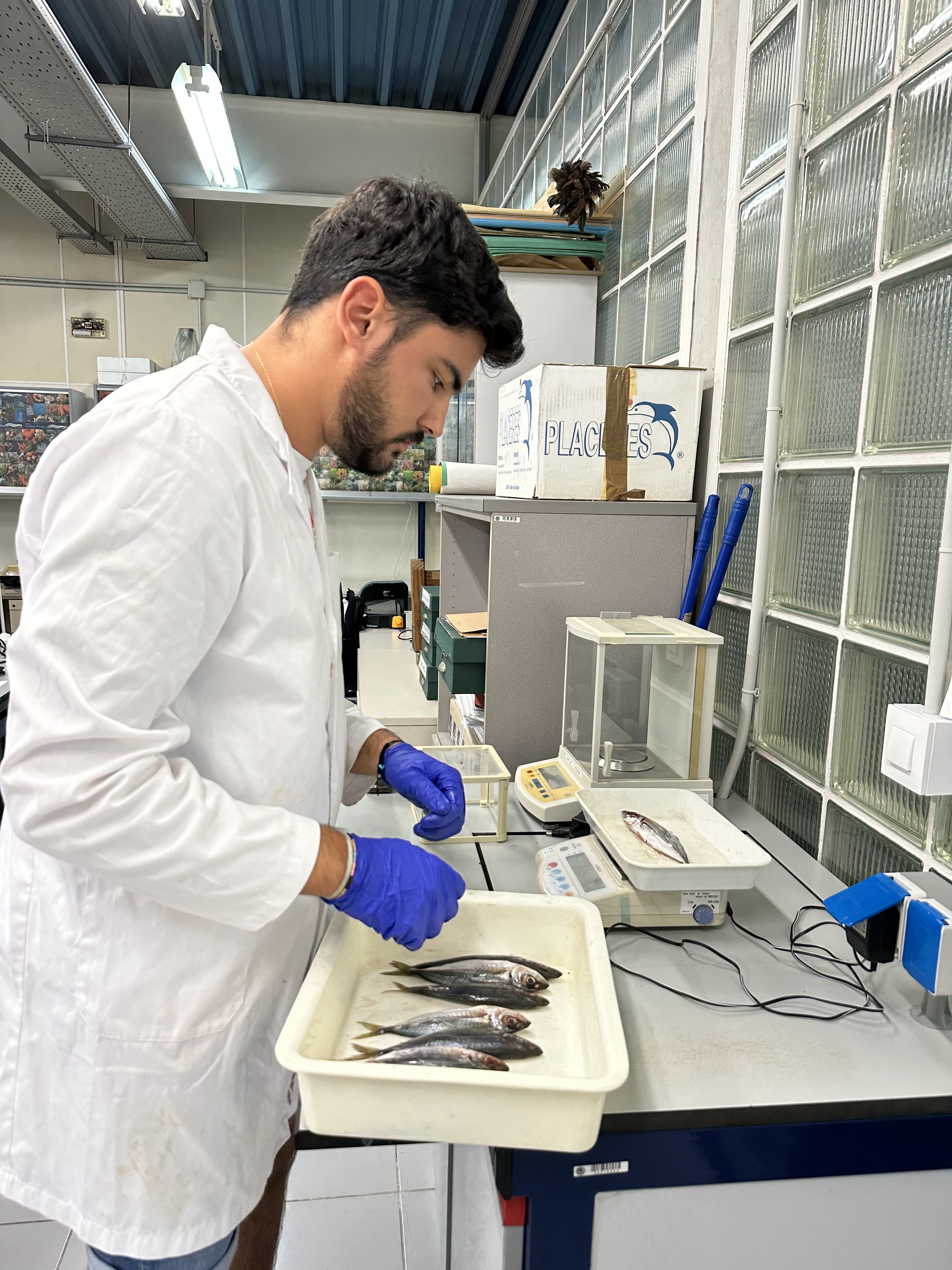
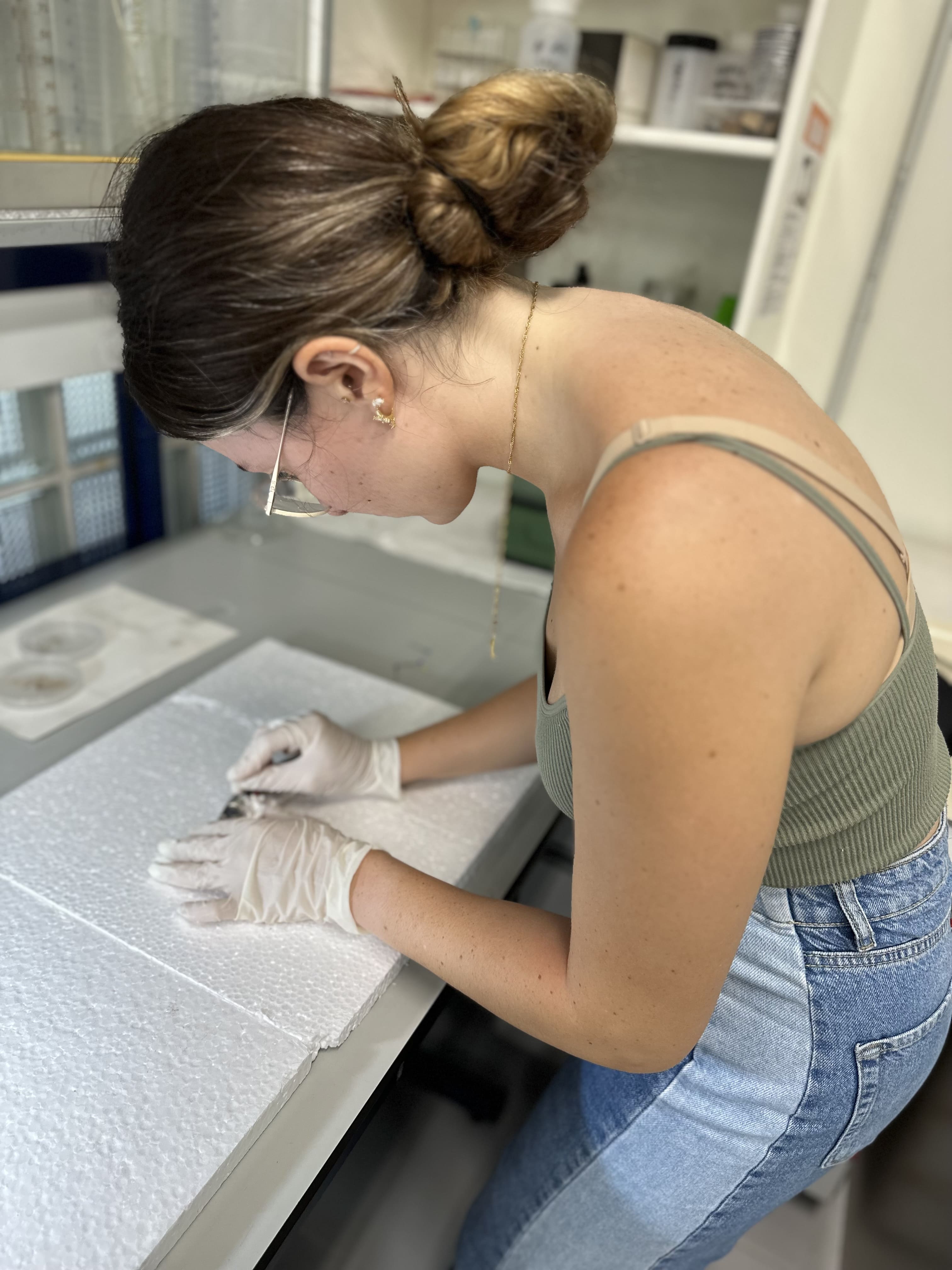
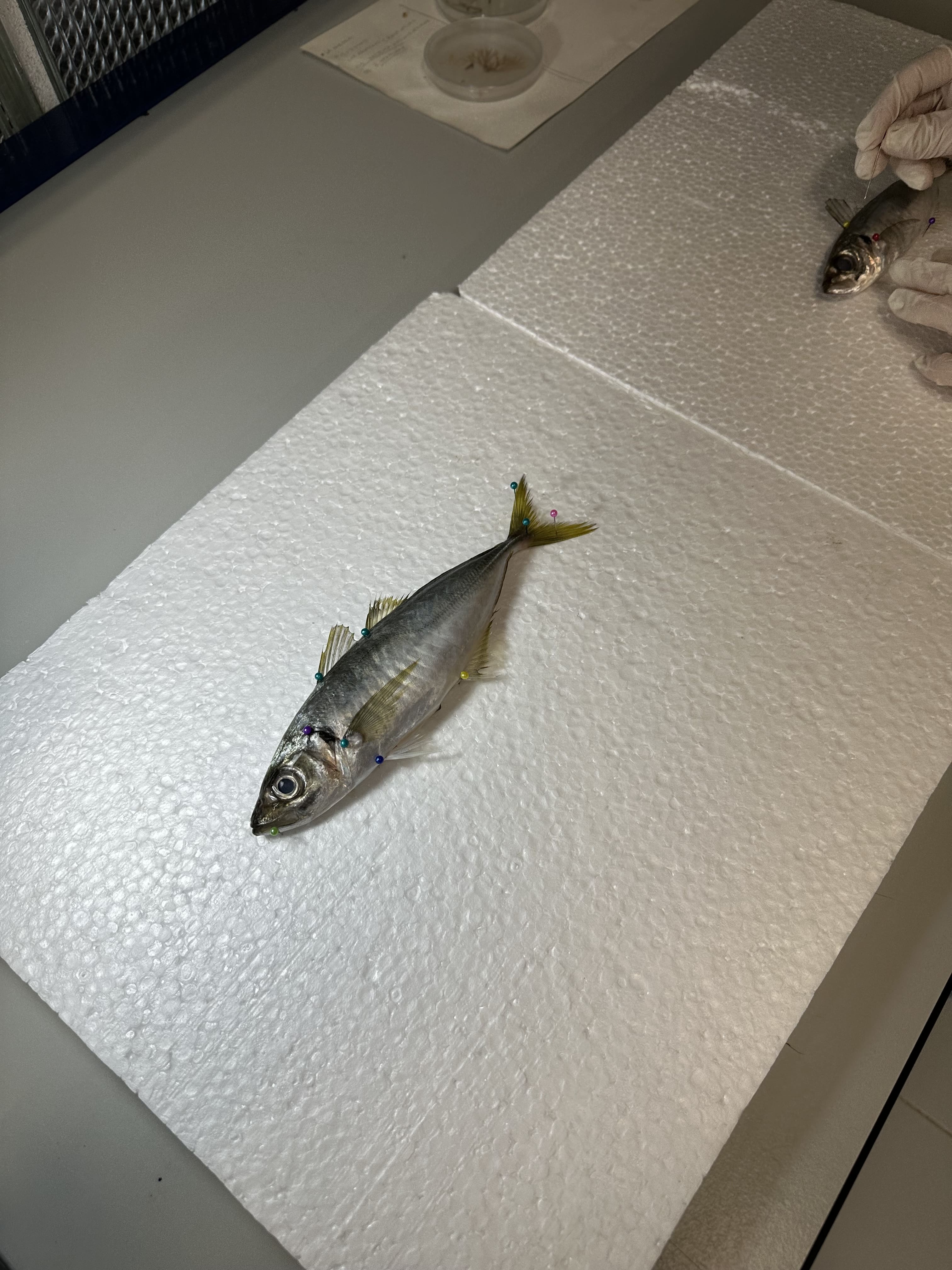
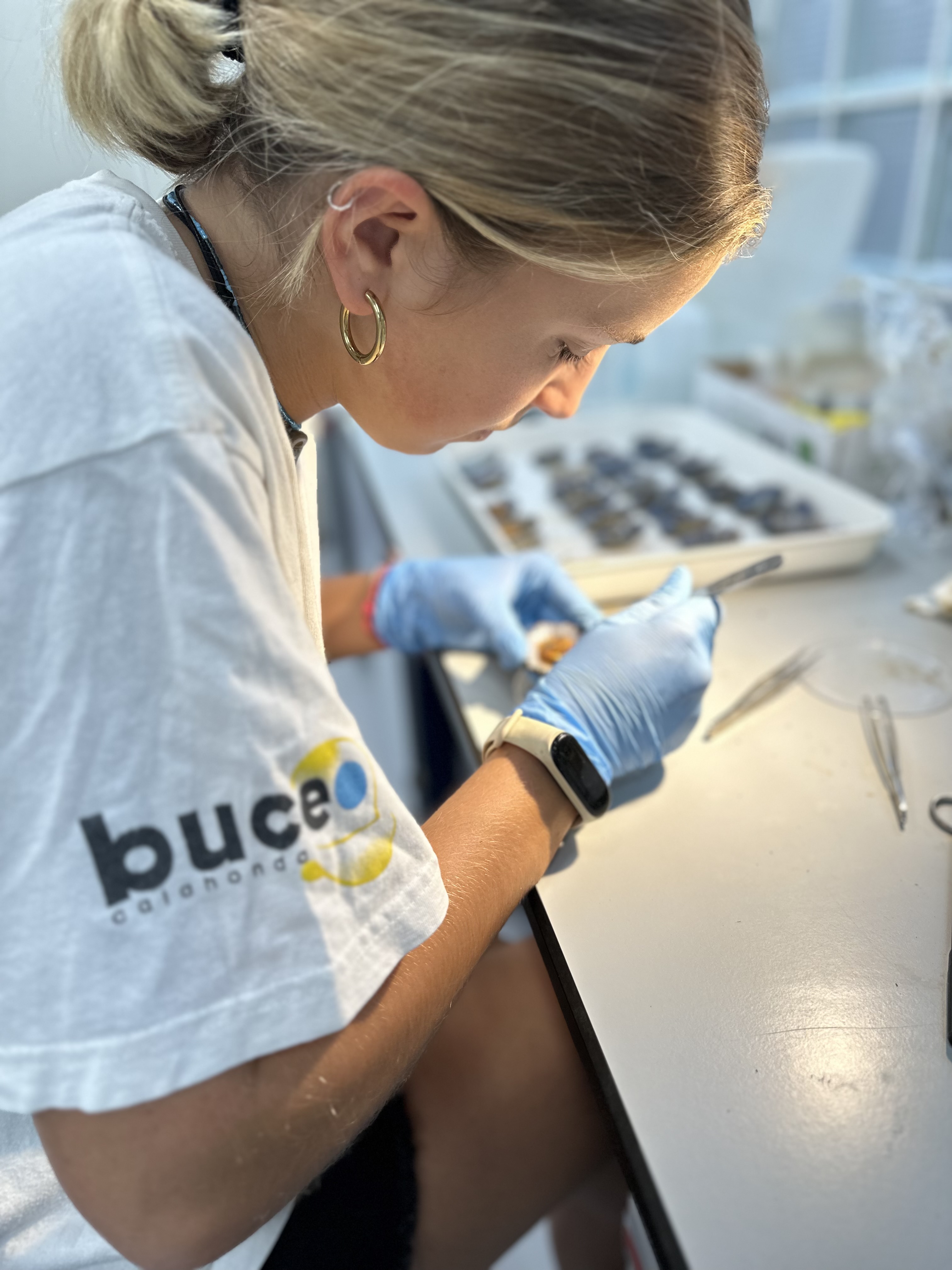
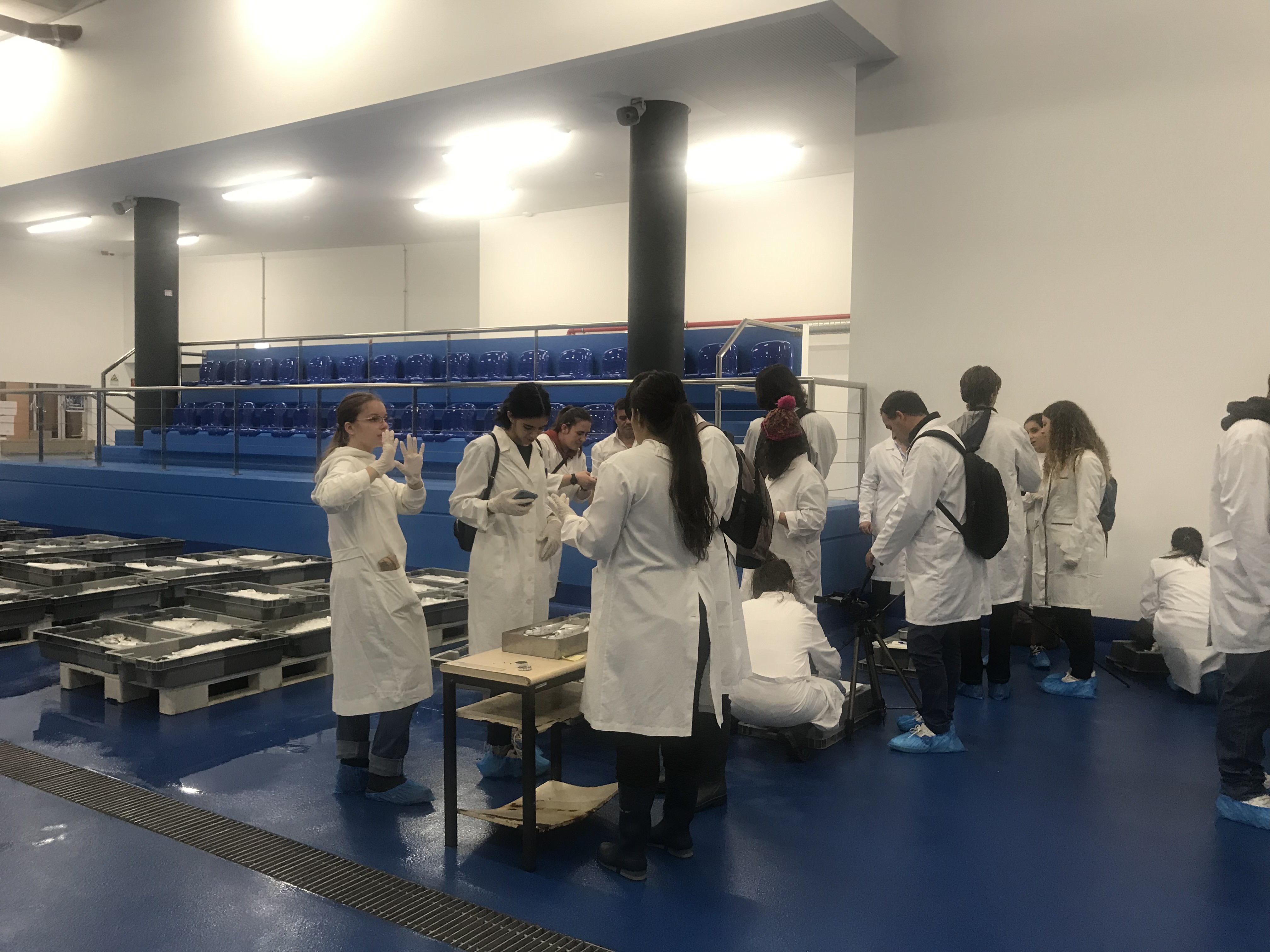
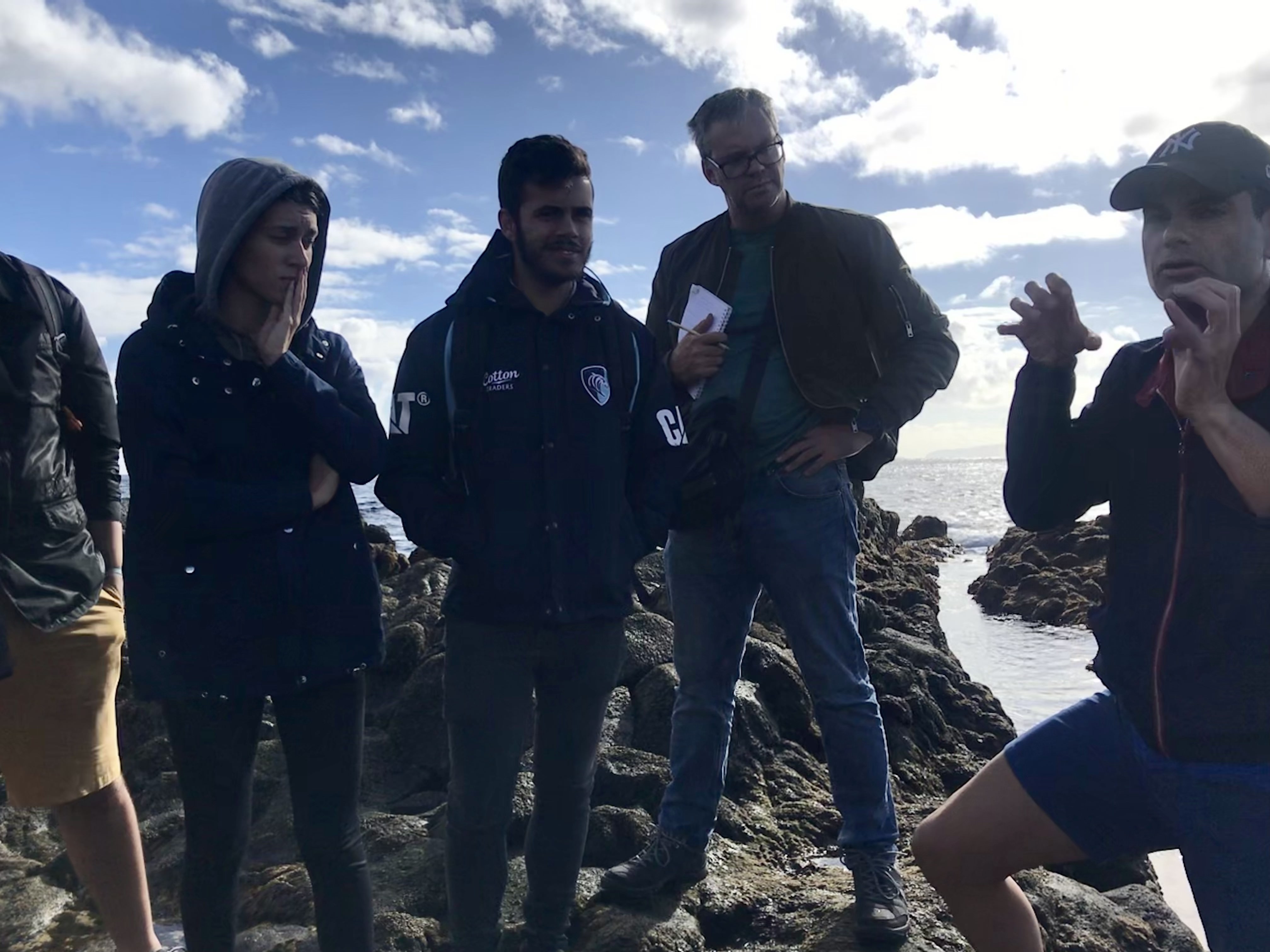
On 29 April 2026, students from the Erasmus Mundus Joint Master in Islands and Sustainability took part in a hands-on laboratory session sampling Trachurus mediterraneus within the courses Biological, Population and Fish Parameters (51303).
The activity brought students closer to the practical side of fisheries science, from biological sampling to the collection of data used to understand fish populations.
The photos say it all: sampling can be careful, collaborative, and fun.
March 3, 2026
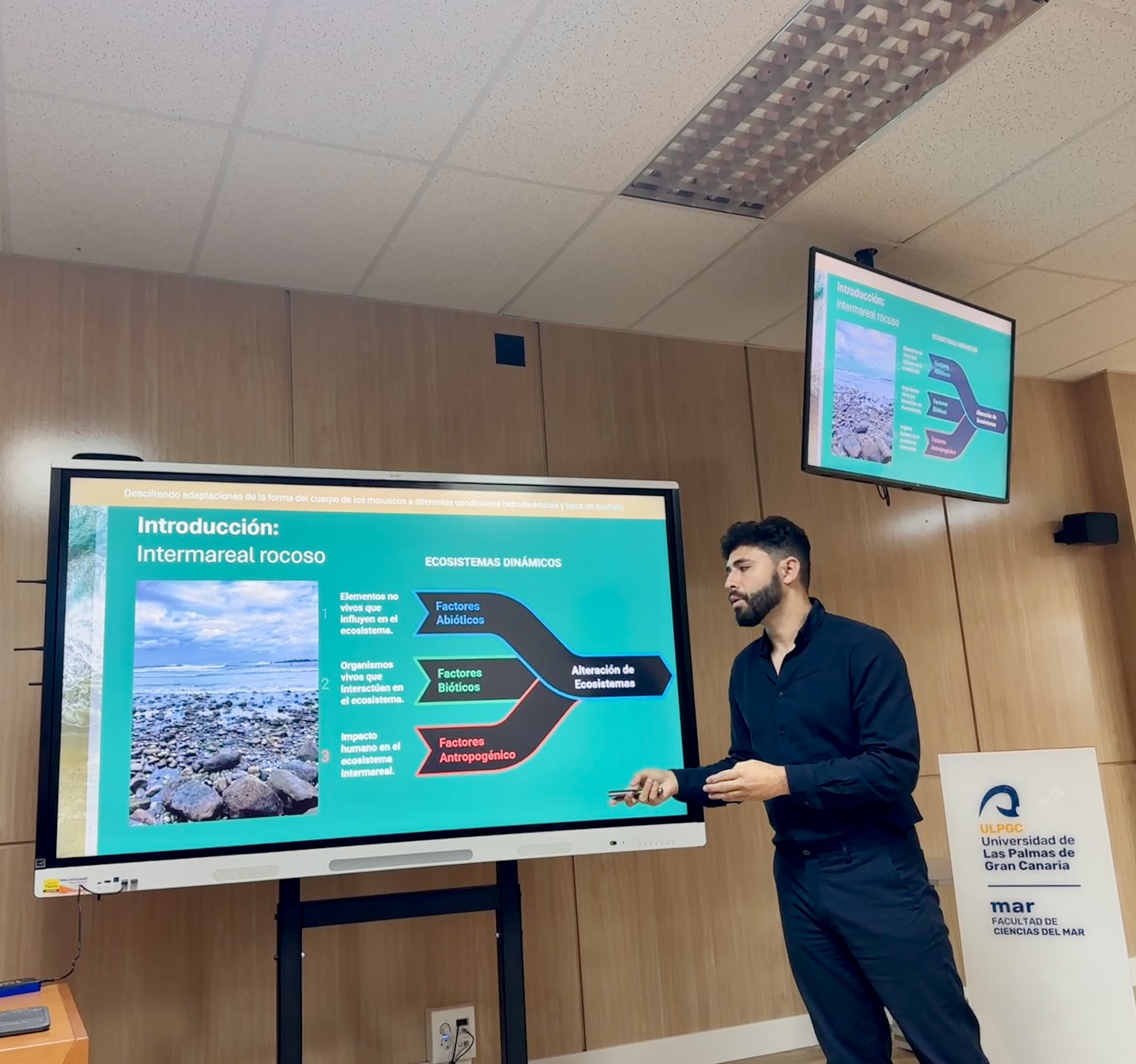
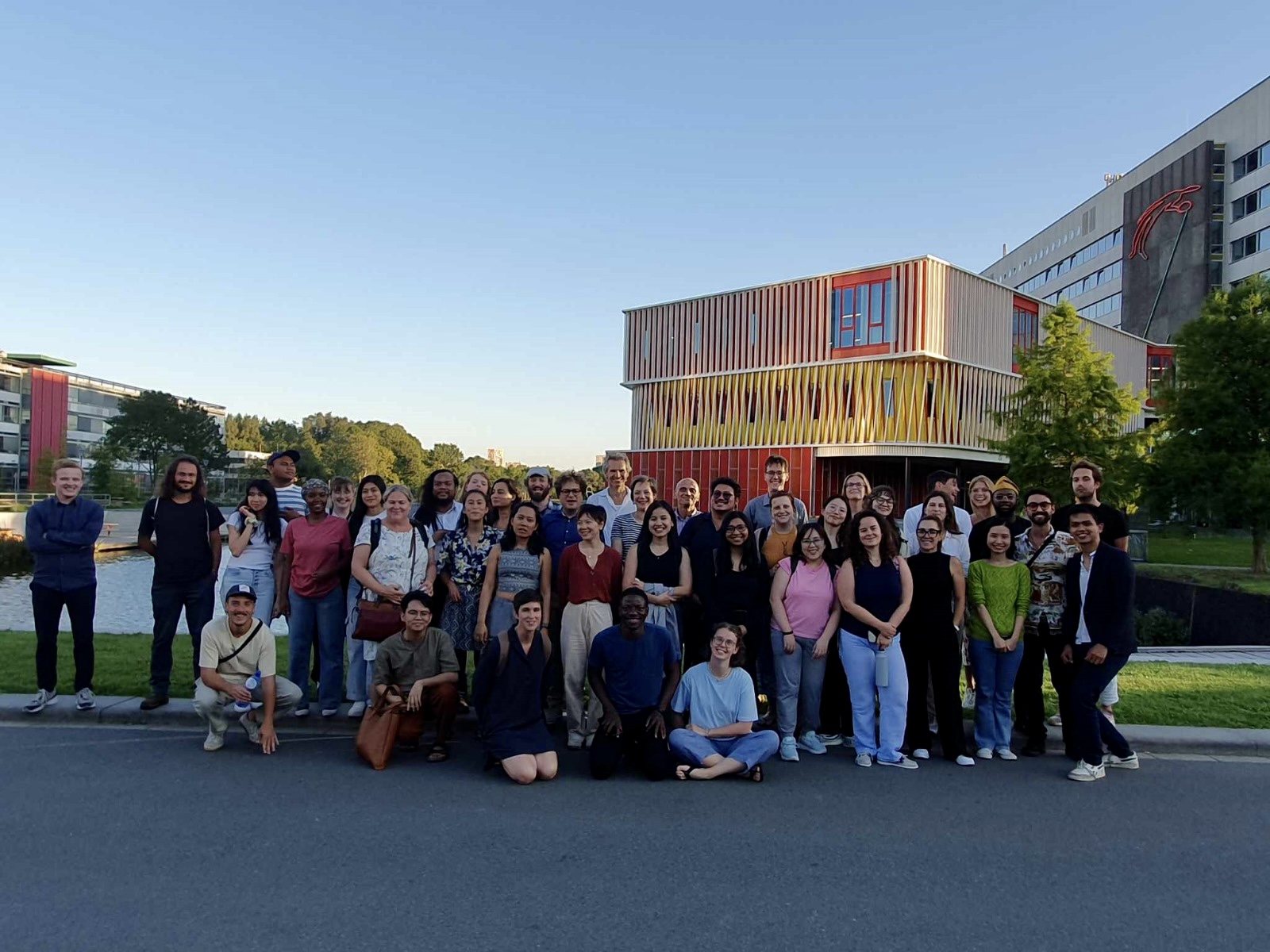
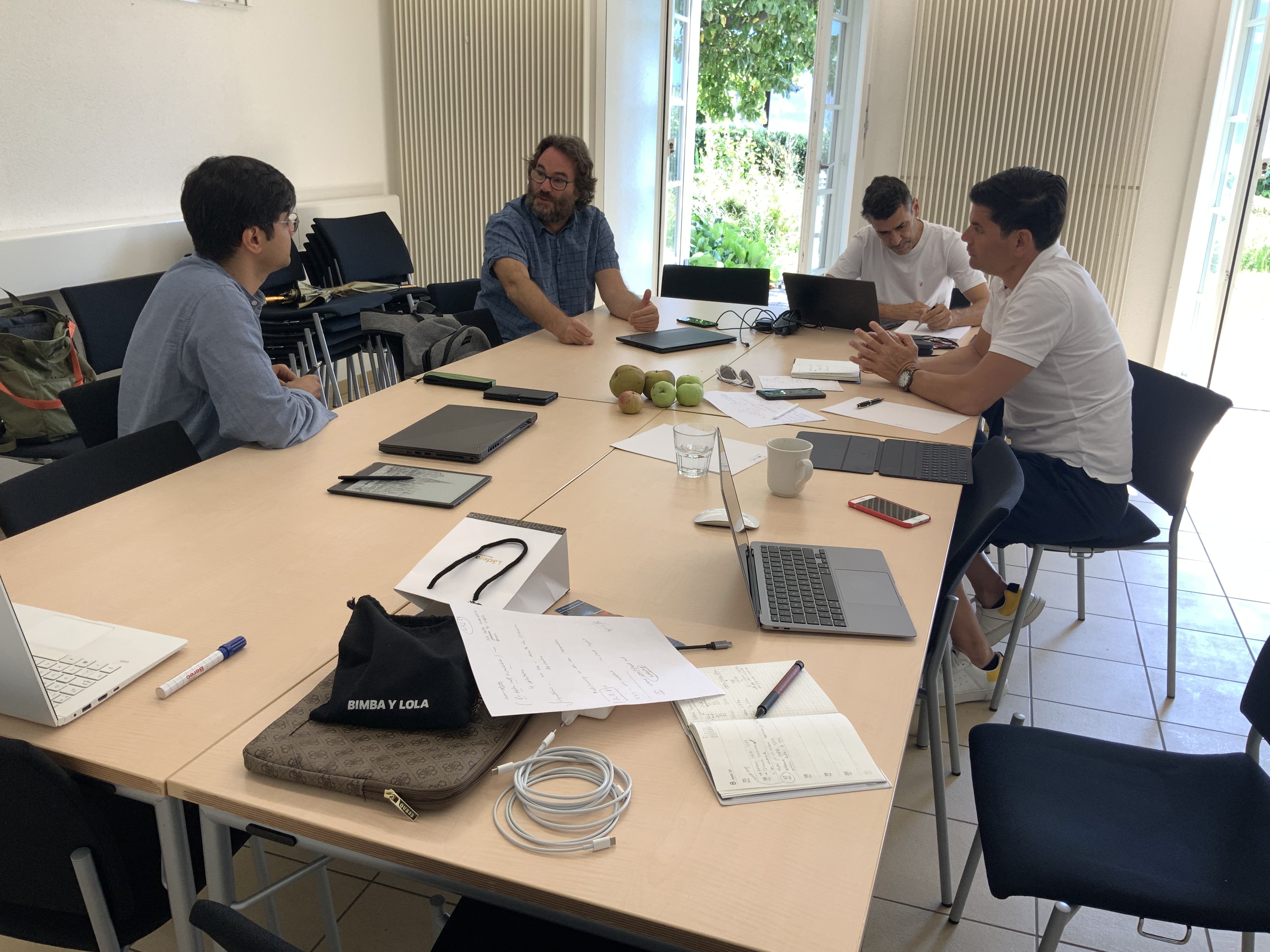
On 4 March 2026, students from the Erasmus Mundus Joint Master in Islands and Sustainability visited the Cofradía de Pescadores de Arguineguín as part of the courses Biological, Population and Fish Parameters (51303) and Ecological Modelling and Conservation Strategies (51302).
The visit offered a valuable opportunity to connect classroom learning with the realities of small-scale fisheries, local management, and the role of fishers’ knowledge in building more sustainable island systems. We warmly thank Patrón Mayor Jesús David Vega Medina for welcoming us, and Ricardo Ortega, former Patrón Mayor of the Cofradía de Pescadores de Arguineguín, for the generous reception and guided tour of the facilities.
A meaningful experience for our students, and an excellent example of how universities and local fishing communities can learn from one another.
January 22, 2026
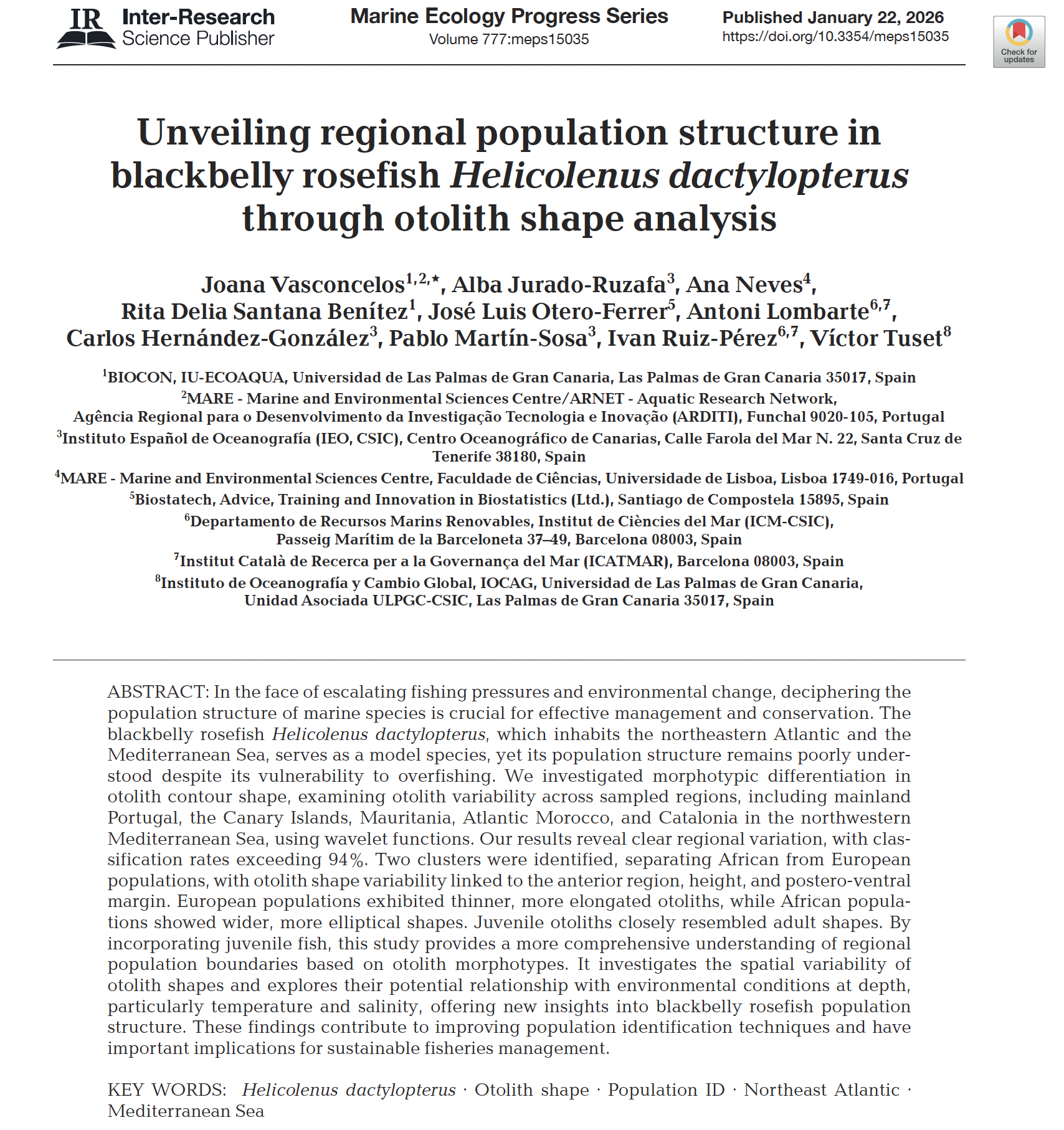
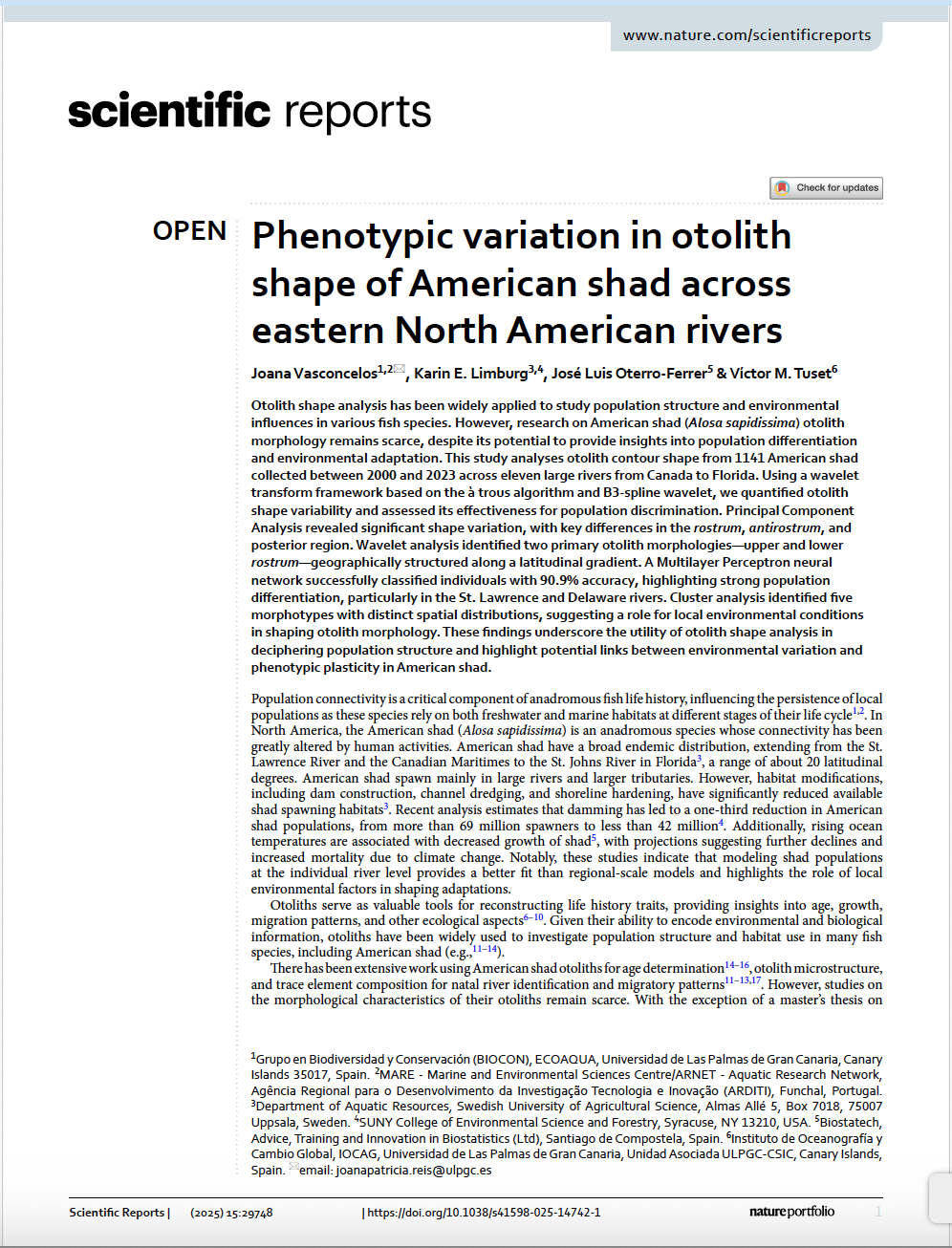
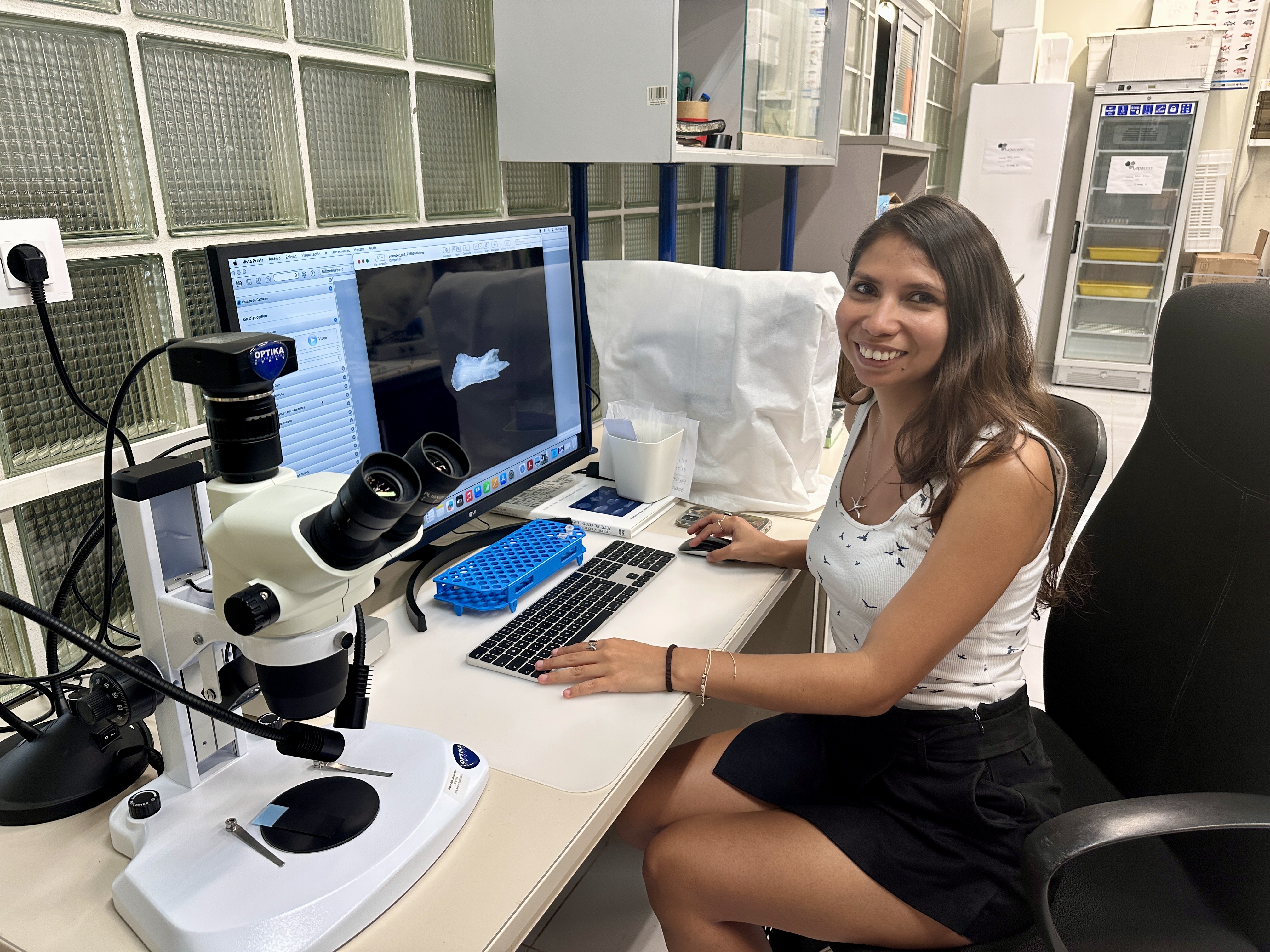
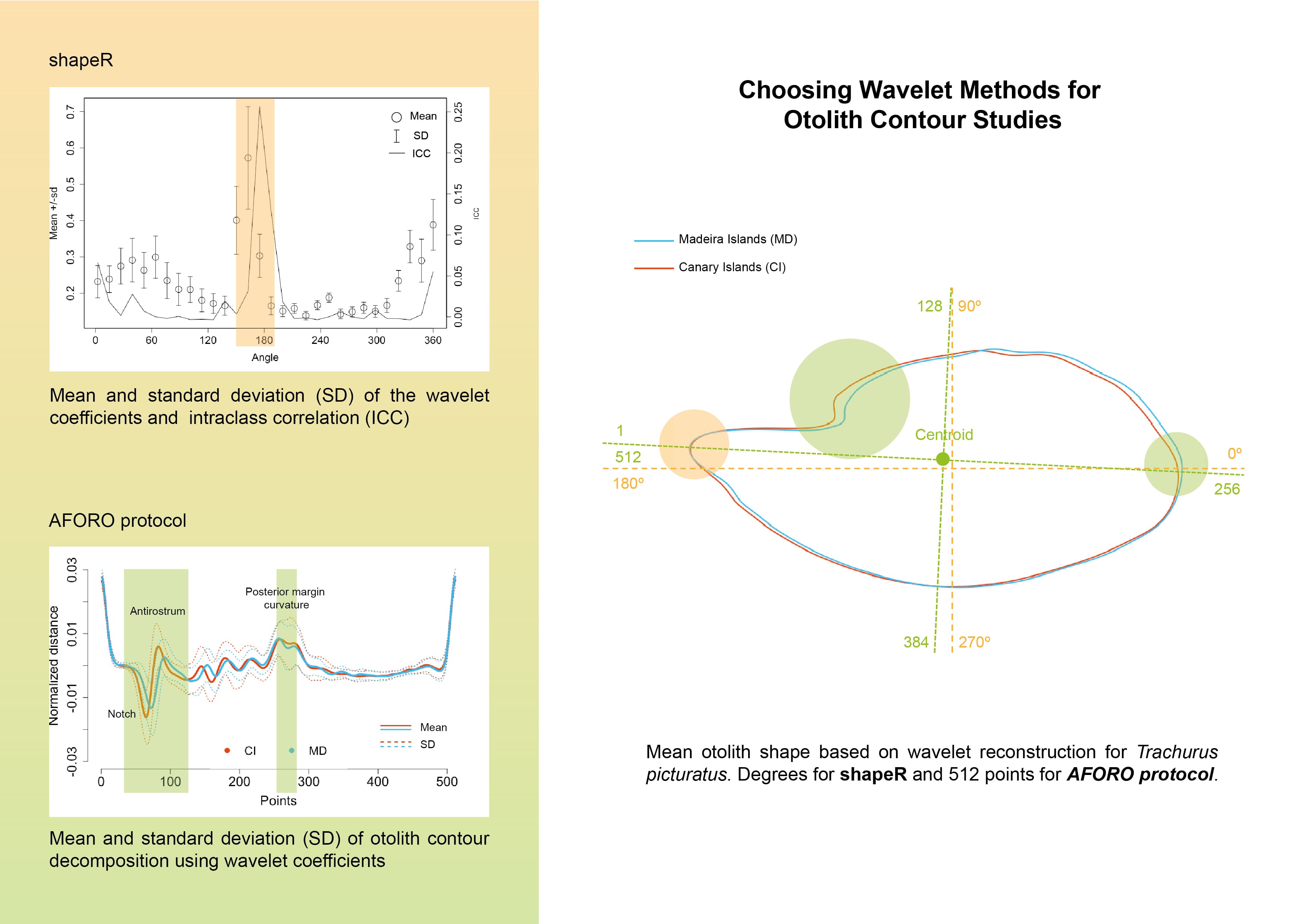
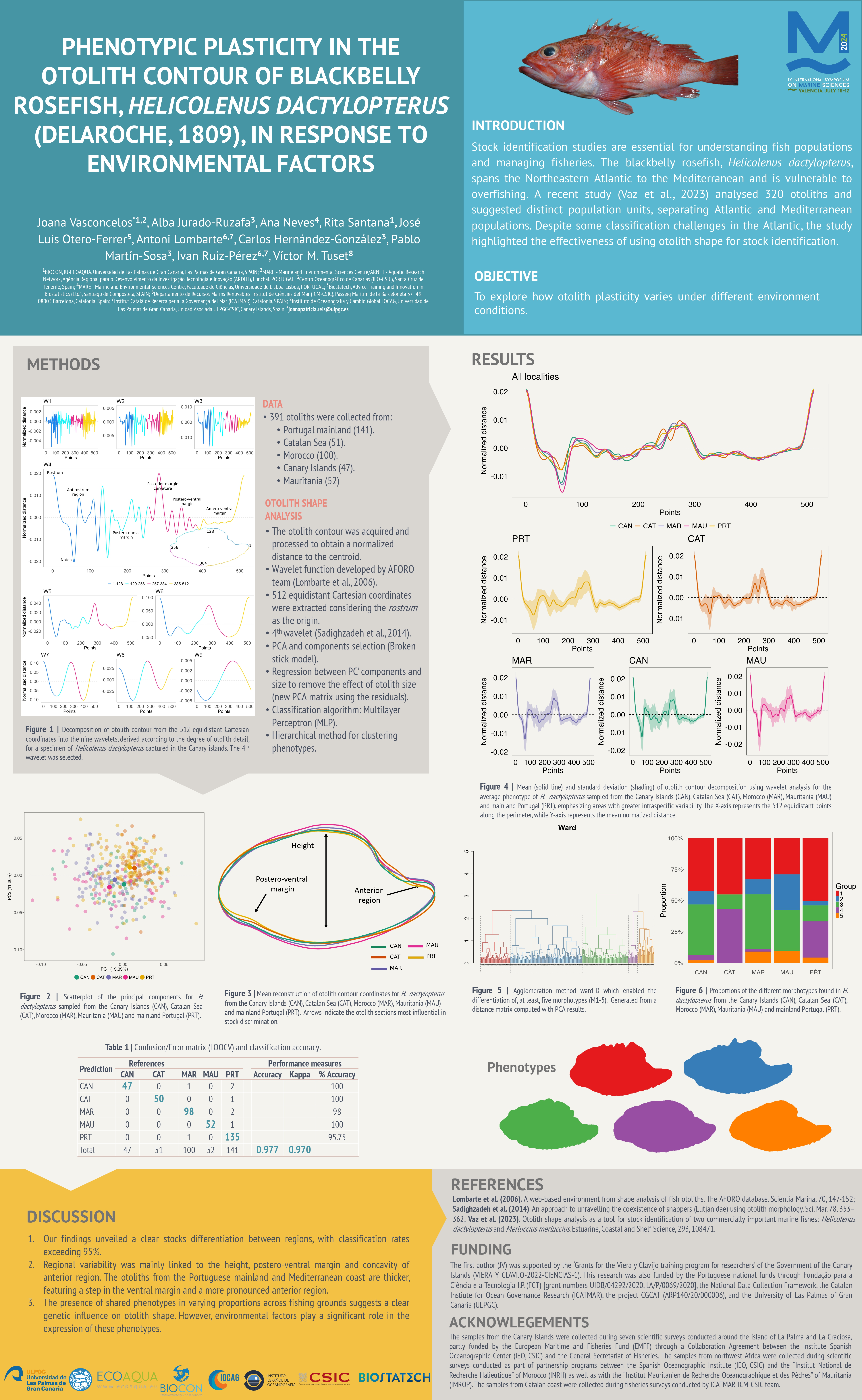
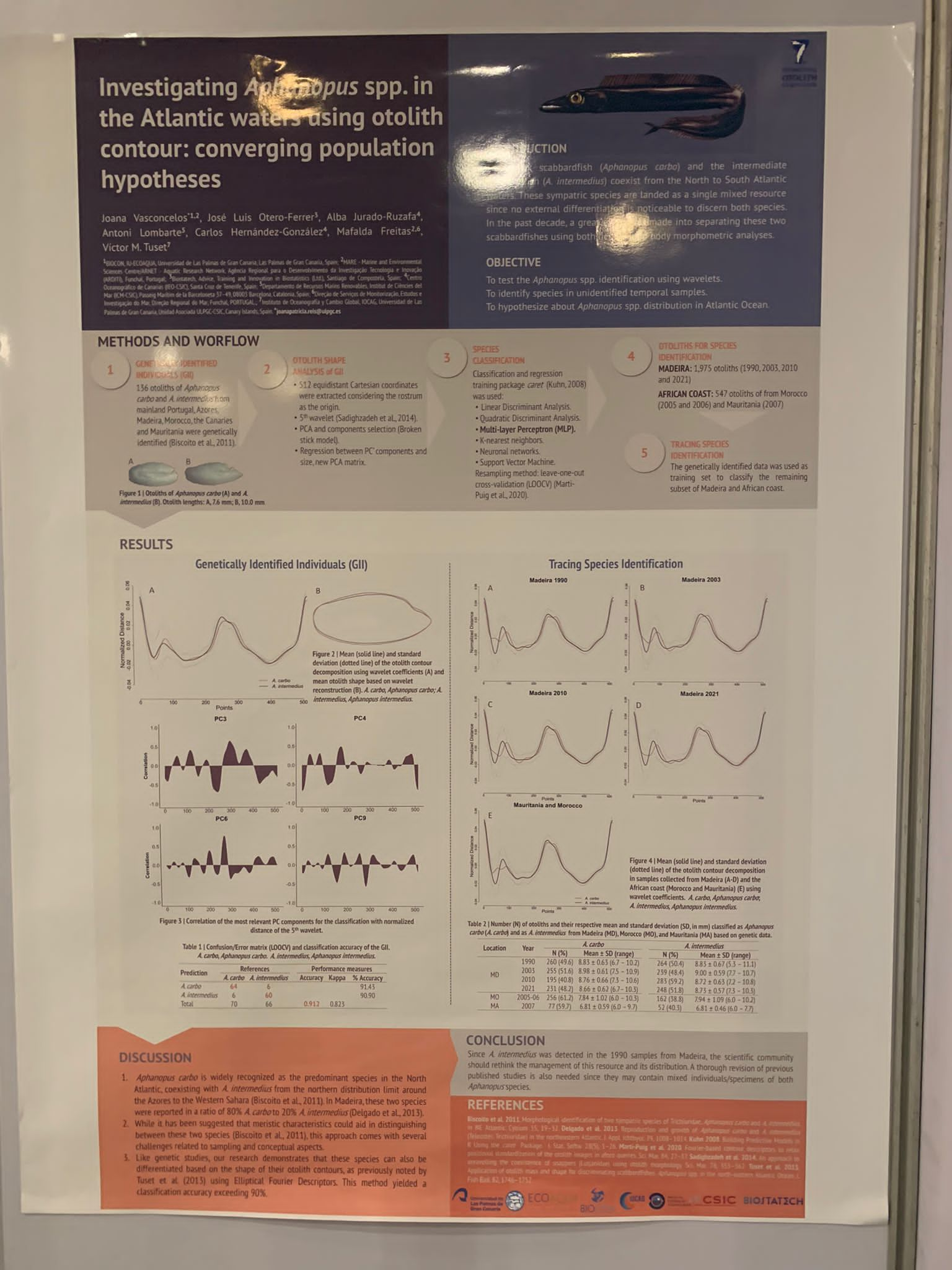
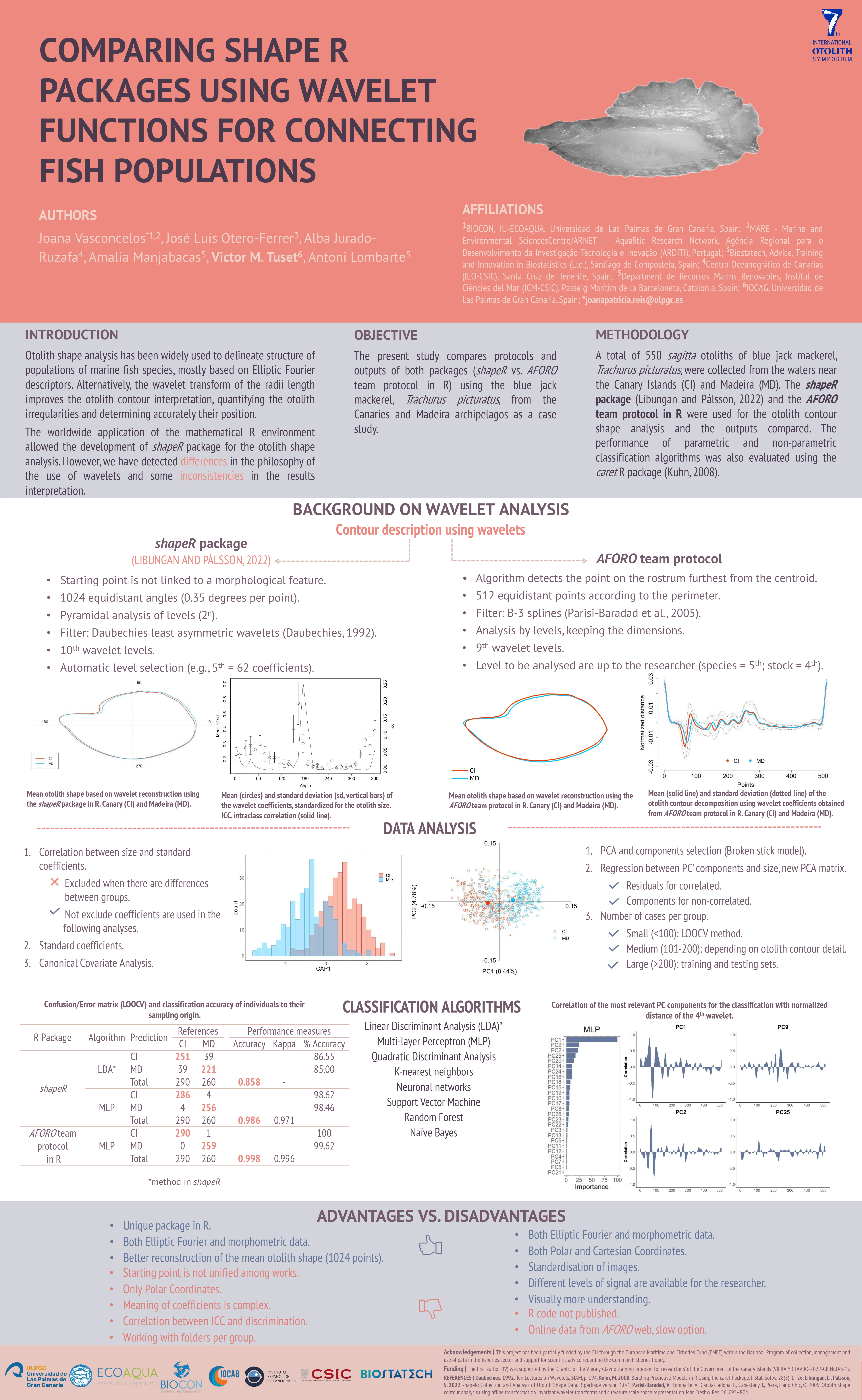
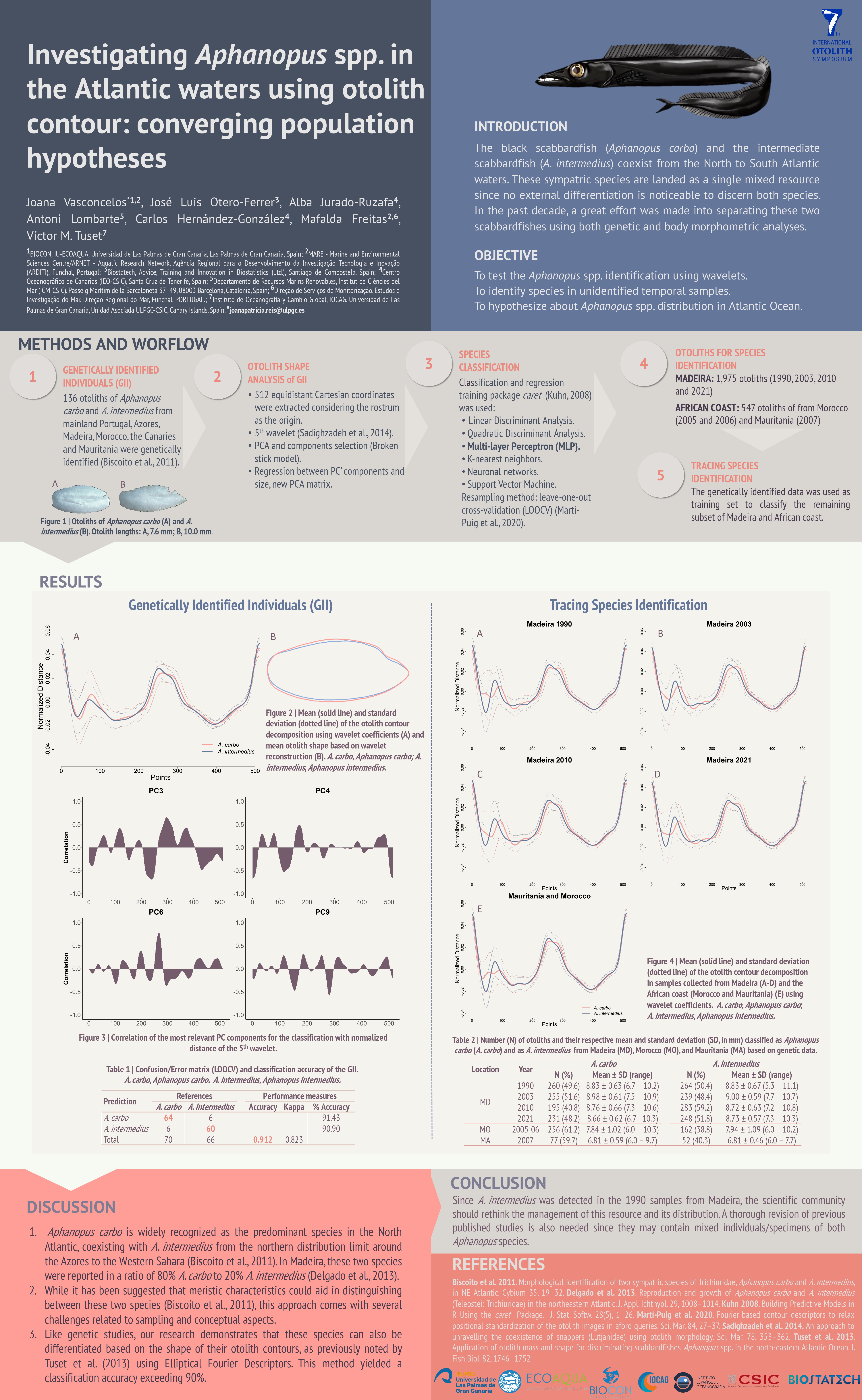
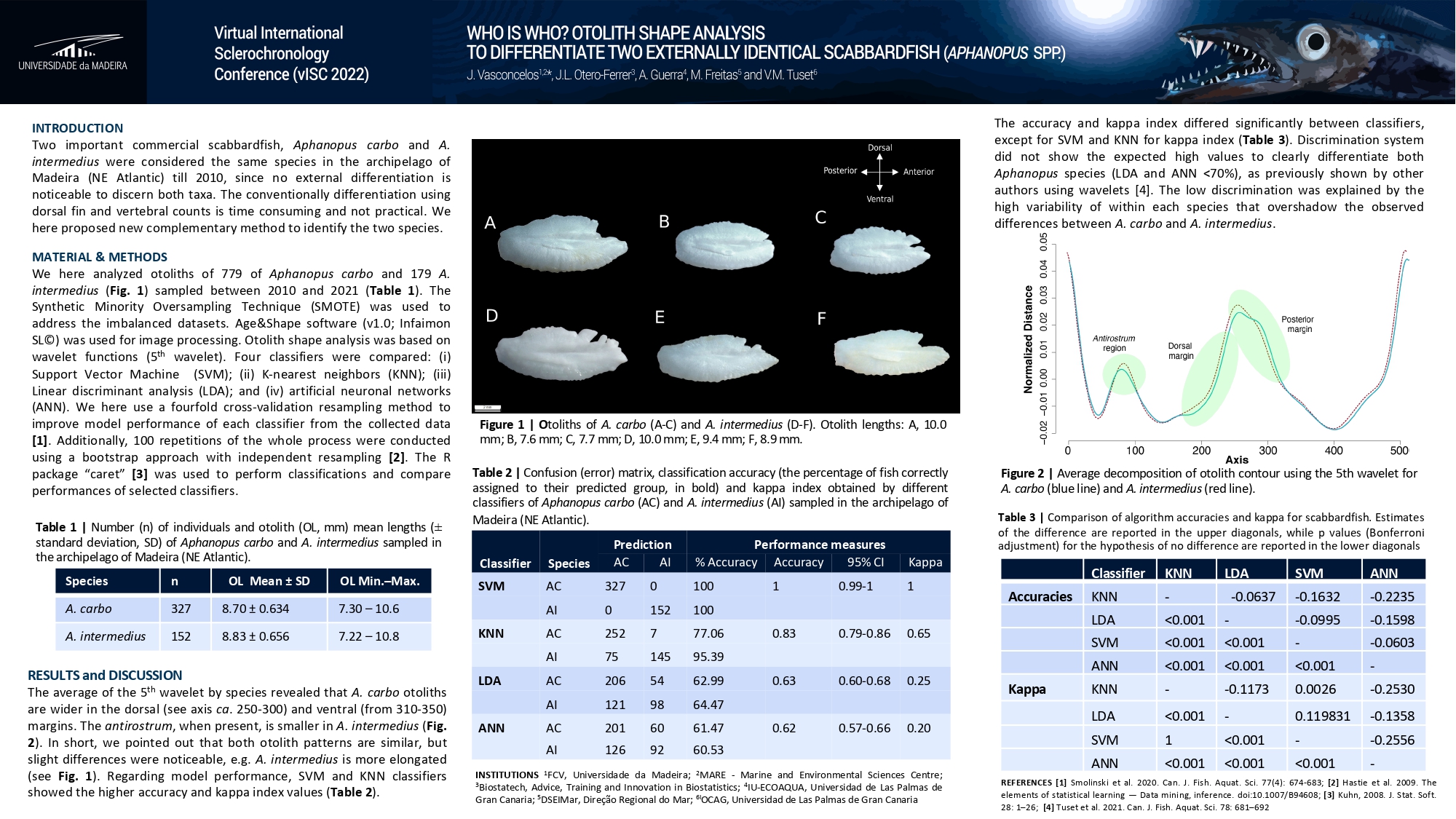
Unveiling regional population structure in blackbelly rosefish Helicolenus dactylopterus
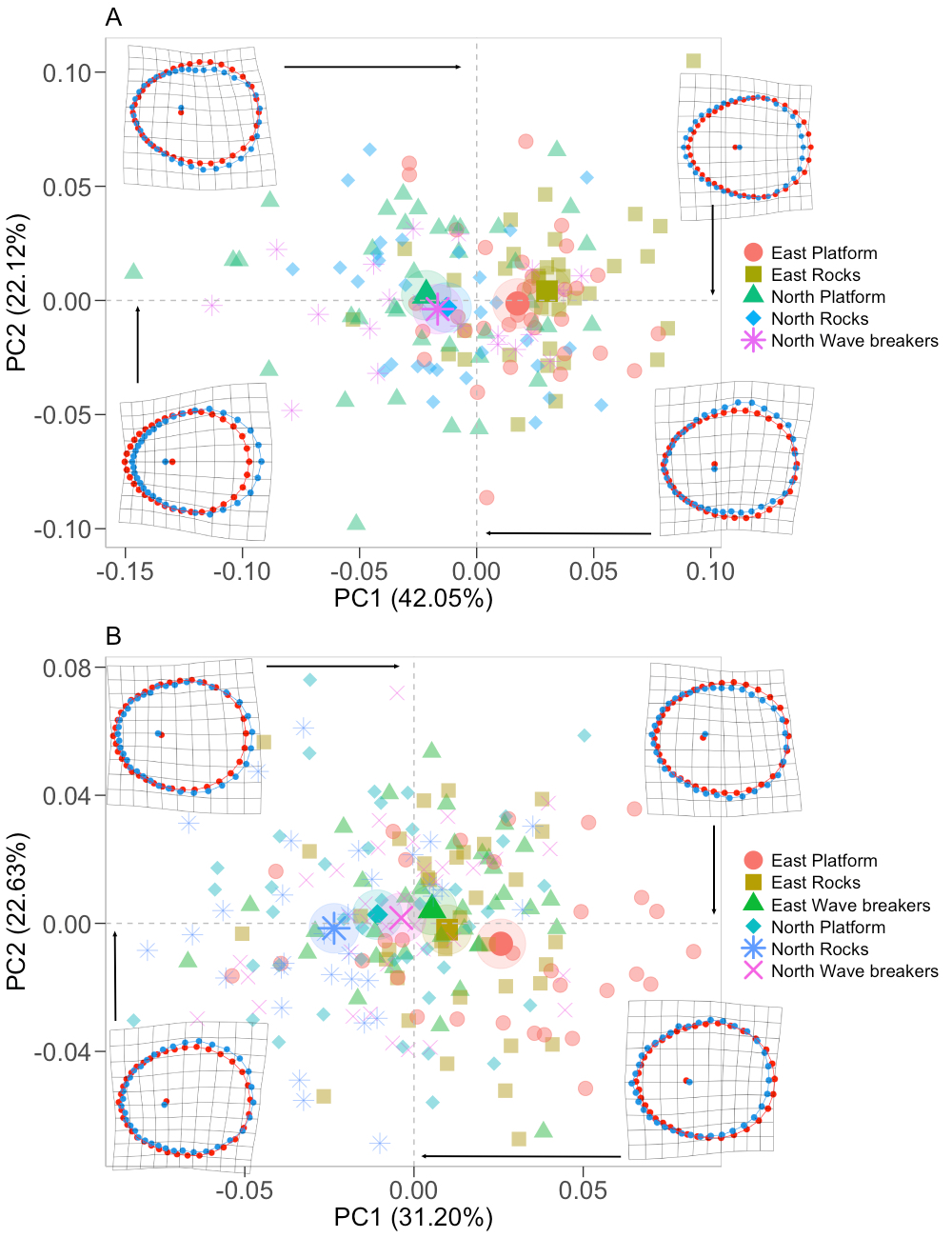
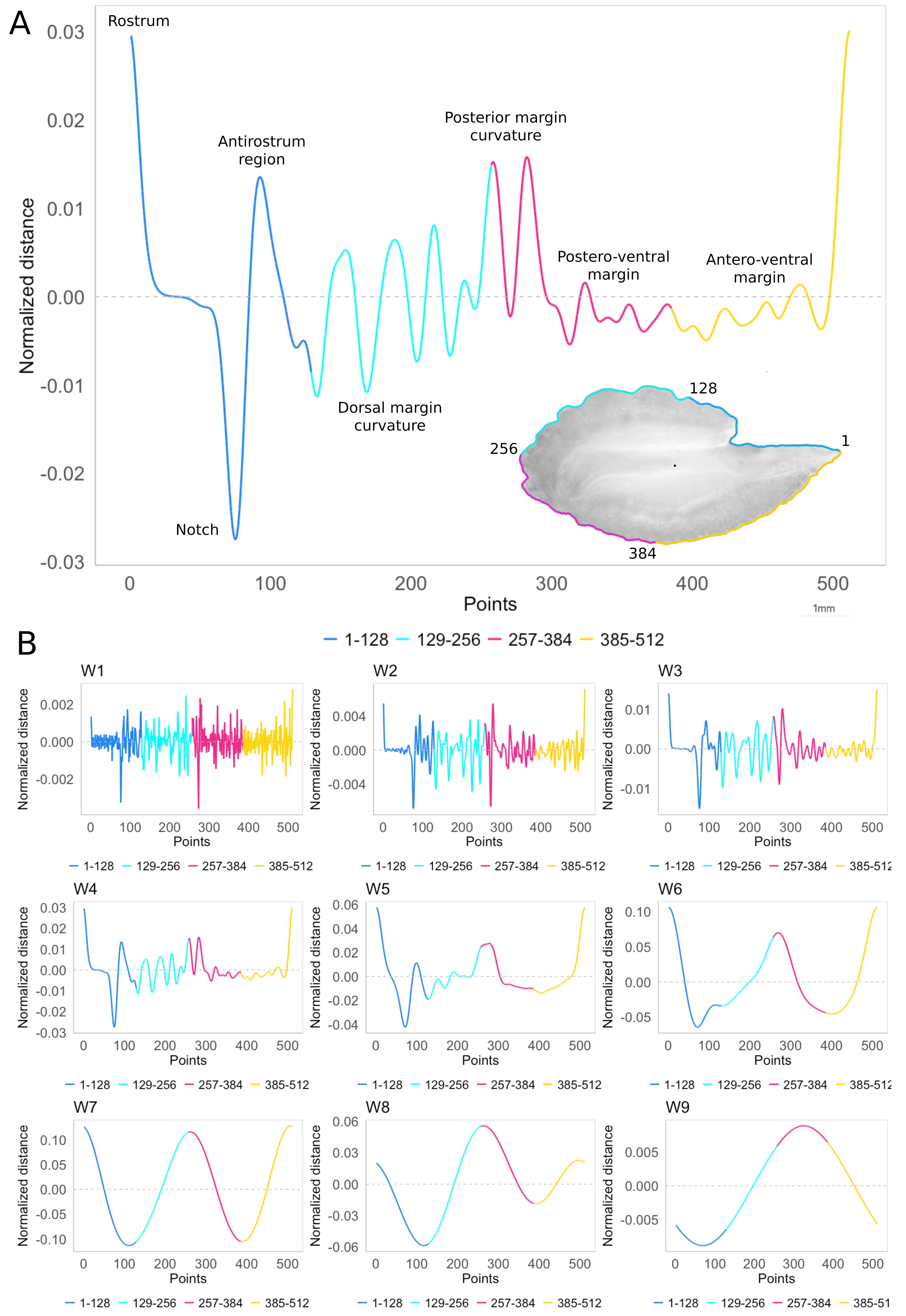
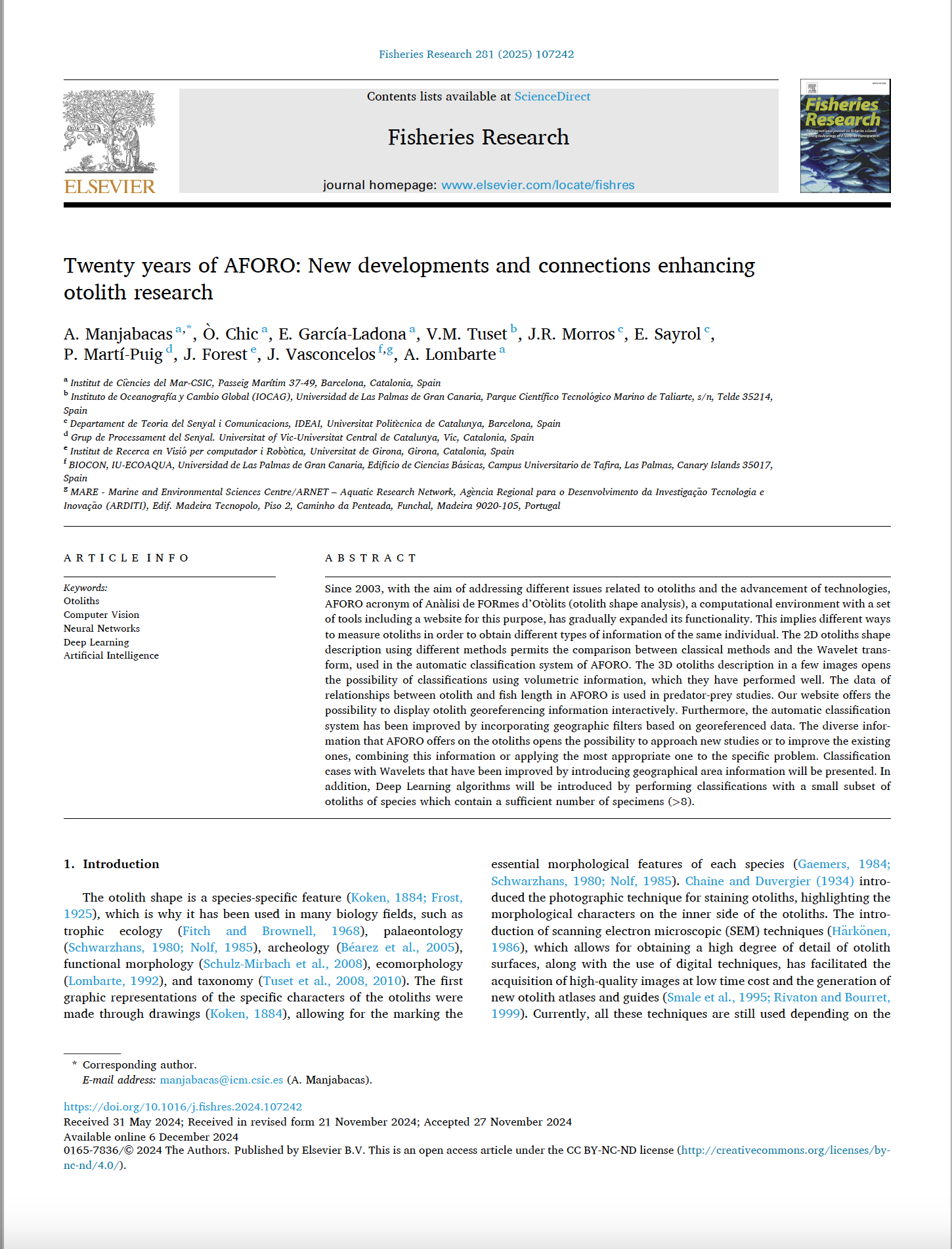
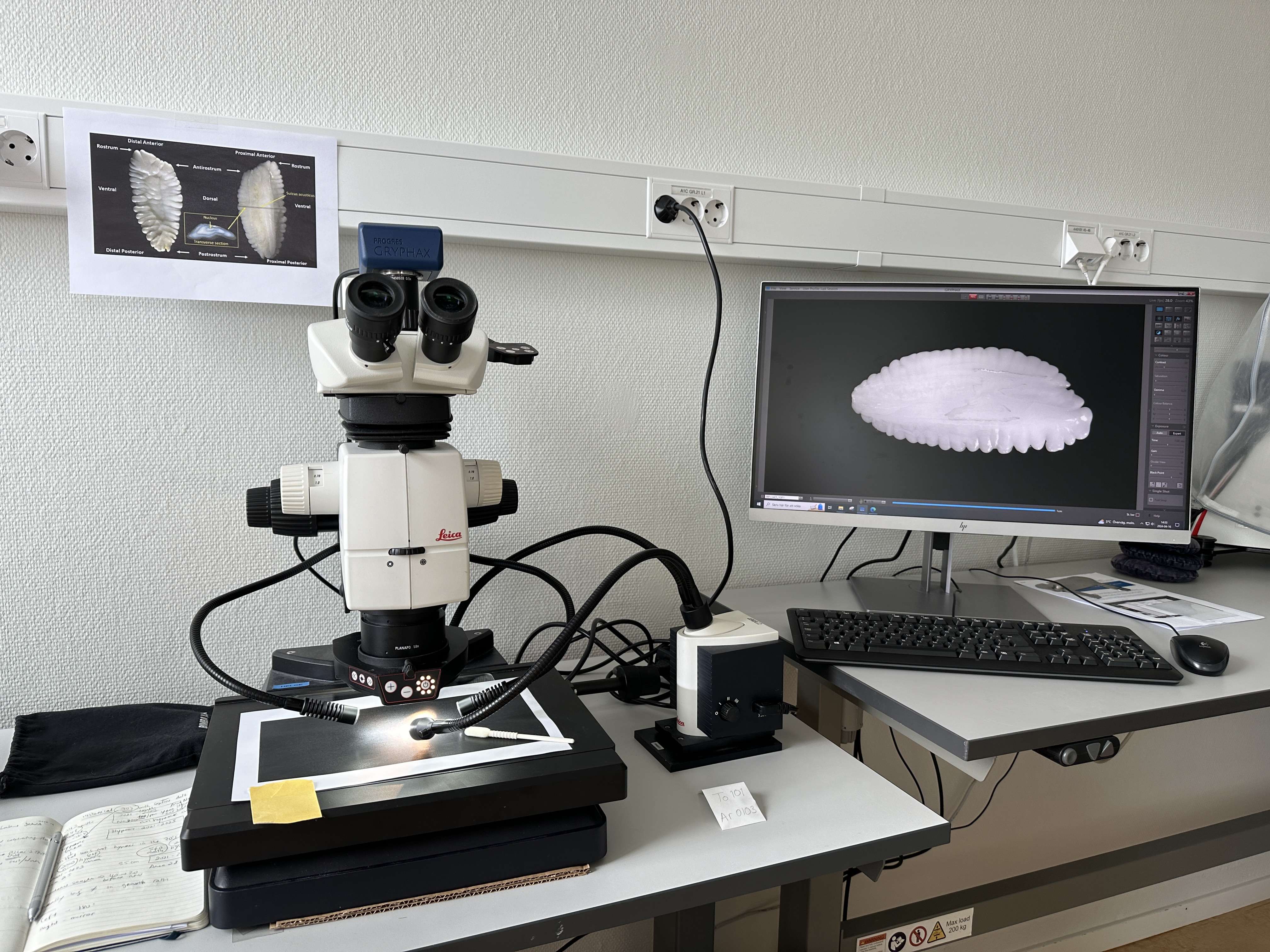
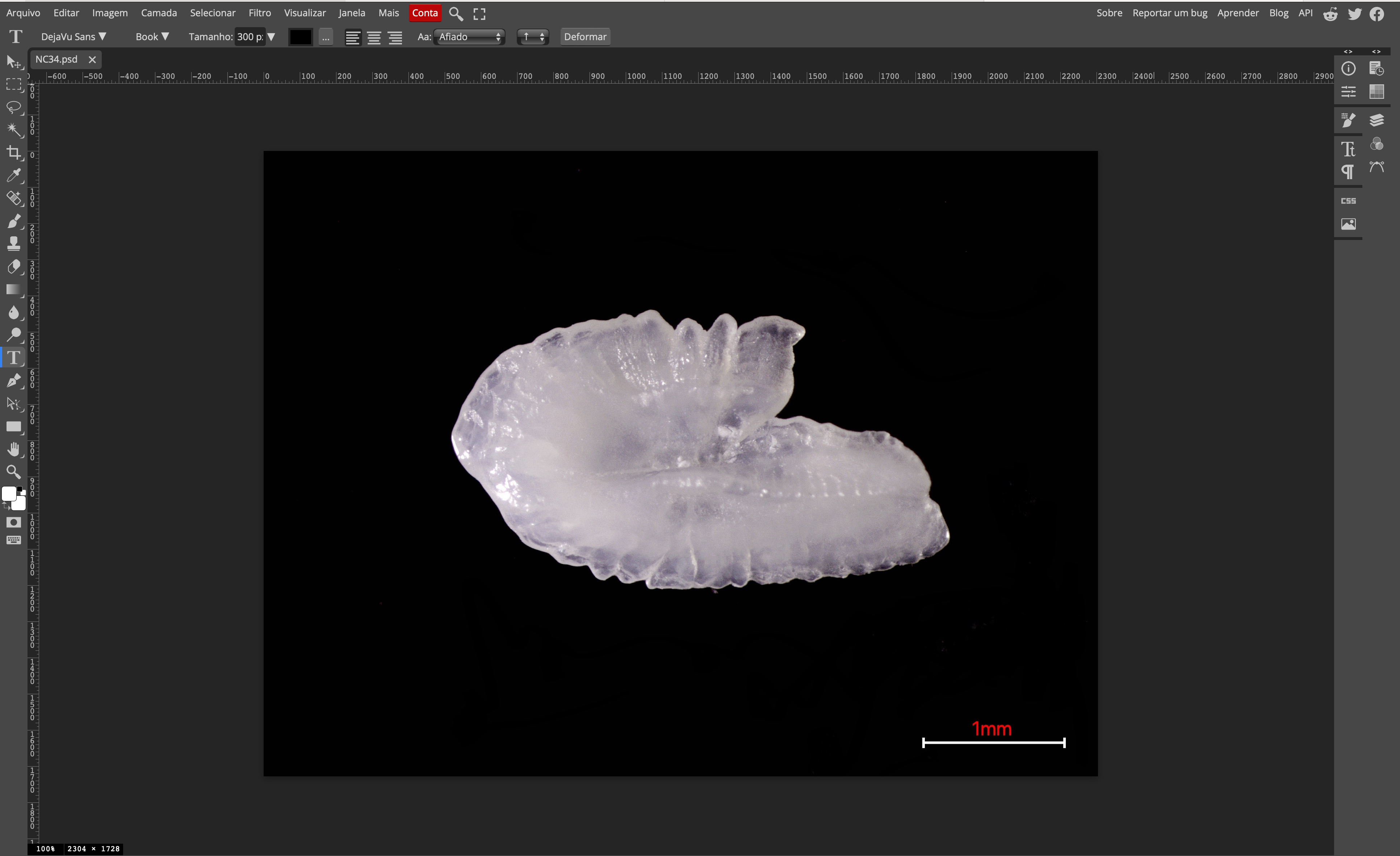
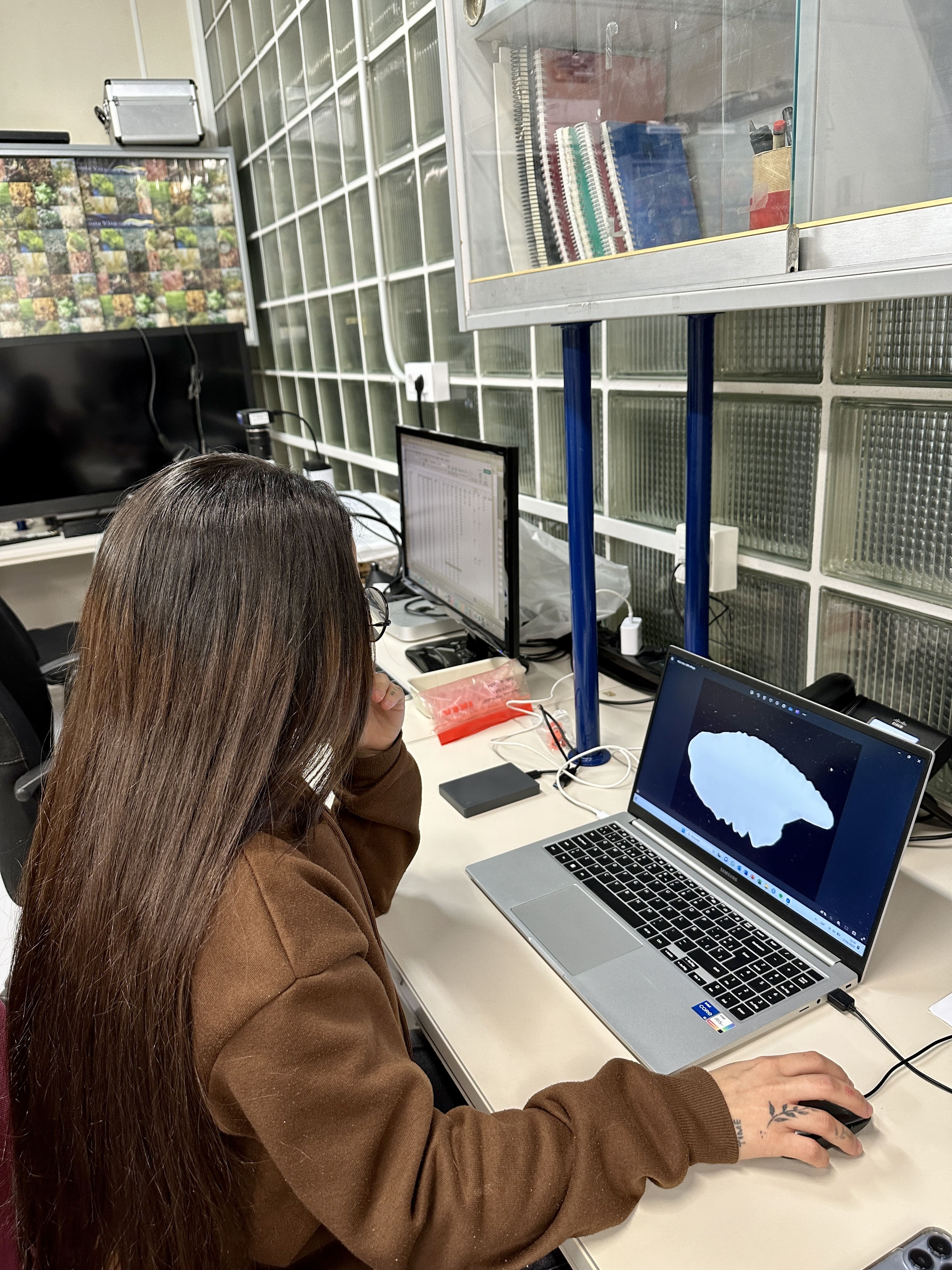
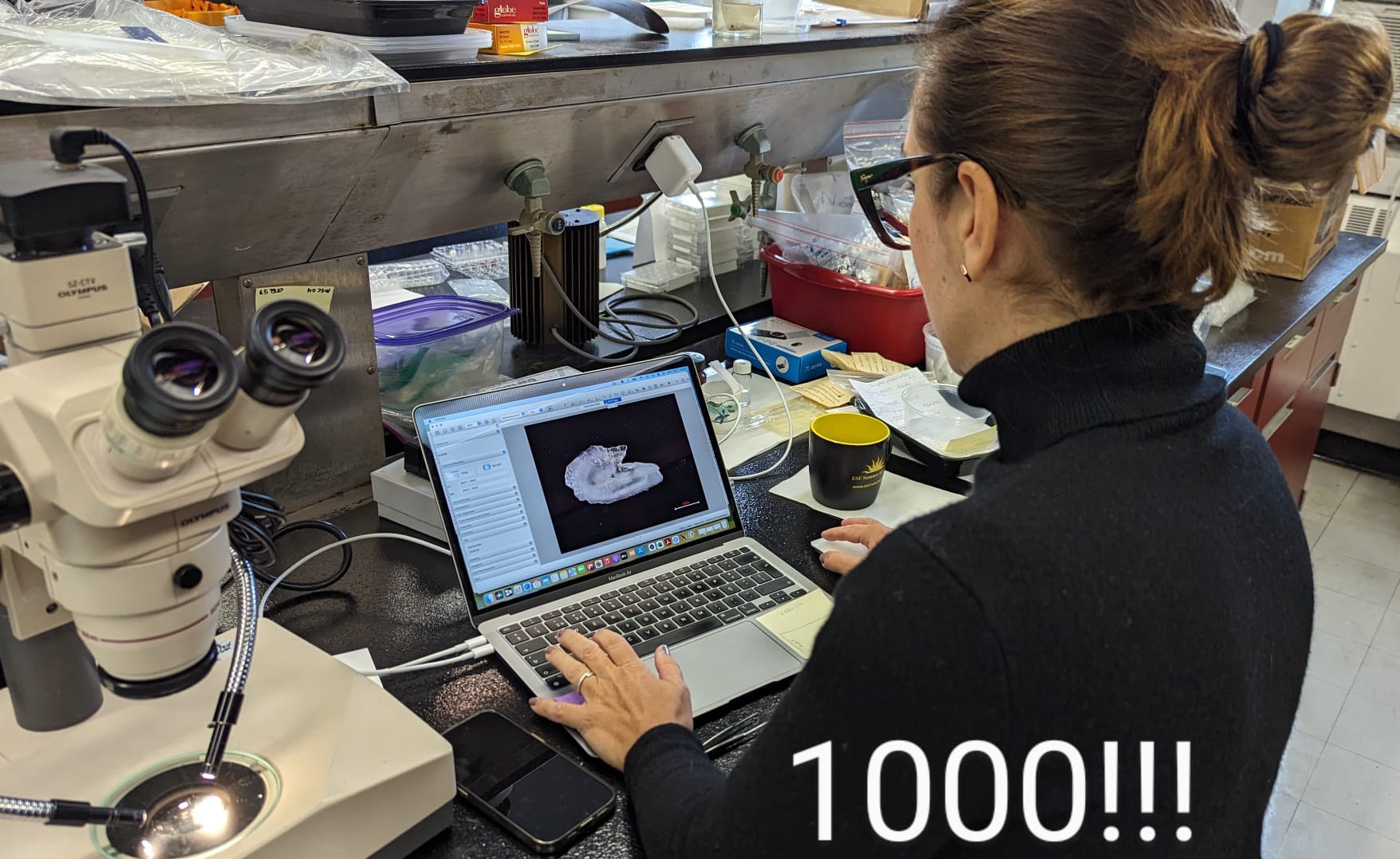
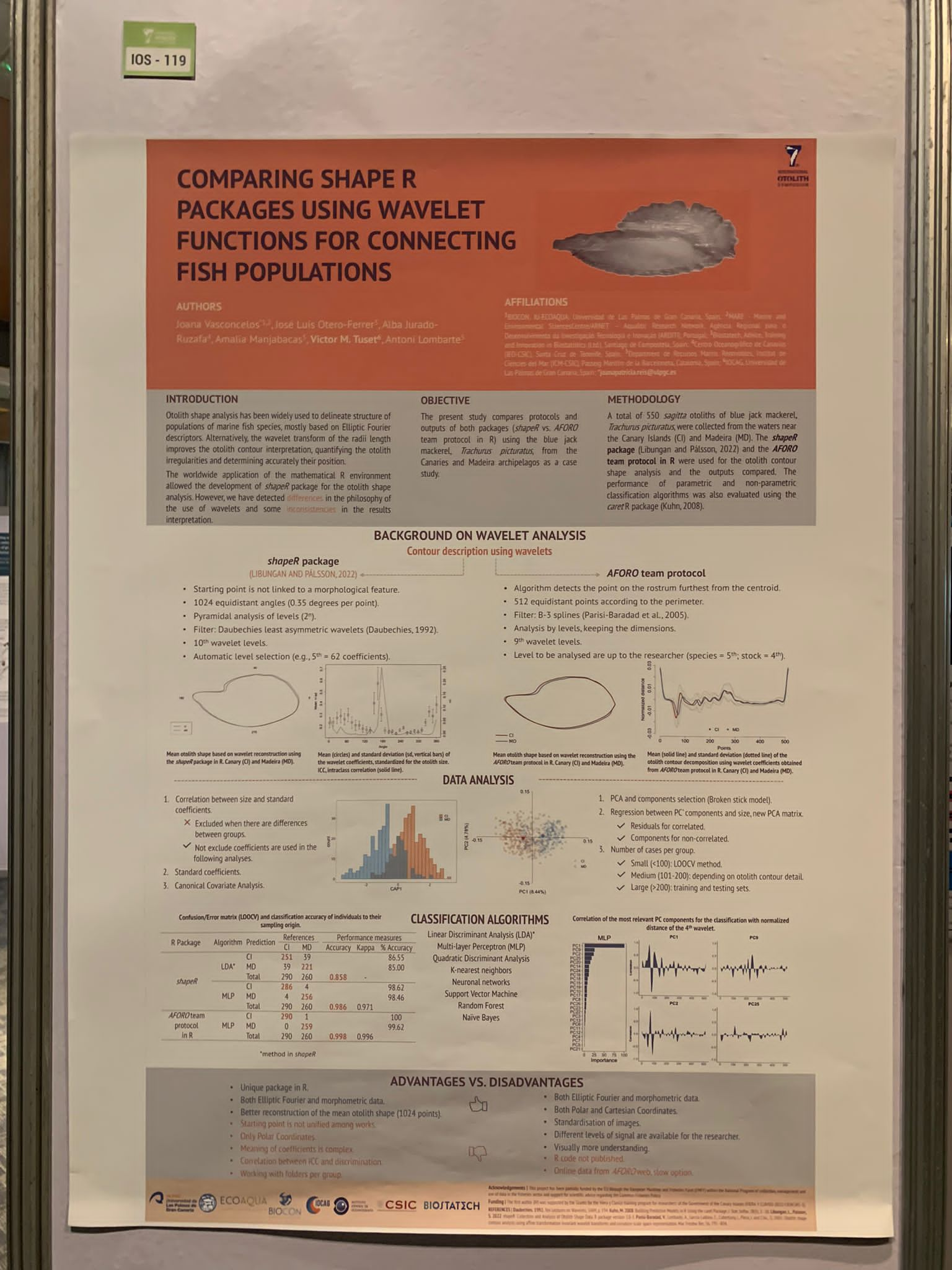
New paper: using wavelet-based otolith contour analysis, we found clear regional differentiation in blackbelly rosefish (Helicolenus dactylopterus) across the NE Atlantic and the NW Mediterranean, with classification rates above 94%.
Two main clusters separated African and European populations, and juvenile otoliths closely matched adult morphotypes.
These results refine population boundaries and support improved stock identification for sustainable fisheries management.