Research Projects
Selected funded projects and international research collaborations.
August T. Larsson Guest Researcher Programme
Visiting research programme at SLU focused on marine ecology and coastal ecosystems.
LAPACOM – FCT Project
Research project addressing marine biodiversity patterns, connectivity and ecological processes in coastal systems.
August T. Larsson
Guest Researcher Programme
Otolith Archives of Change: Ecotype Dynamics and Climate Stress in Baltic Herring and Cod

Project Info
| Name | Description |
|---|---|
| Title | Otolith Archives of Change: Ecotype Dynamics and Climate Stress in Baltic Herring and Cod |
| Programme | August T. Larsson Guest Researcher Programme |
| Funding Entity | Swedish University of Agricultural Sciences (SLU), August T. Larsson Foundation |
| Period | 2026–2028 |
| Guest Researcher | Dr. Joana Vasconcelos (IU-ECOAQUA, ULPGC) |
| Host Researcher | Dr. Yvette Heimbrand (SLU Aqua) |
| Host Institution | Swedish University of Agricultural Sciences (SLU), Department of Aquatic Resources, SLU Aqua |
| Amount funded | 638 844 SEK |
| Research visits | Up to two months per year during three years |
Aim
The project aims to use historical otolith archives to investigate how ecotype structure and climate-related environmental stress shape morphological variation in Baltic Sea fishes. Focusing on Atlantic herring (Clupea harengus) and Atlantic cod (Gadus morhua), the project will apply advanced otolith contour shape analysis to improve discrimination among ecotypes and morphotypes and to identify temporal morphological changes associated with environmental variability, particularly hypoxia, temperature, salinity and fisheries pressure.
Research framework
The project combines SLU's extensive historical otolith collections and long-term environmental monitoring datasets with wavelet-based approaches. Cartesian wavelet analyses will be used to quantify biologically informative features of otolith shape and distinguish known herring ecotypes, including spring- and autumn-spawning components, as well as cod morphotypes. Shape variation will then be integrated with environmental time series to assess whether observed morphological patterns reflect persistent ecotype structure or temporal plasticity associated with climate and ecosystem change.
Otolith Archives of Change · SLU Havsfiskelaboratoriet
As part of the August T. Larsson Guest Researcher Programme, I presented Otolith archives of change: fish identity, phenotypic variation and environmental stress at SLU Havsfiskelaboratoriet in Lysekil.
The talk introduced the main ideas behind the project and presented preliminary results on the use of otoliths to investigate phenotypic variation and biological responses to environmental stress in marine fishes.
View presentation & photos →SLU Aqua · Öregrund, Sweden
Two-month research stay at SLU Aqua, working alongside Yvette Heimbrand and developing new collaborative research within my current research framework.
View research stay & video →FCT Project
APPROVED
Metacommunity dynamics of complex life cycle species in exploited ecosystems, EXPL/MAT-APL/0262/2021.

Project Info
| Name | Description |
|---|---|
| Title | Metacommunity dynamics of complex life cycle species in exploited ecosystems |
| Reference | EXPL/MAT-APL/0262/2021 |
| Project Acronym | LAPACOM |
| Funding Entity | Fundação para a Ciência e a Tecnologia |
| Amount funded | 49.833,51€ |
| Starting Date | 01/12/2021 |
| Duration | 24 months |
| Principal Researcher | Dr. Joana Vasconcelos (UMa) |
| Co-Principal Researcher | Dr. Rodrigo Riera (IU-ECOAQUA, ULPGC) |
| Research Team | Dr. Carlos Melián (EAWAG), Dr. Ricardo Sousa (DRM), Eros Geppi (Grant), João Ferro (Grant) |
| Research Associates | Dr. Ali Vahdati (University of Zurich, Subcontract), Dr. Víctor M. Eguíluz (IFISC (UIB-CSIC)) |
Institutions
Beneficiary
- UMa - University of Madeira.
Others
- IU-ECOAQUA® - University Institute of Aquaculture and Sustainable Marine Ecosystems.
- Eawag - Swiss Federal Institute of Aquatic Science and Technology.
- DRM - Regional Directorate for the Sea.
Aim
The main purpose of the present proposal is to explore complex life cycles in metacommunities to predict future scenarios in human-exploited ecosystems.
Background
Human sprawl is all over the globe, affecting most species on Earth. Ecosystems are becoming increasingly fragmented, causing habitat loss and species ranges reduction through shifts on the structure, diversity, dynamics, species composition and recruitment rates of communities. Most metacommunity studies have explored biodiversity dynamics considering simple lifecycles. Yet, the effects of habitat loss and exploitation on complex life cycles species in metacommunities are currently unknown.
Research plan
We propose a project combining experiments, database analysis and modeling from intertidal metacommunities as a case study to explore future trajectories in fragmented and exploited ecosystems accounting for spatial structure, complex life cycles, migration and demographic processes. This will be achieved by focusing on three main objectives: (1) Infer how complex life cycles are influencing persistence trajectories along disturbed metacommunities; (2) Interpreting the role of human-exploitation on spatial synchrony and extinction probability; and (3) Explore diversity patterns at intra-and inter-specific level to disentangle the role of the spatial structure in predicting metacommunity persistence.
Project Tasks
- Task 1: Project Management
- Task 2: Fecundity Estimation
- Task 3: Data Standardization
- Task 4: Formulation of the Model Structure and Implementation of the Model in Open Software
- Task 5: Parametrisation and Simulations of the Different Scencarios of the Modelling in a Workstation
- Task 6: Model-Data-Comparisons using Approximate Bayesian Computation (ABC) Methods
- Task 7: Generation of Jupiter Notebook to Facilitate Reproducibility of the Whole Modelling and Model-Data Cycle
- Task 8: Outreach and Dissemination Actions
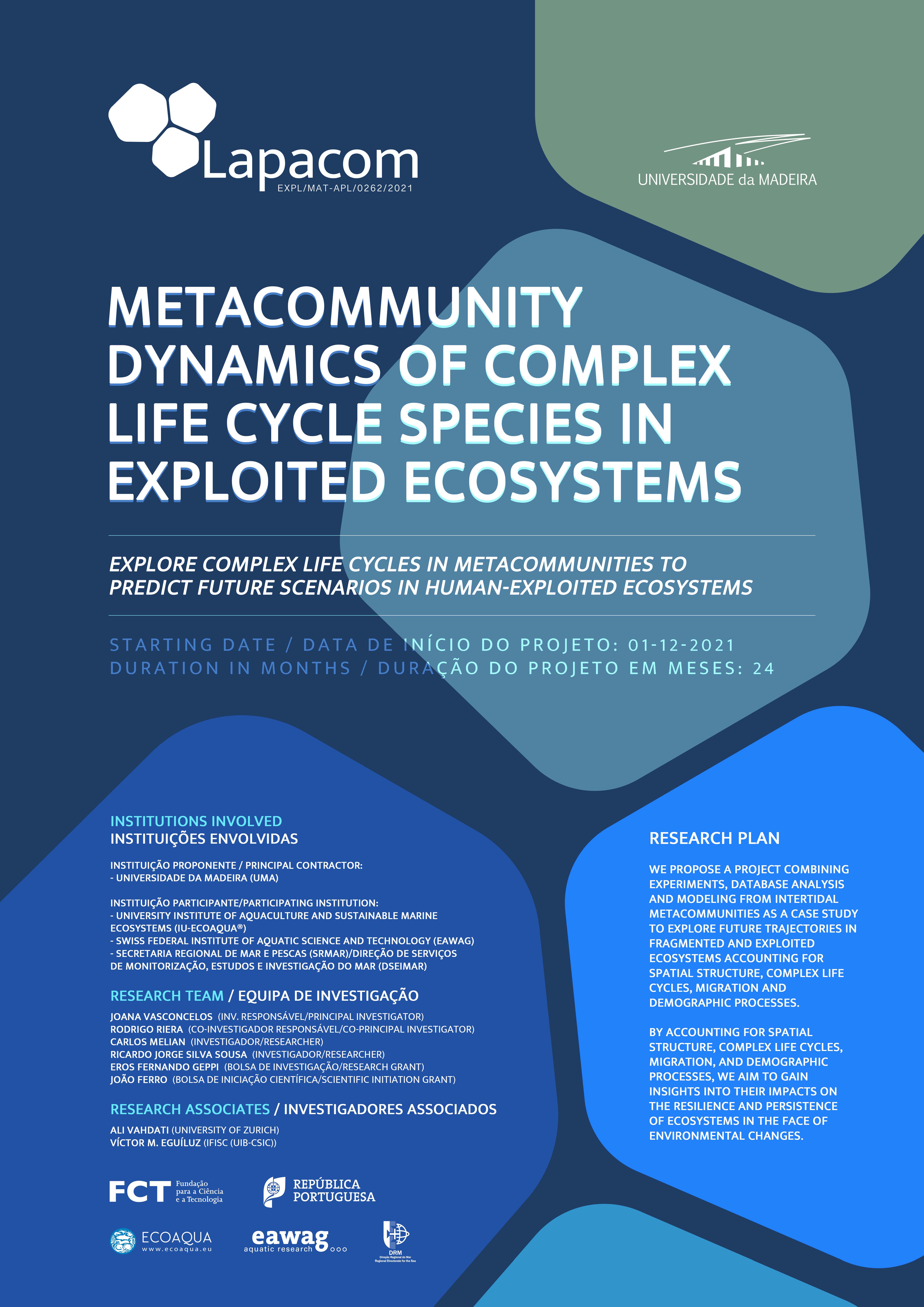
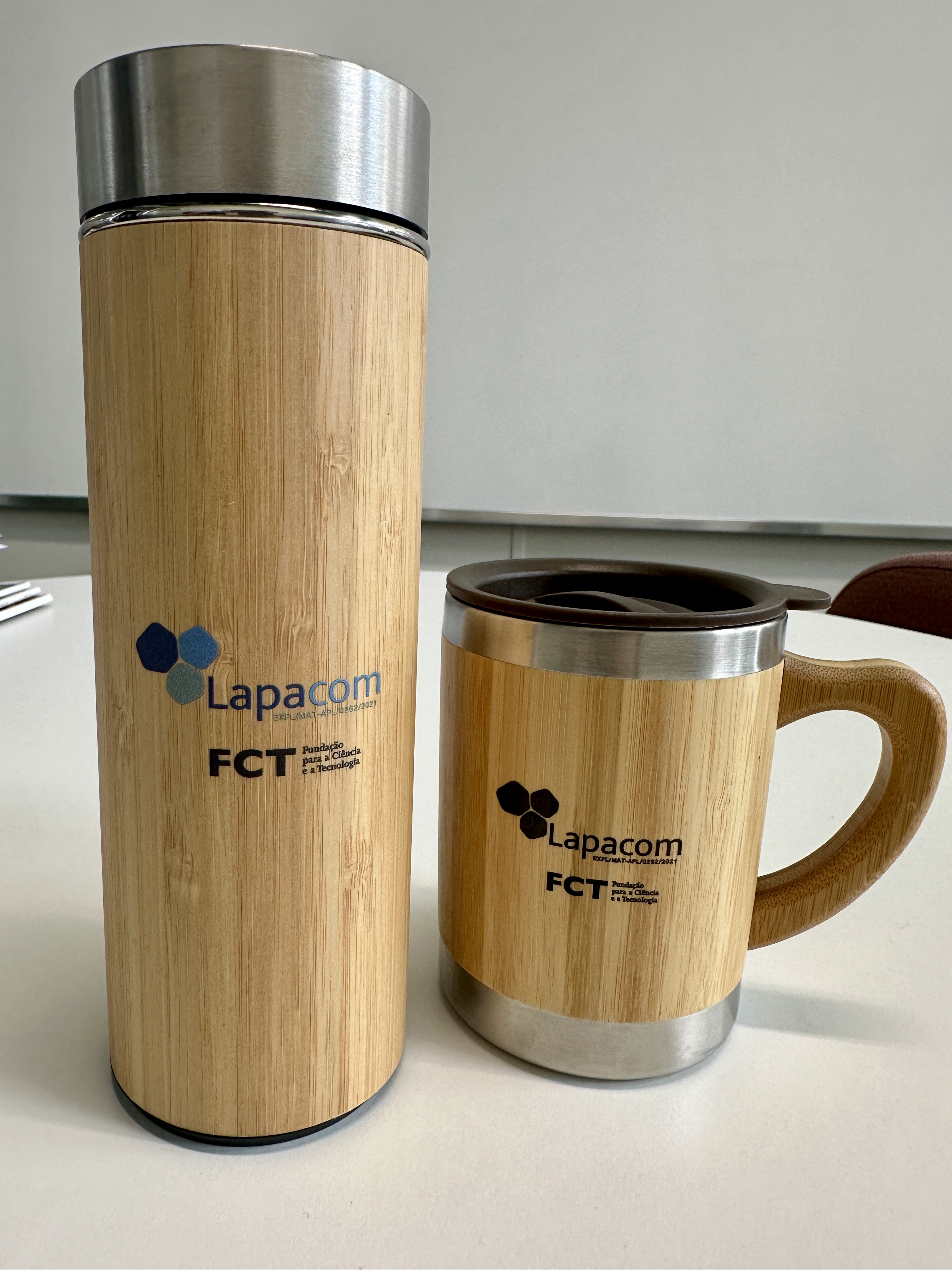
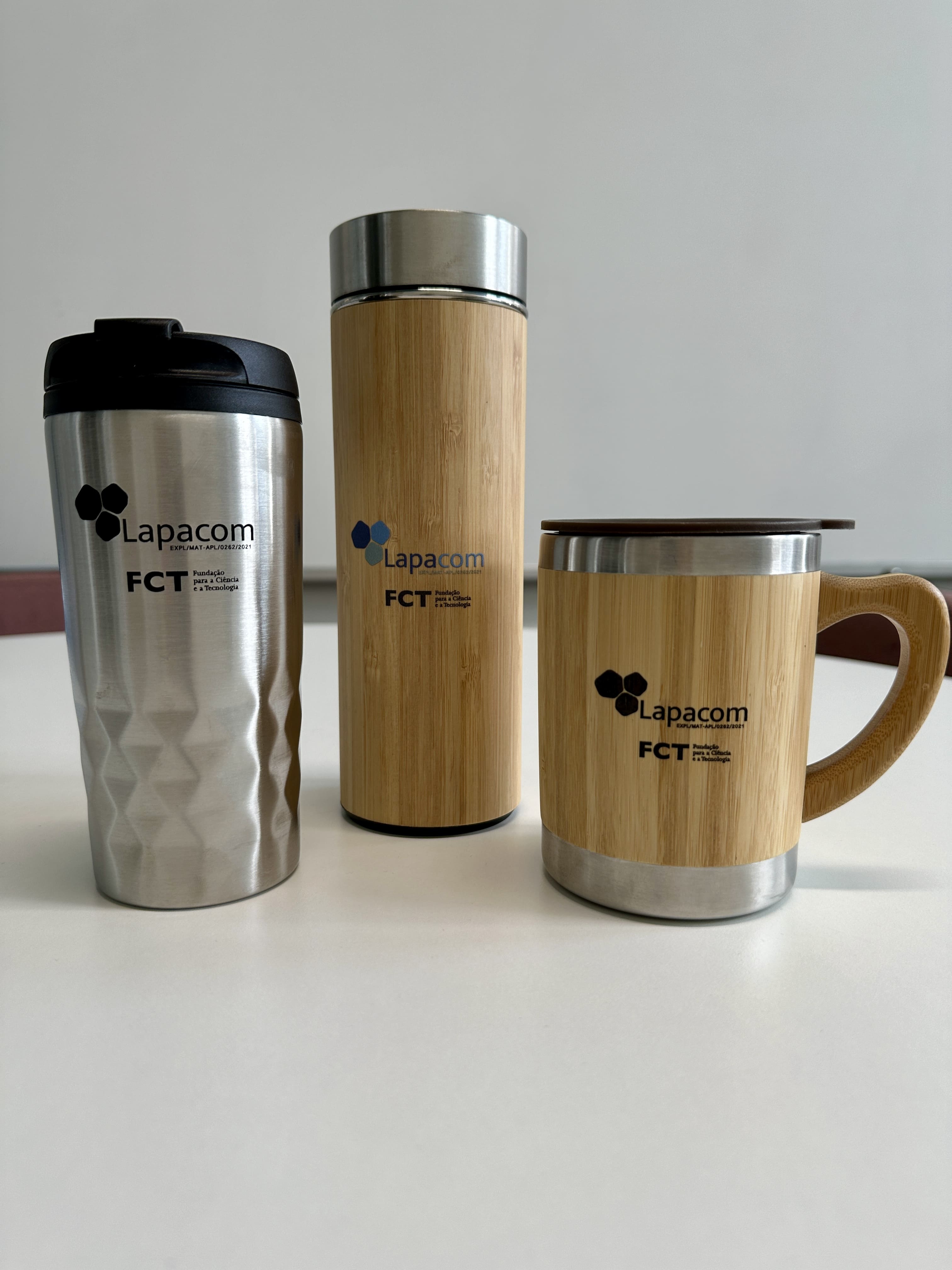
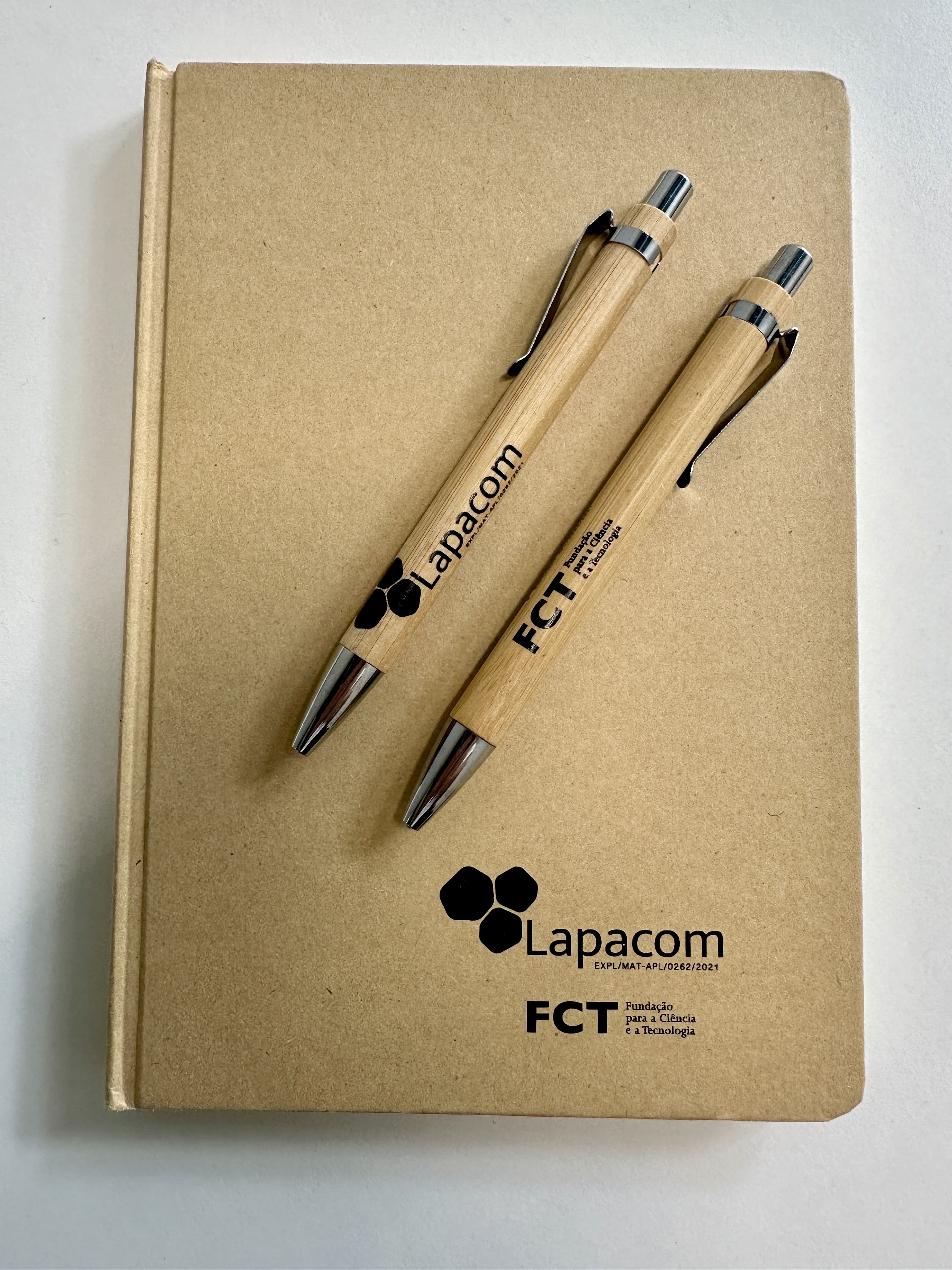
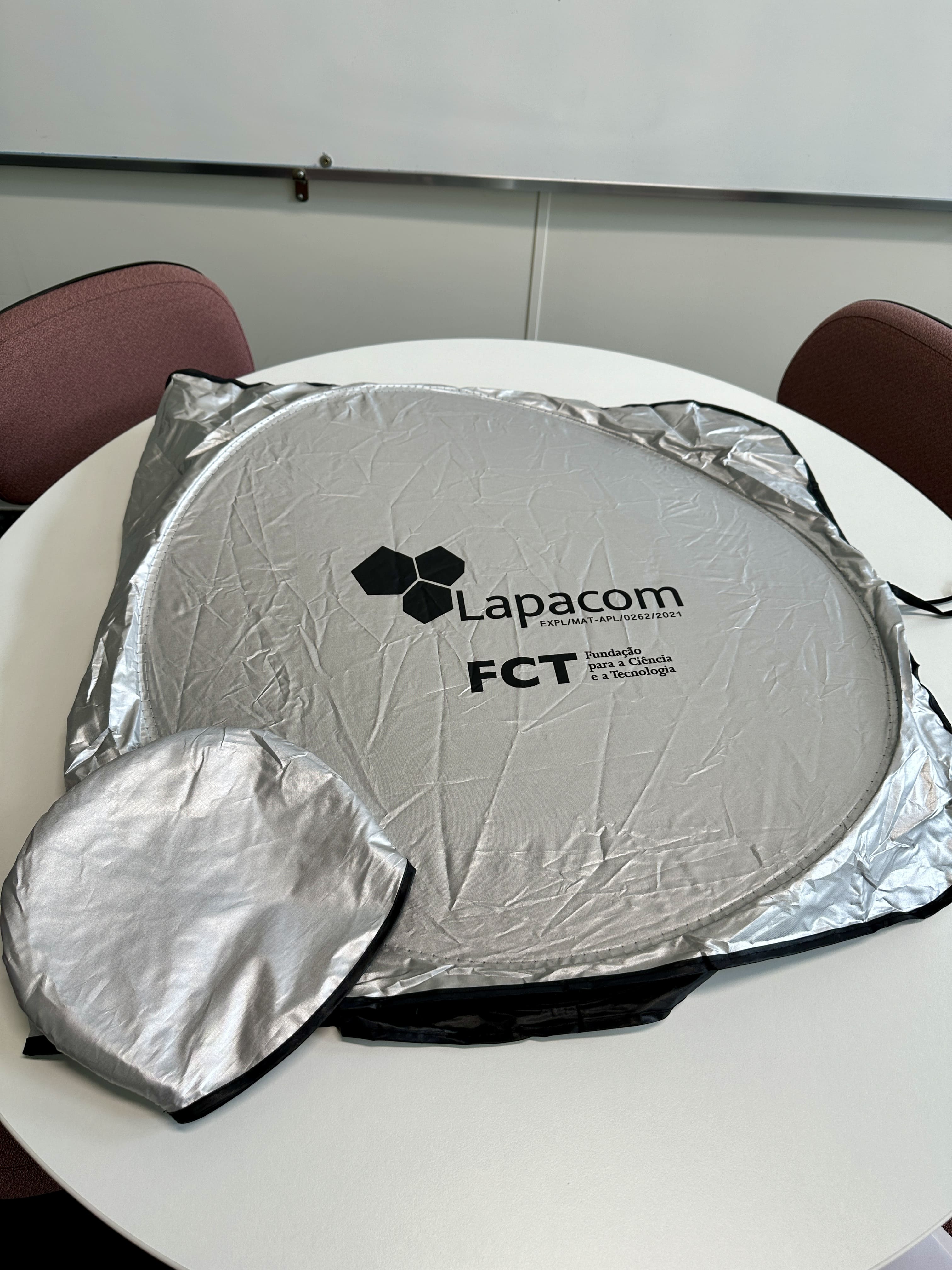
LAPACOM's Promotional Marketing
(FCT, EXPL/MAT-APL/0262/2021)
Publications to Disseminate Project Results
Scientific publications, conference contributions and outreach outputs arising from LAPACOM.

Ferro, J., Sousa, R., Riera, R., Freitas, M., Vasconcelos, J. 2022. Fecundity strategy of the highly exploited limpet Patella ordinaria from an oceanic archipelago. International Symposium on Artisanal and Recreational Fishing in Islands Systems: Assessment, Vulnerabilities and Management (IS-AR-FIS), Las Palmas de Gran Canaria, 6th-8th July 2022.
DOI: 10.13140/RG.2.2.26203.34088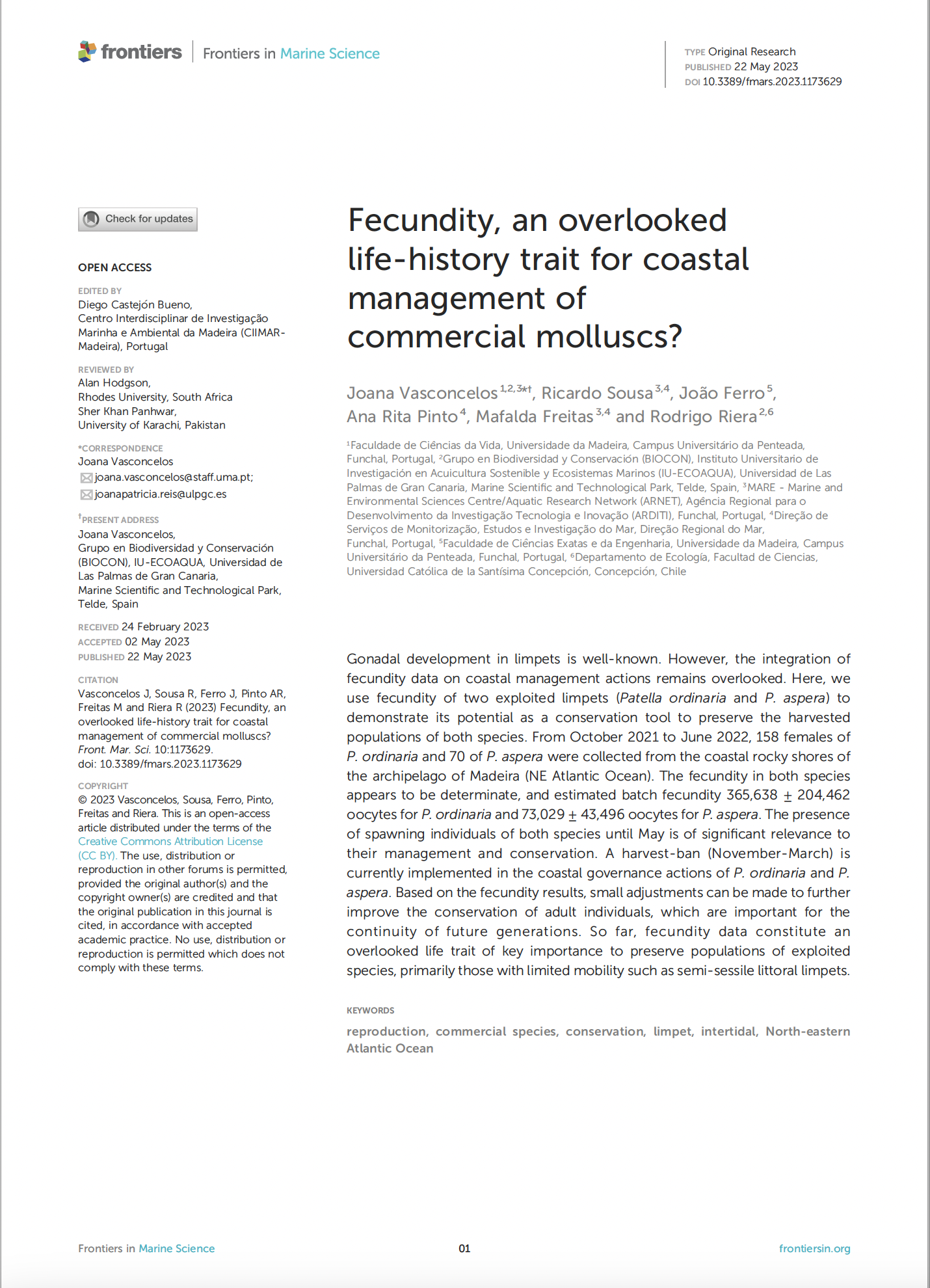
Vasconcelos, J., Sousa, R., Ferro, João, Pinto, A.R., Freitas, M., Riera, R. 2023. Fecundity, an overlooked life-history trait for coastal management of commercial molluscs? Frontiers in Marine Science 10, 1173629.
DOI: 10.3389/fmars.2023.1173629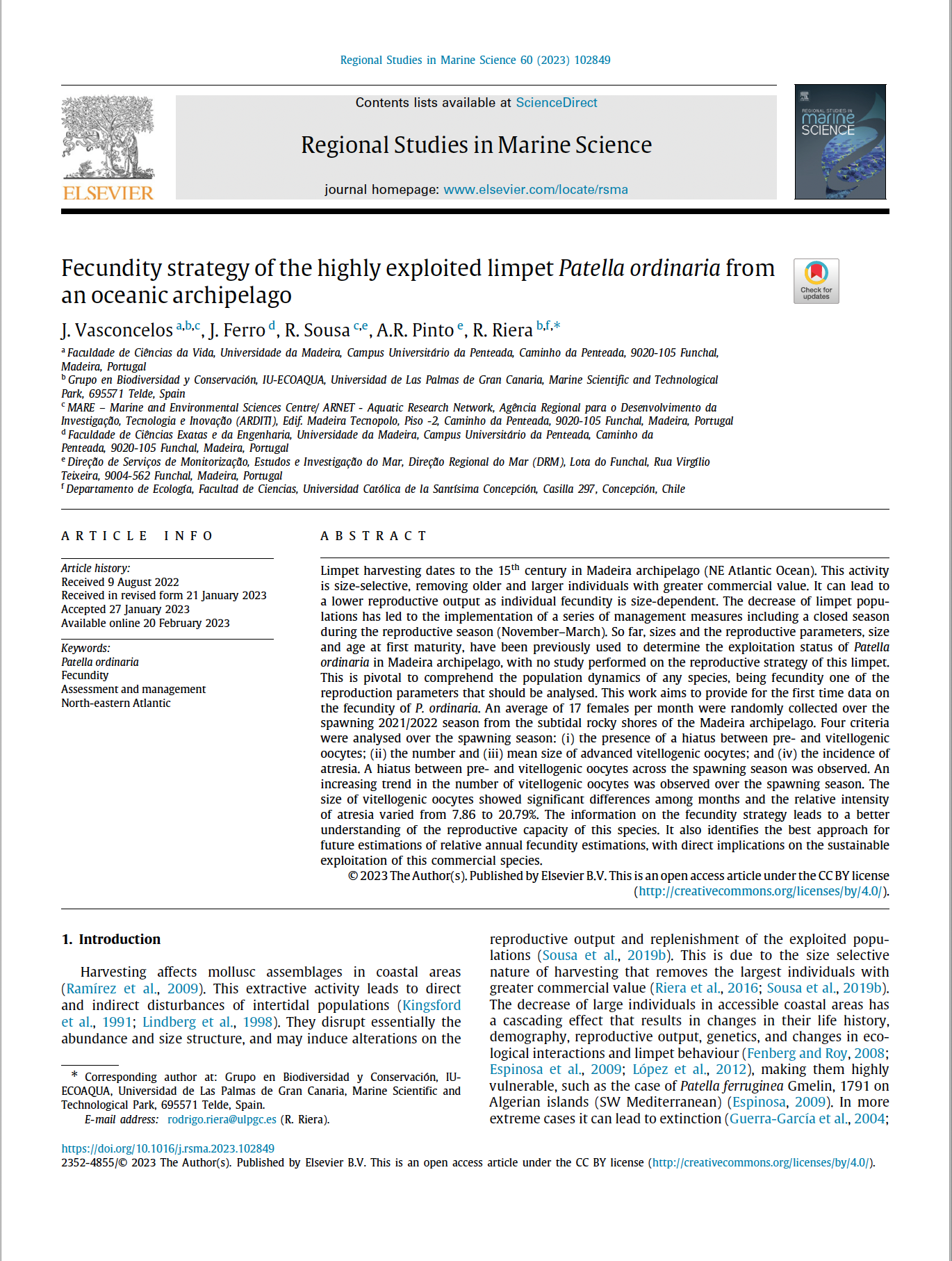
Vasconcelos, J., Ferro, João, Sousa, R., Pinto, A.R., Riera, R. 2023. Fecundity strategy of the highly exploited limpet Patella ordinaria from an oceanic archipelago. Regional Studies in Marine Science 60, 102849.
DOI: 10.1016/j.rsma.2023.102849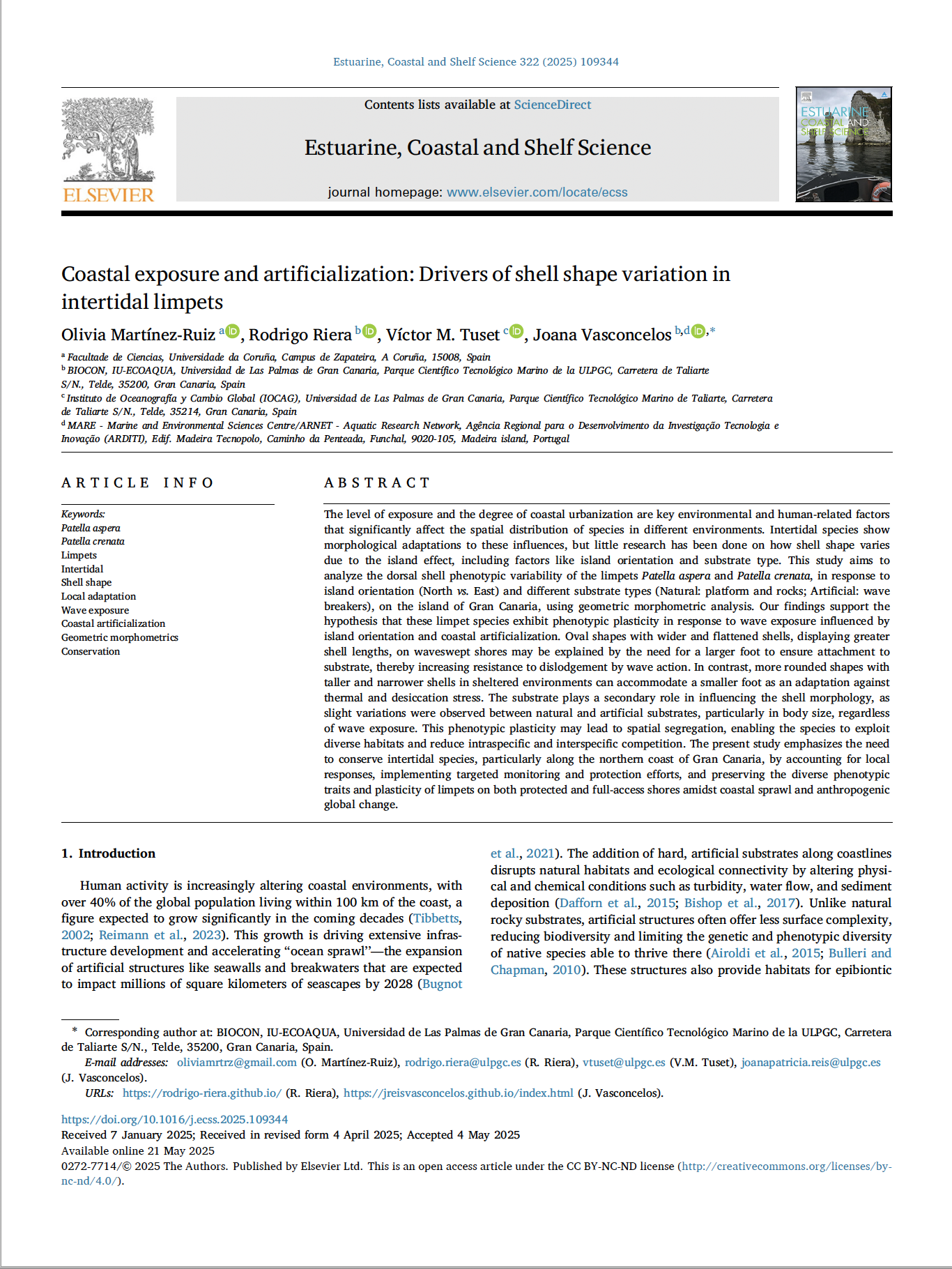
Martínez Ruiz, O., Riera, R., Tuset, V.M., Vasconcelos, J. 2025. Coastal exposure and Artificialization: Drivers of Shell Shape Variation in Intertidal Limpets. Estuarine, Coastal and Shelf Science 322C, 109344.
DOI: 10.1016/j.ecss.2025.109344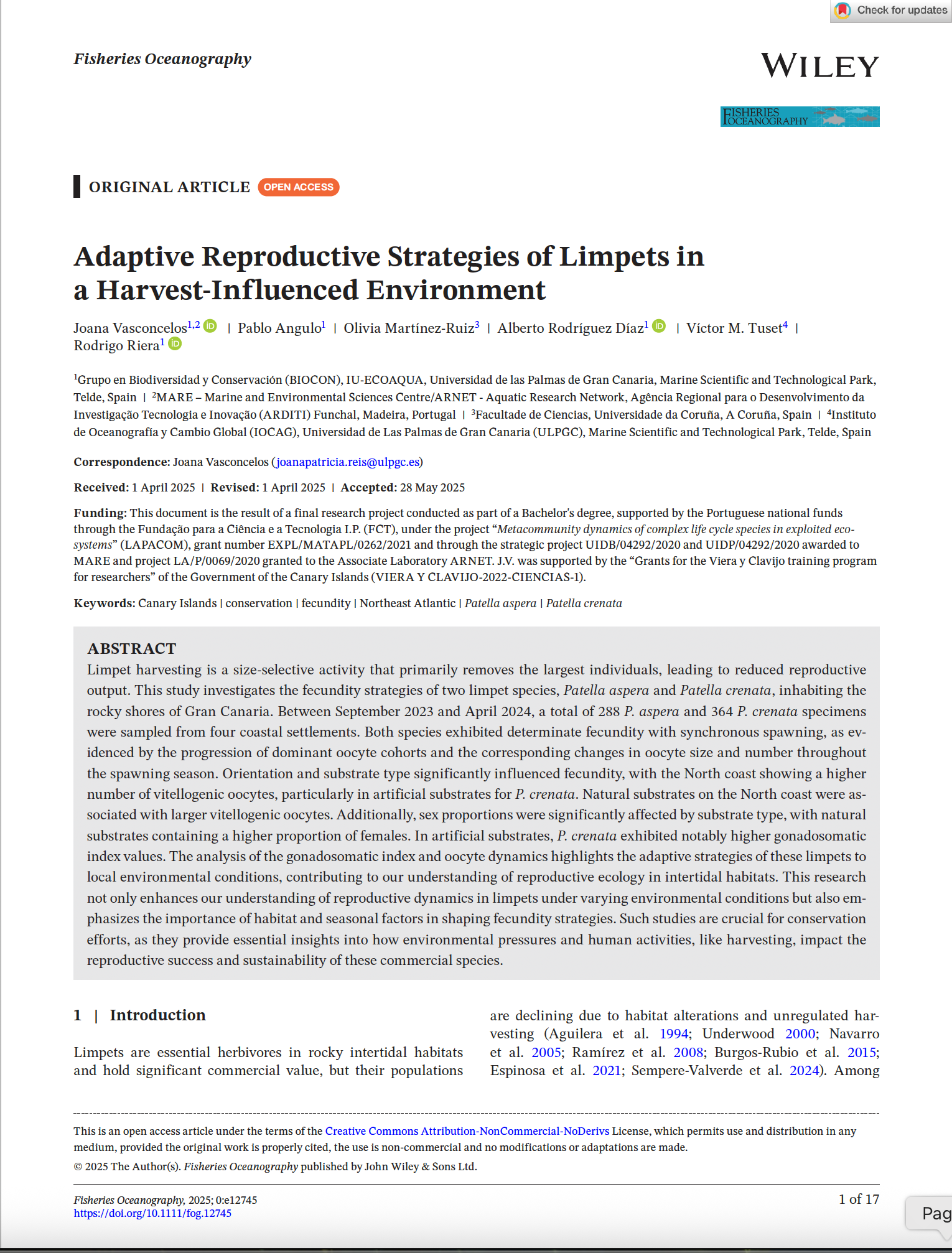
Vasconcelos, J., Angulo, P., Martínez-Ruiz, O., Díaz, A.R., Tuset, V.M. 2025. Adaptive Reproductive Strategies of Limpets in a Harvest-Influenced Environment. Fisheries Oceanography, e12745.
DOI: 10.1111/fog.12745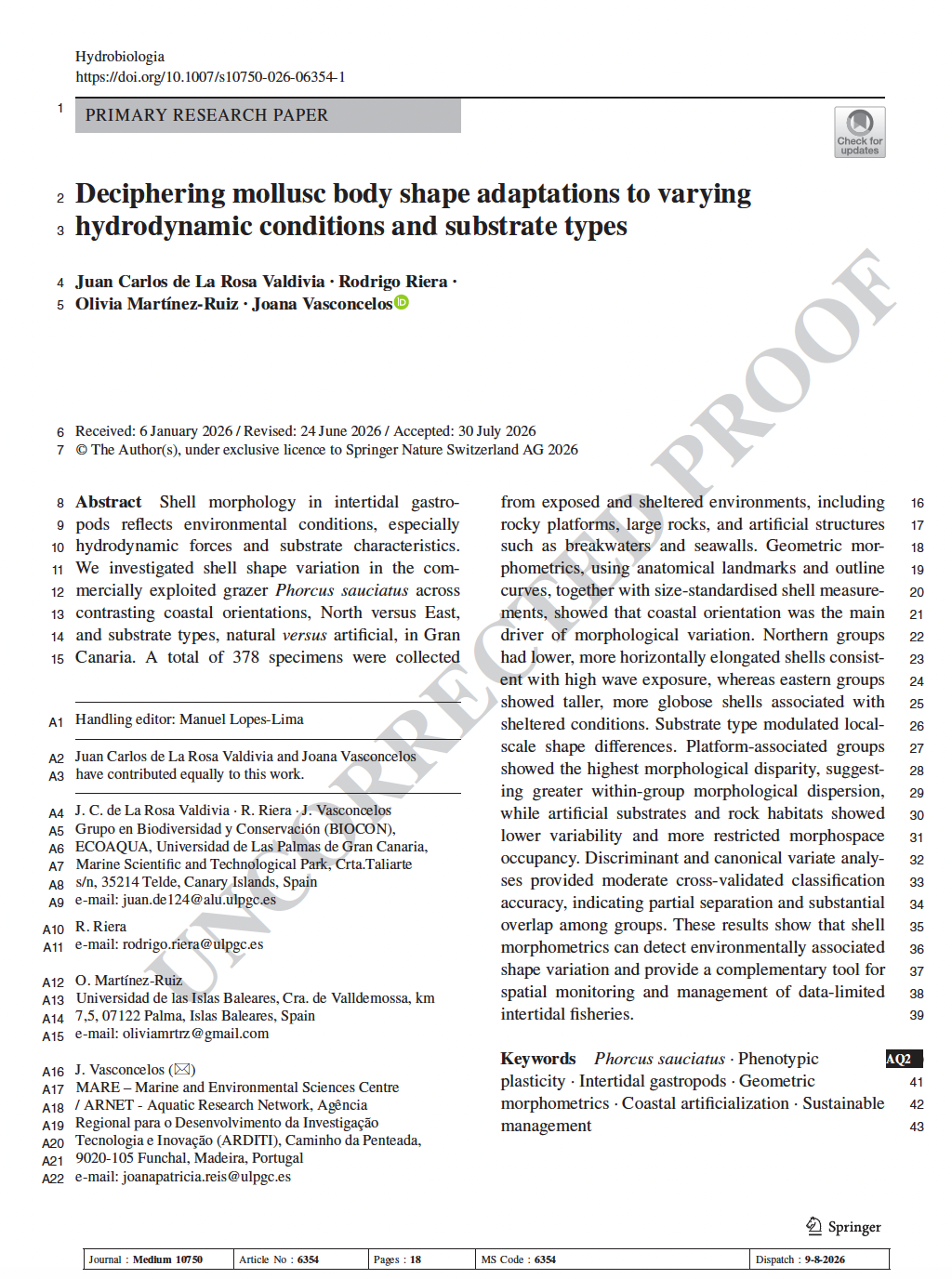
Rosa-Valdivia, J.C., Riera, R., Martínez Ruiz, O., Vasconcelos, J. 2026. Deciphering Mollusc Body Shape Adaptations to Varying Hydrodynamic Conditions and Substrate types. Hydrobiologia.
DOI: 10.1007/s10750-026-06354-1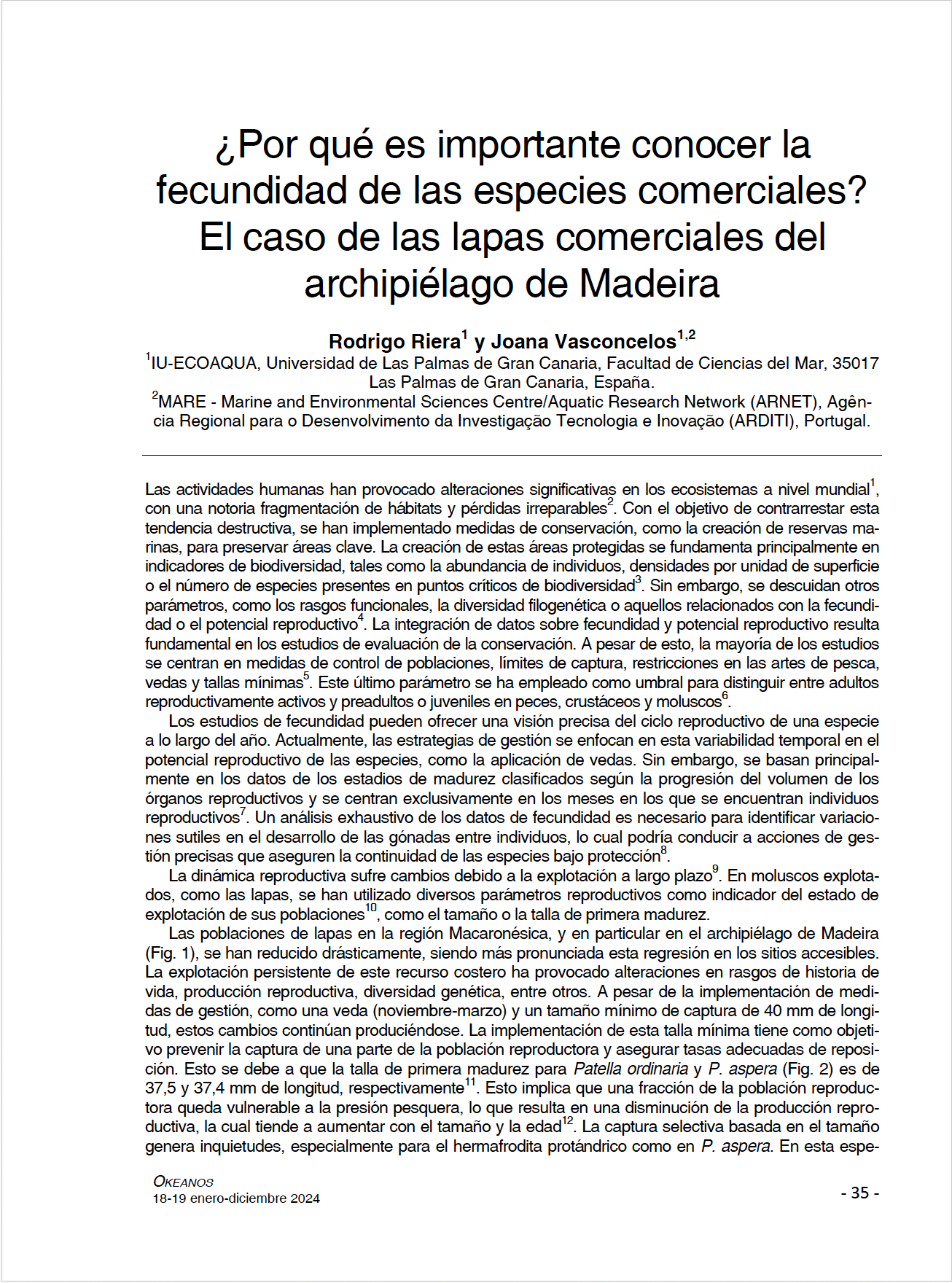
Riera, R., Vasconcelos, J. 2024. ¿Por qué es importante conocer la fecundidad de especies comerciales? El caso de las lapas comerciales del archipiélago de Madeira. Rev. Soc. Atlant. Oceanog. Okeanos 18-19 (enero-diciembre), 35-38.
View article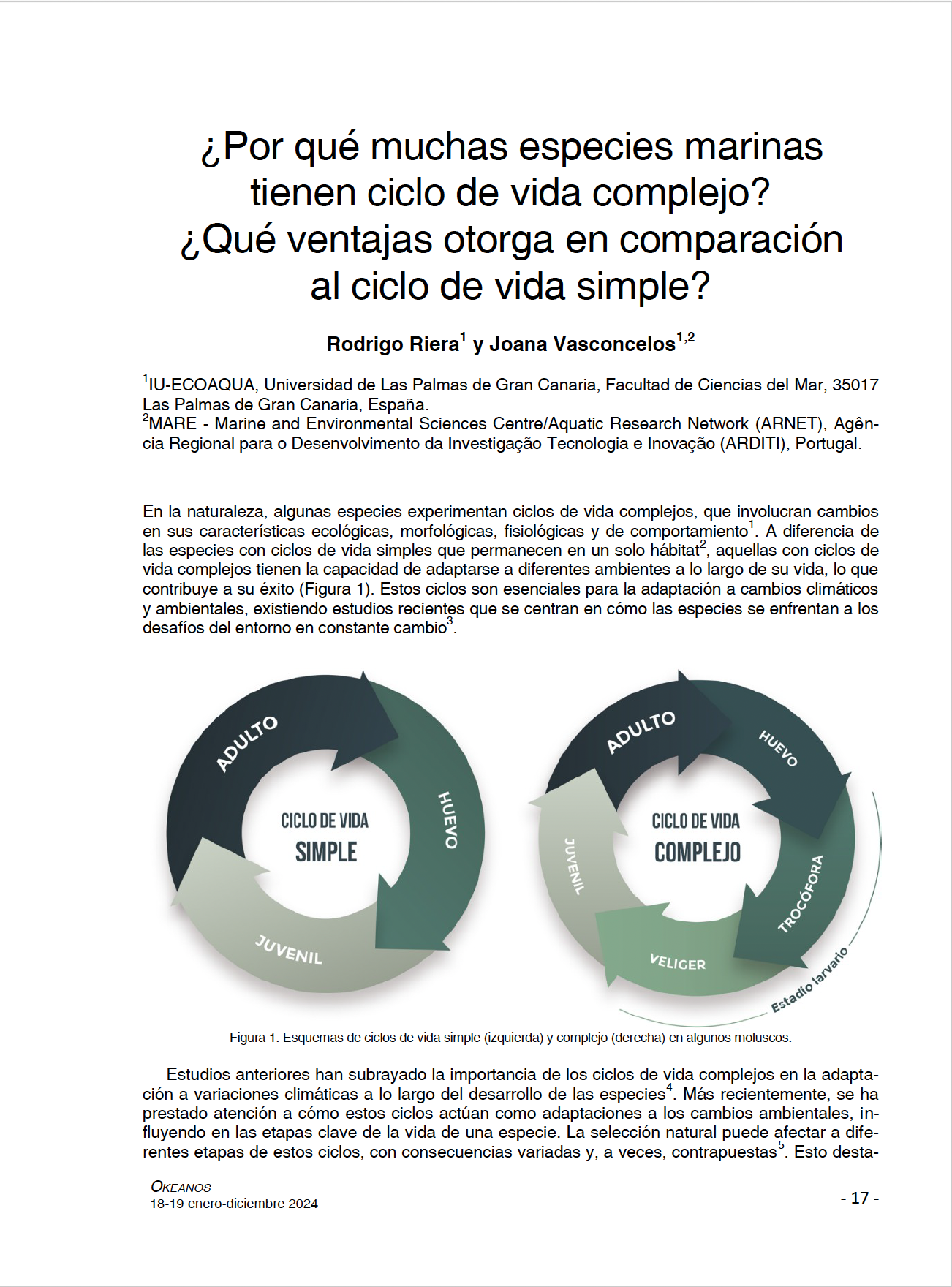
Riera, R., Vasconcelos, J. 2024. ¿Por qué muchas especies marinas tienen ciclo de vida complejo? ¿Qué ventajas otorga en comparación al ciclo de vida simple? Rev. Soc. Atlant. Oceanog. Okeanos 18-19 (enero-diciembre), 17-19.
View articleFinal Theses
Undergraduate and Master's theses developed within the scientific framework of LAPACOM.
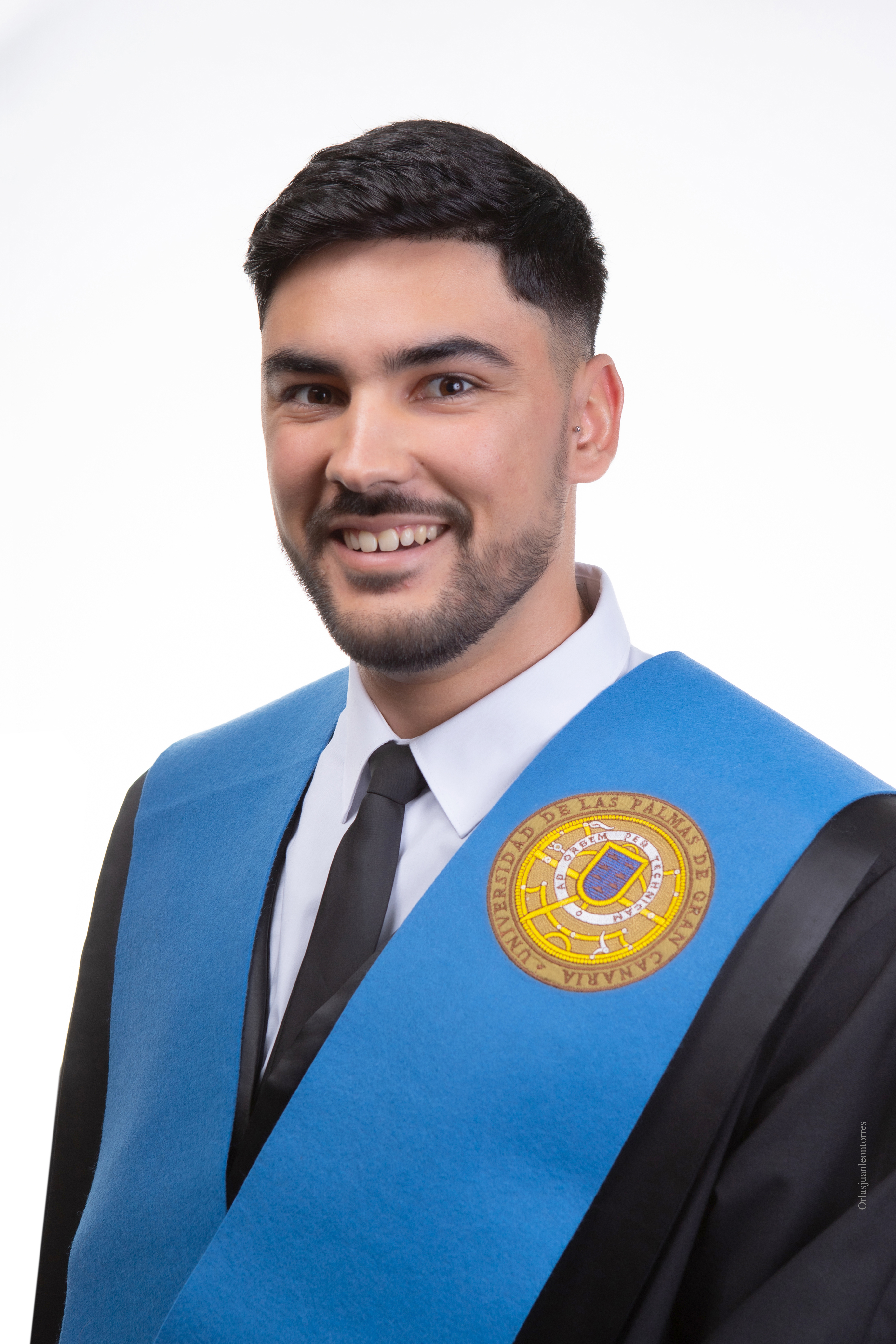
Pablo Jesús Angulo Falcón
Fecundity strategy in Patella aspera and Patella crenata from the Canary Islands (NE Atlantic)
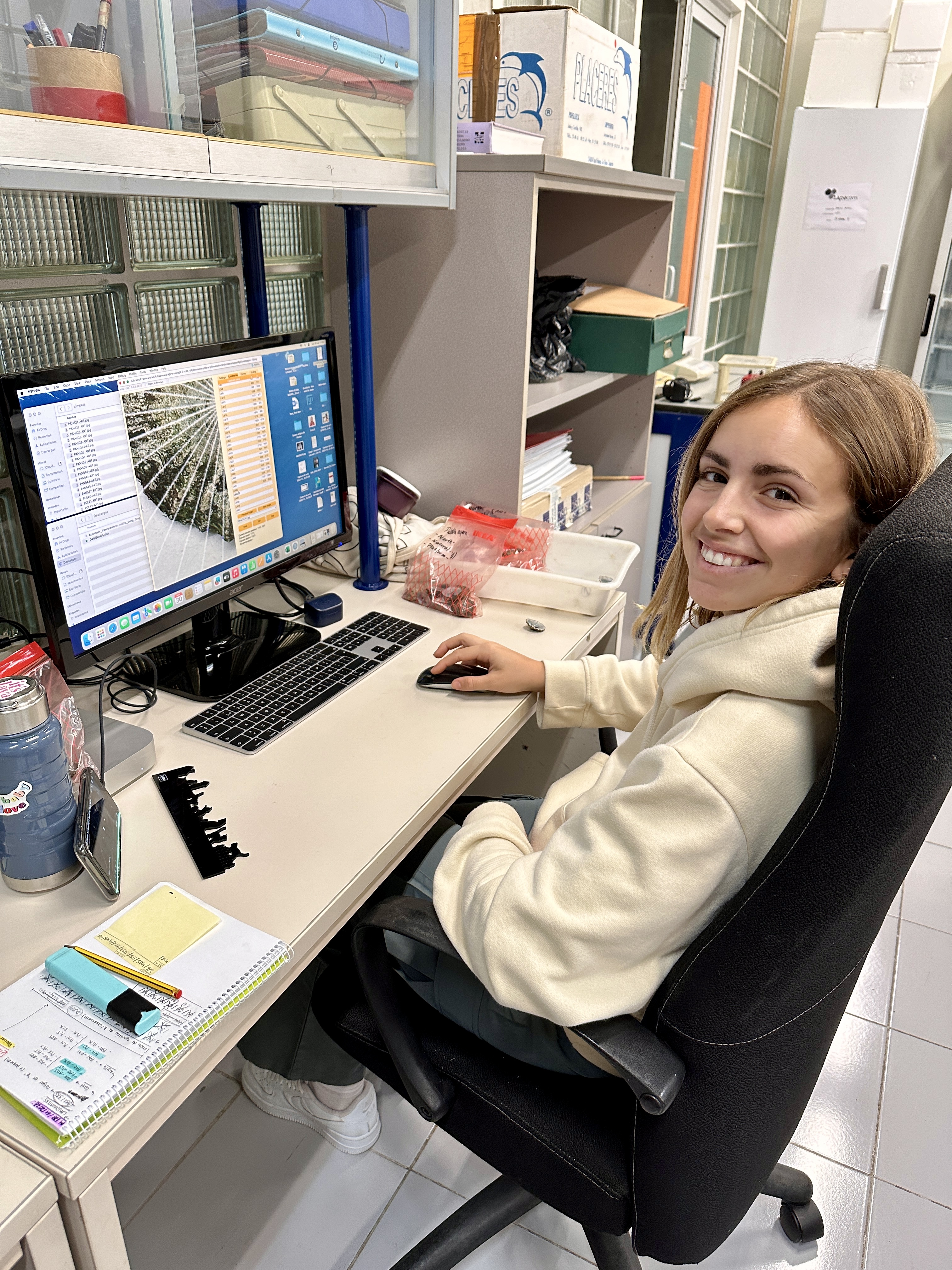
Olivia Martínez Ruiz
Unravelling the key environmental drivers in the limpets of a highly anthropogenised region
João Paulo Silva Ferro
Fecundity Regulation Strategy of the Limpet, Patella ordinaria, of Madeira Island (NE Atlantic)
Project News & Activities
Workshops, scientific meetings, outreach activities and dissemination actions developed within LAPACOM.
LAPACOM in the Local News
Radio Television Canaria · Canary Islands
Our LAPACOM project, funded by FCT, featured in the local news in the Canary Islands through Radio Television Canaria (RTVC).
LAPACOM Timeline Video & Outputs
FCT · EXPL/MAT-APL/0262/2021
A visual timeline presenting the development and main outputs of the LAPACOM project.
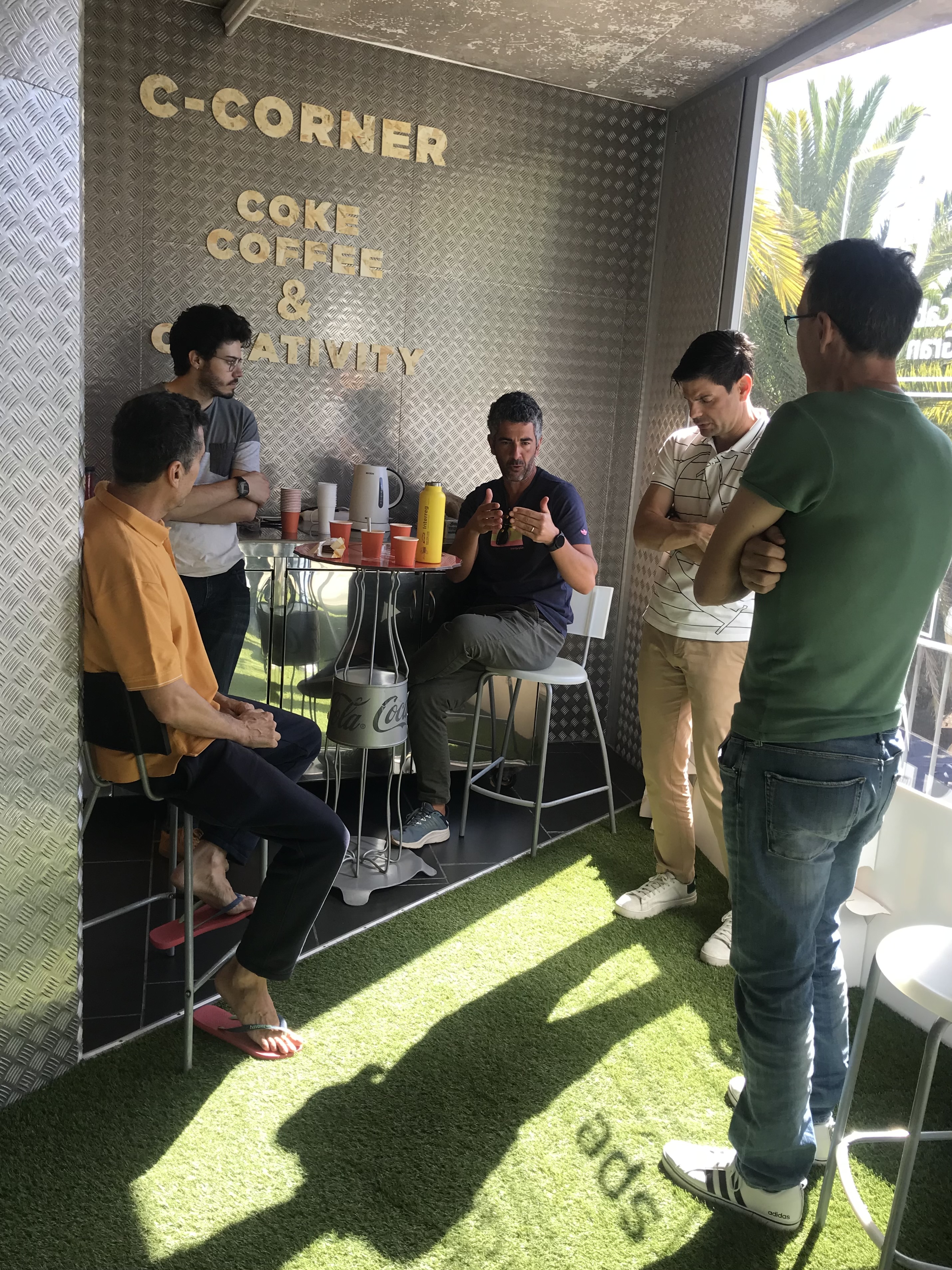
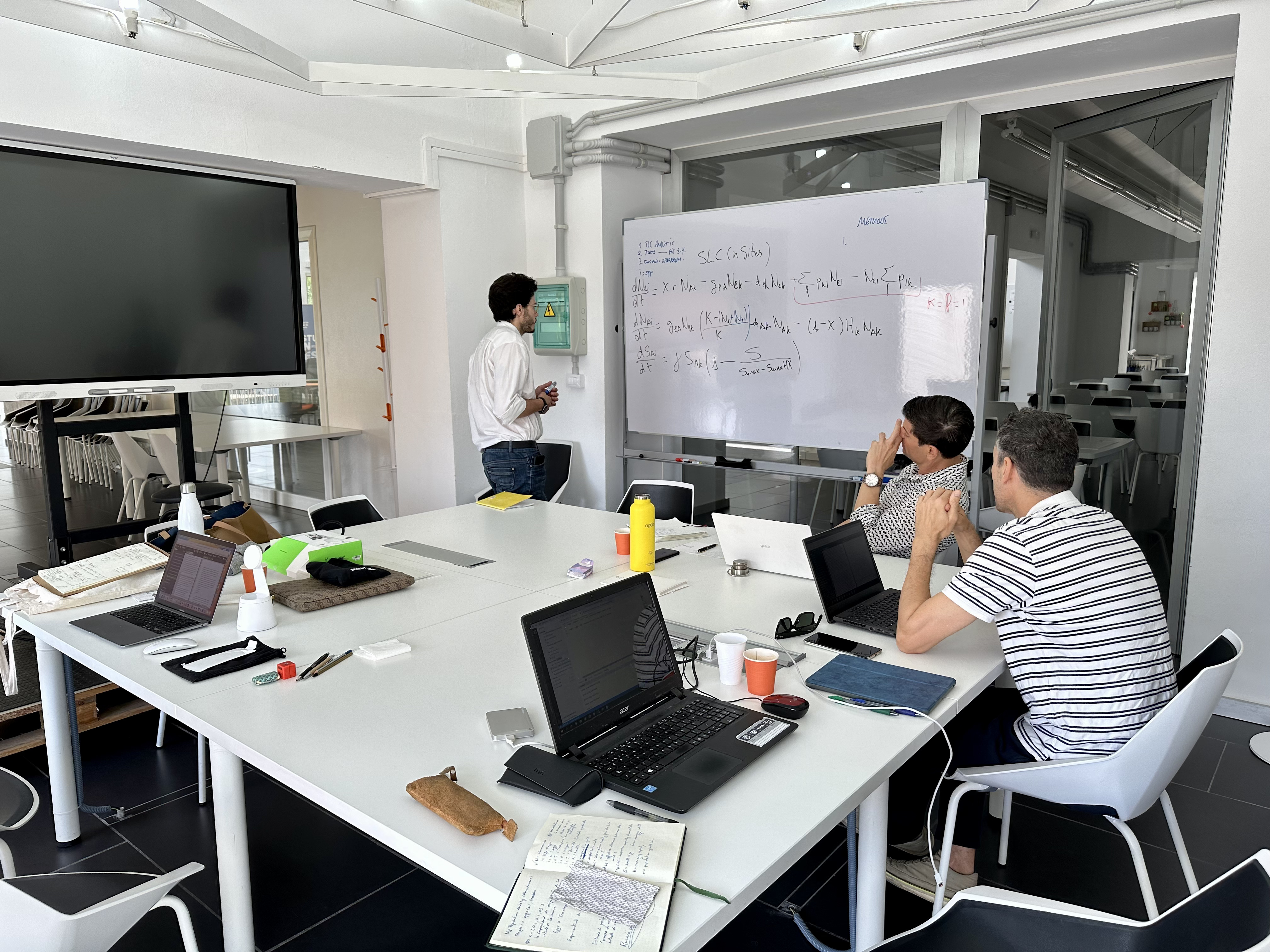
4th LAPACOM Project Meeting & Workshop
University of Las Palmas de Gran Canaria
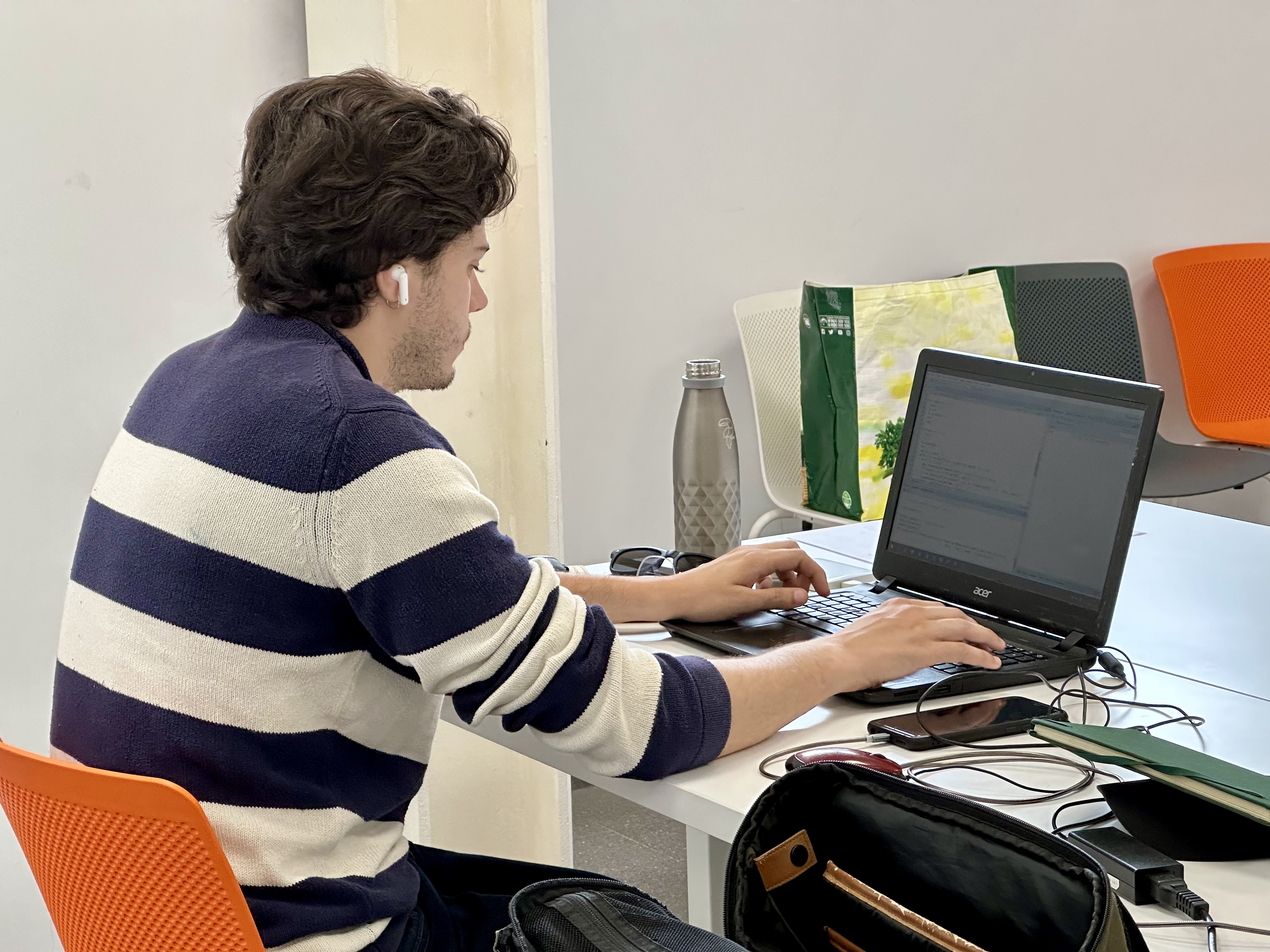
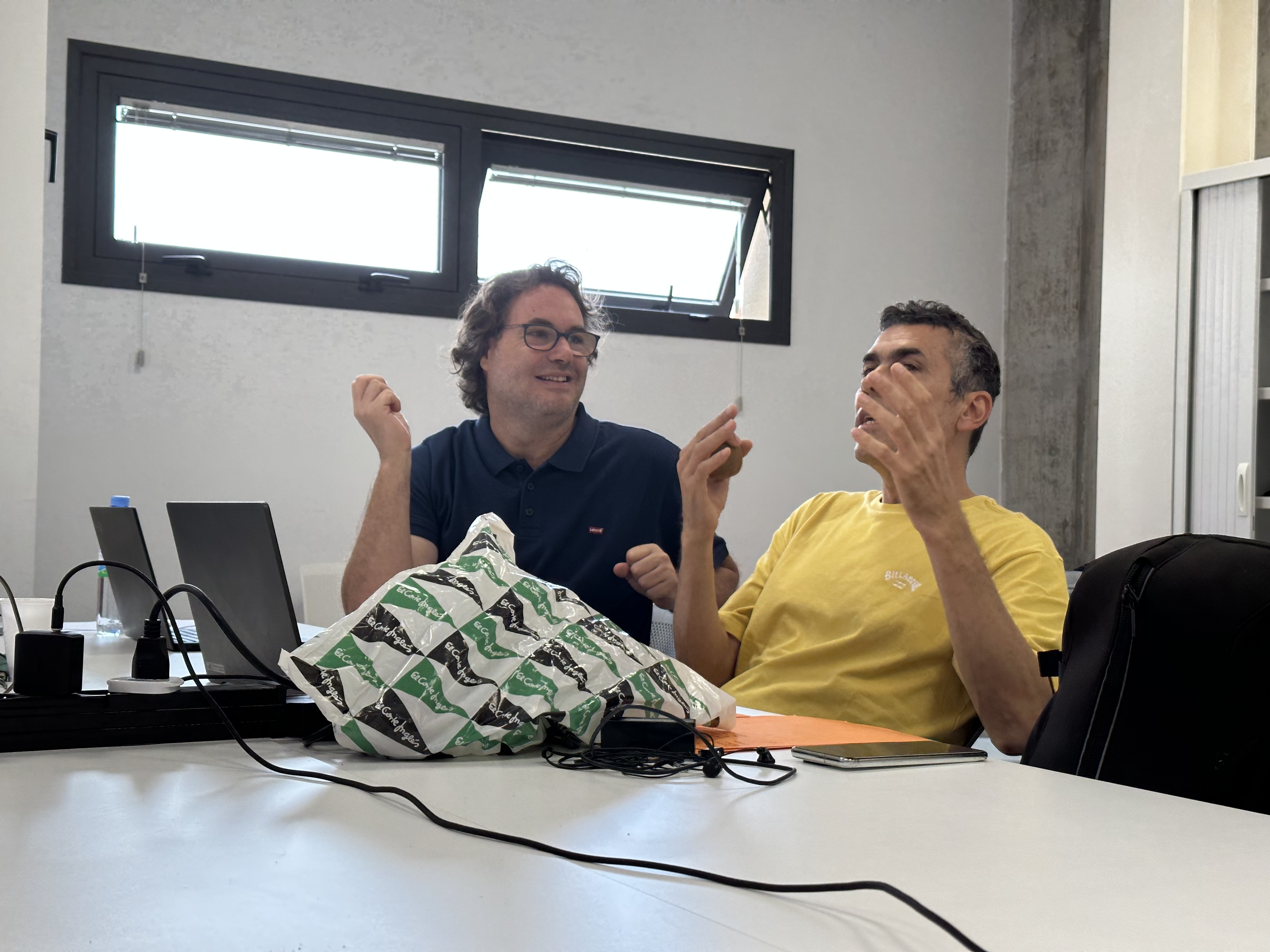
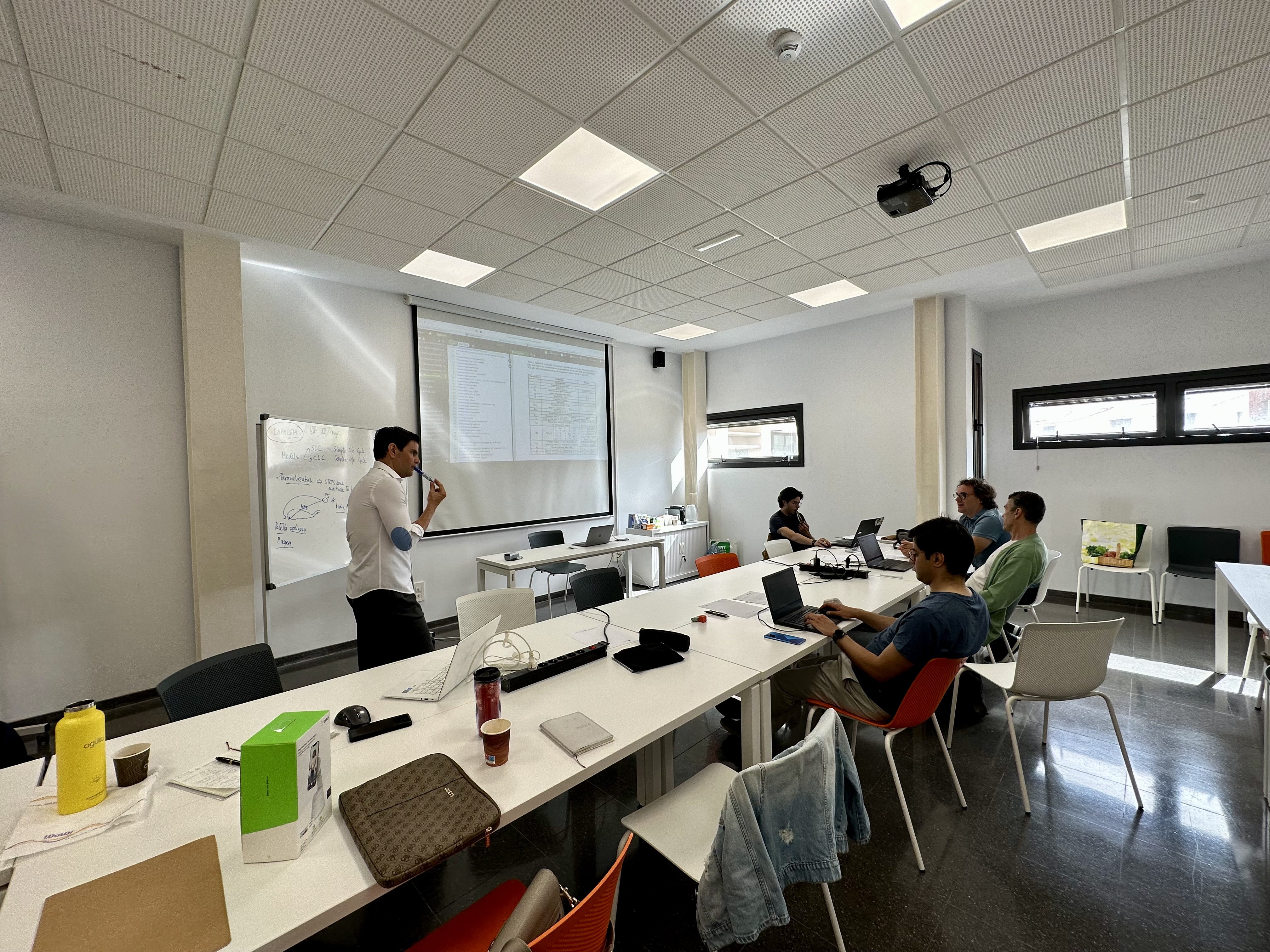
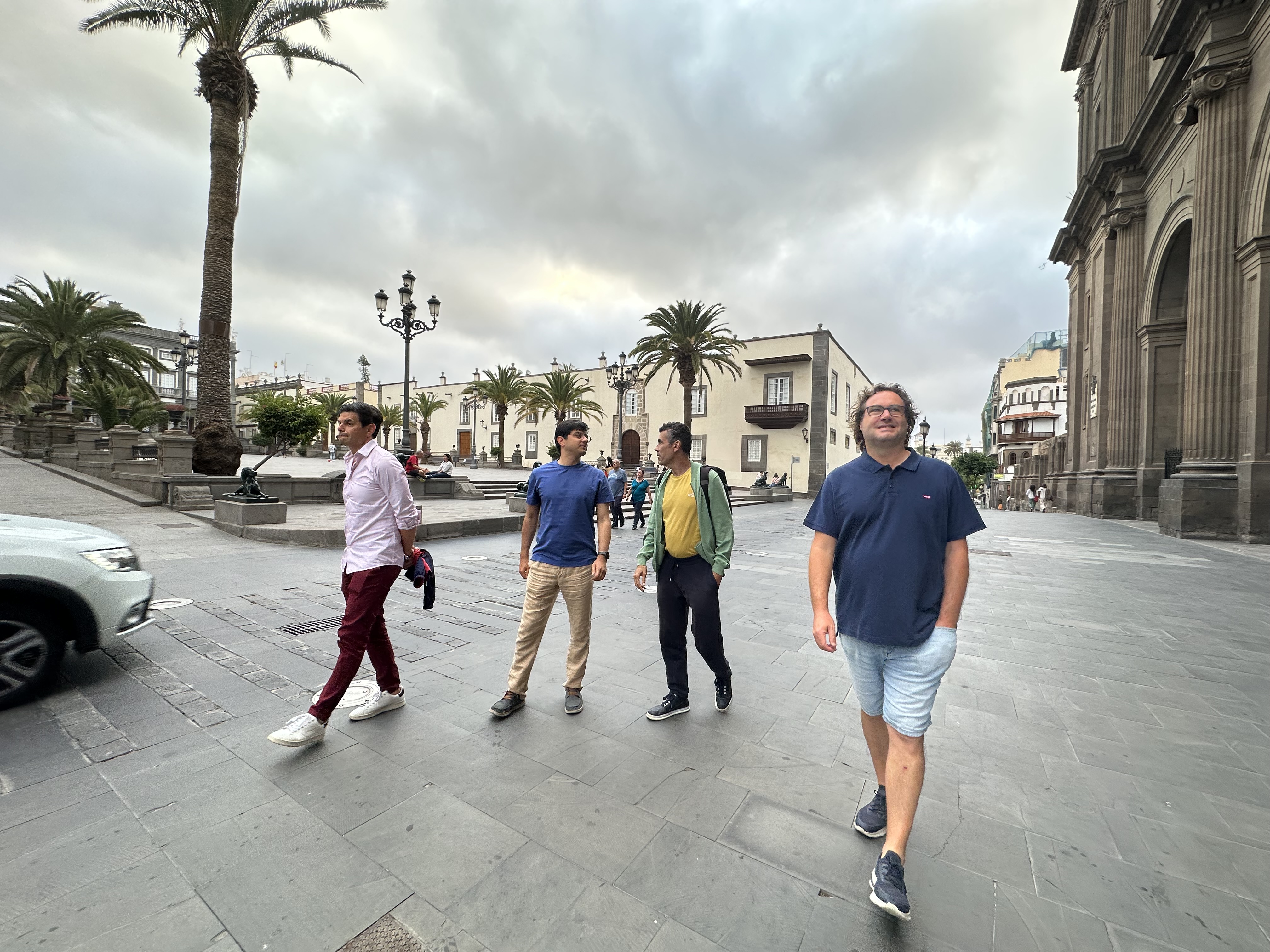
Between May 8 and 12, 2023, the fourth meeting and workshop of the project Metacommunity dynamics of complex life cycle species in exploited ecosystems (LAPACOM, EXPL/MAT-APL/0262/2021), funded by FCT, took place at the University of Las Palmas de Gran Canaria.
View photo gallery
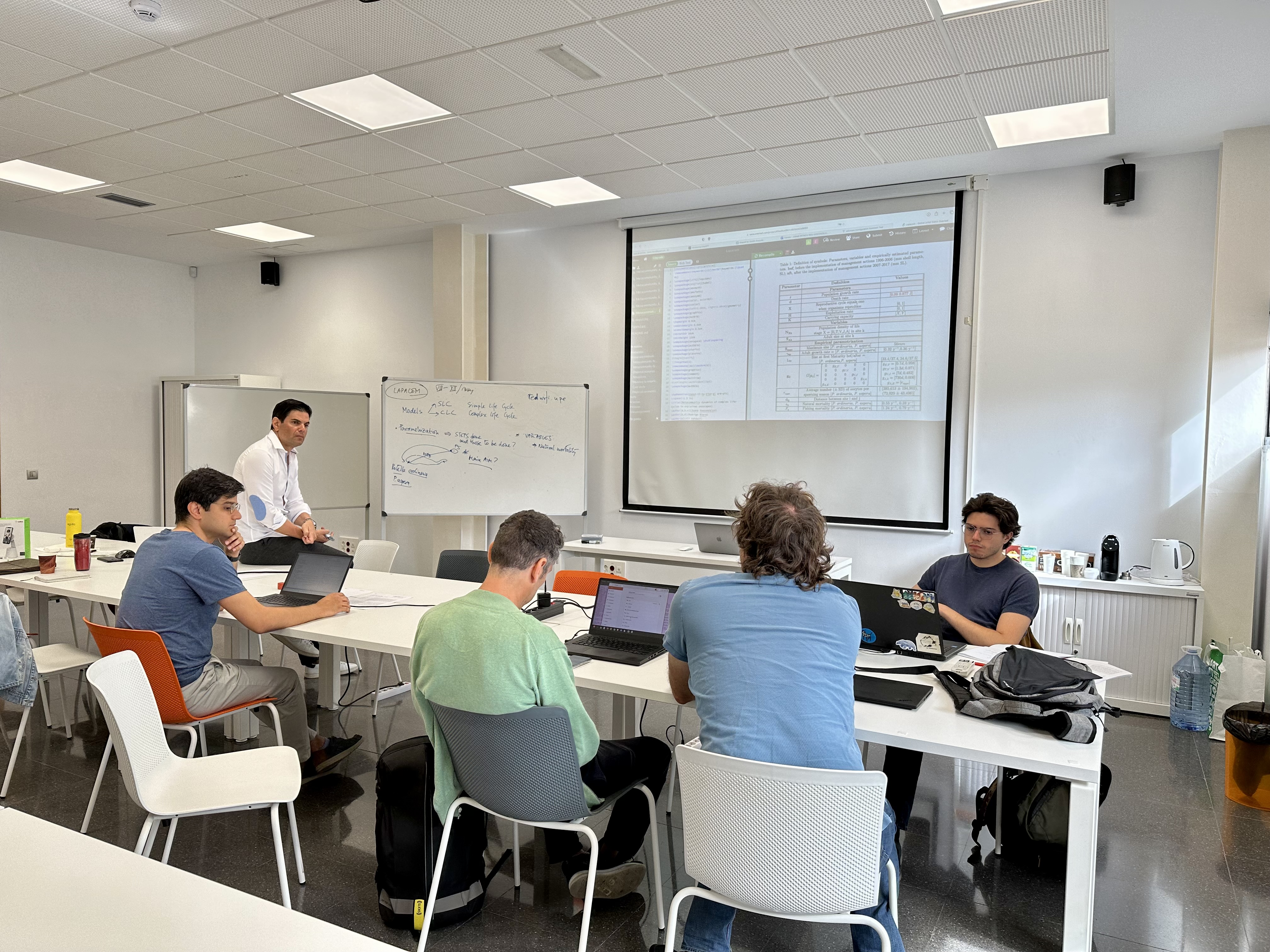
3rd Meeting & Workshop of the LAPACOM Project
EXPL/MAT-APL/0262/2021 · FCT
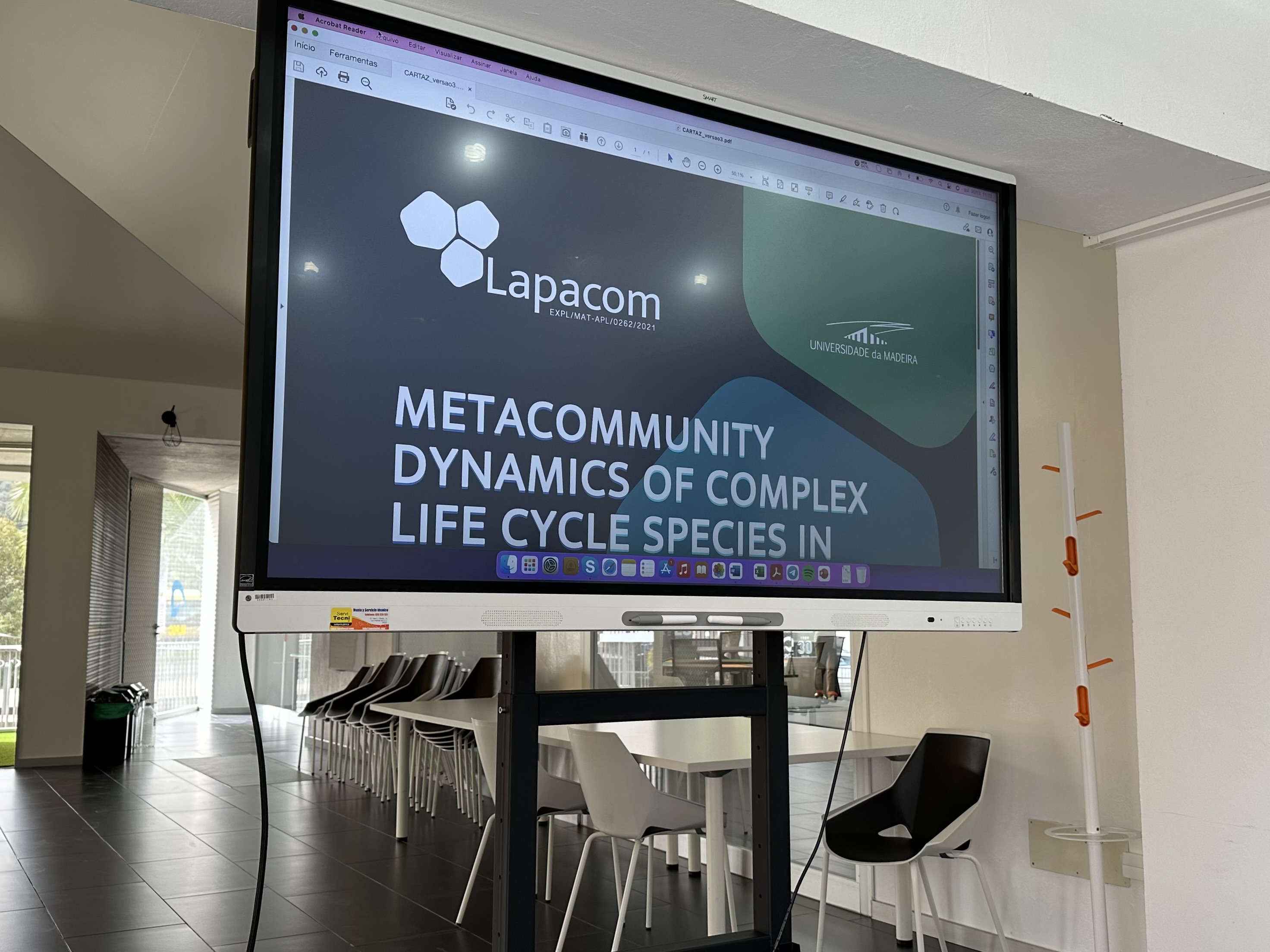
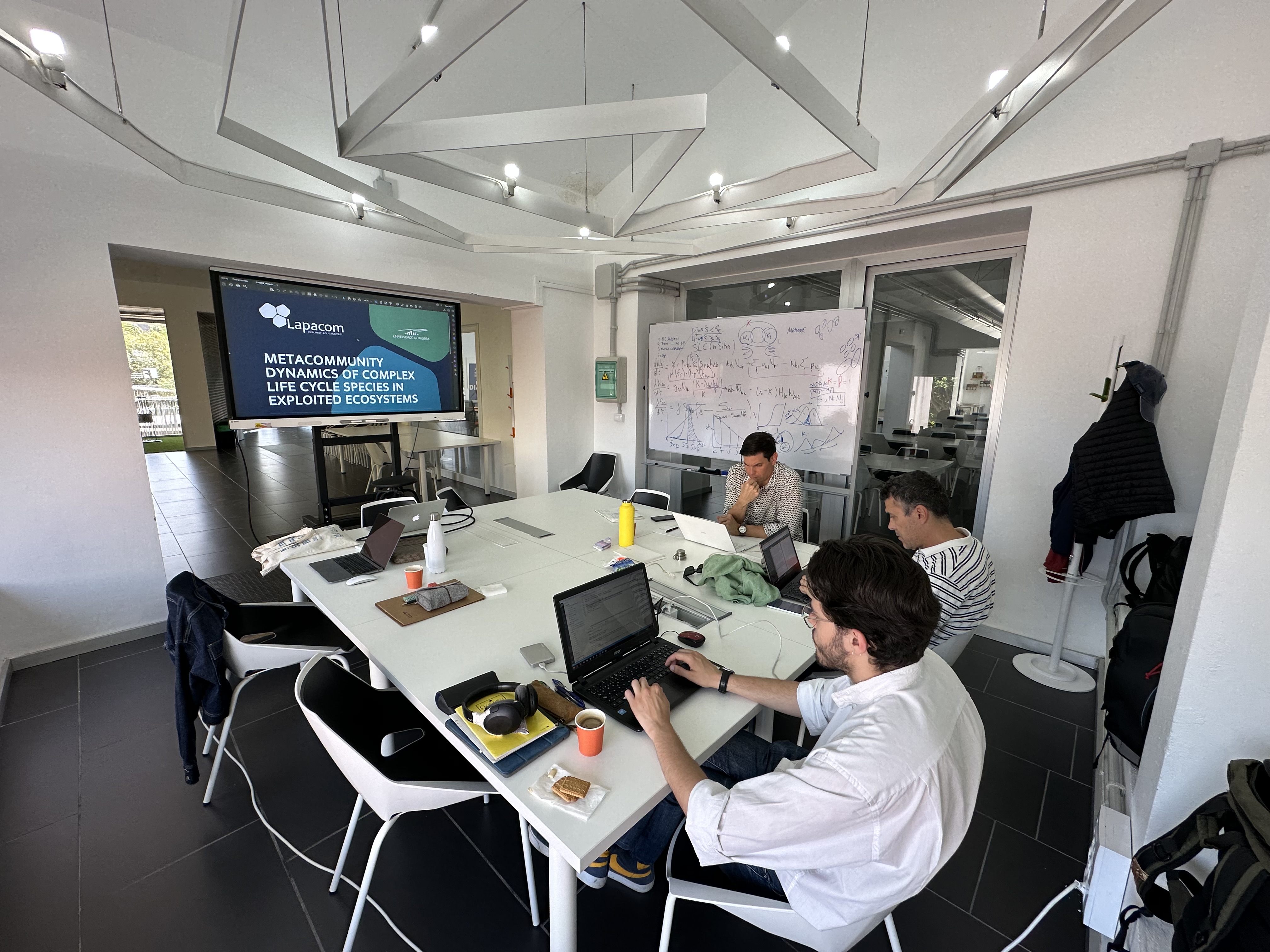
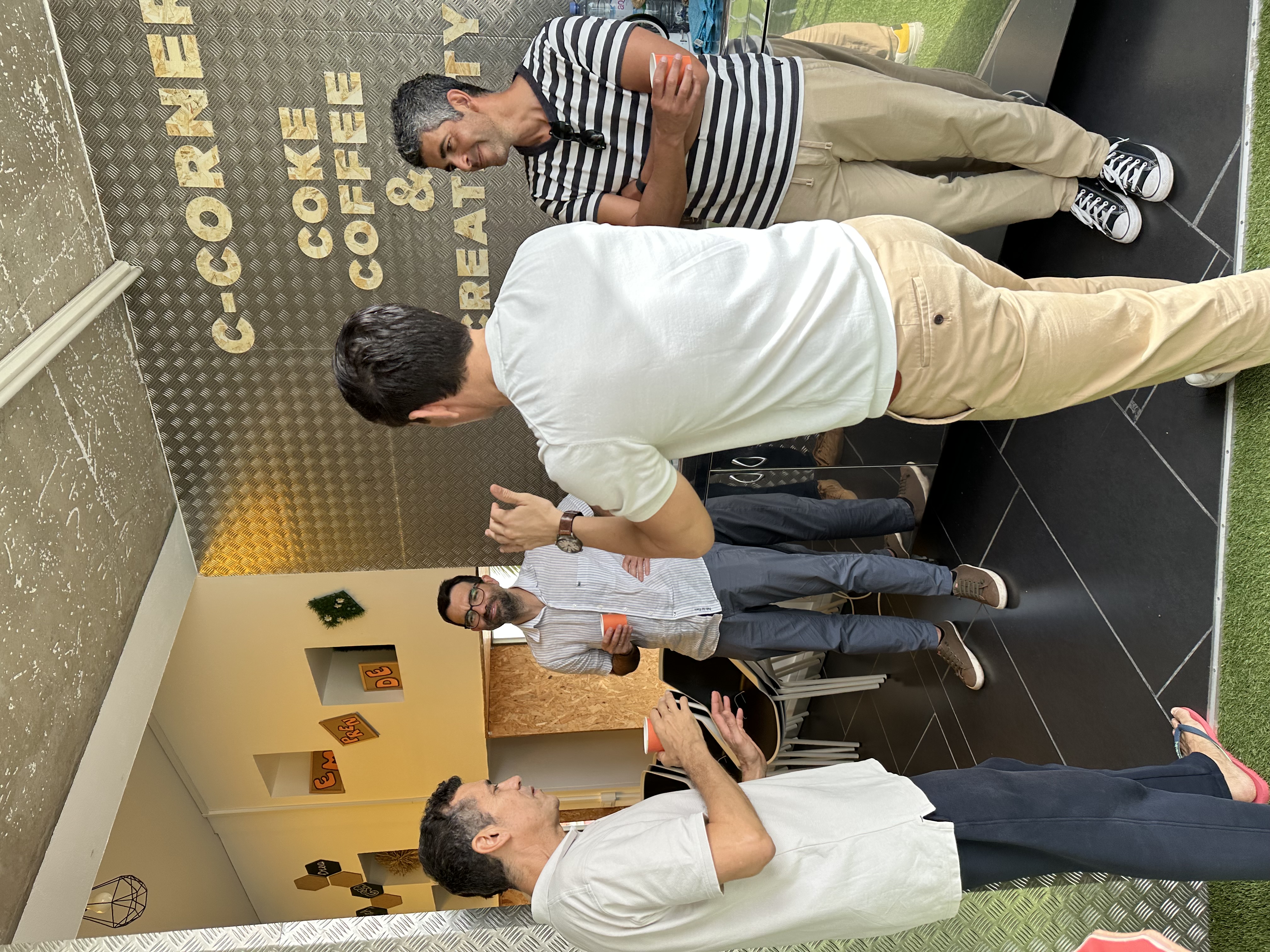
Between March 27 and 31, 2023, the third LAPACOM meeting and workshop took place at the NEXO building of the University of Las Palmas de Gran Canaria. The meeting brought together project researchers and collaborators for scientific discussion, brainstorming and exchange of ideas.
View photo gallery
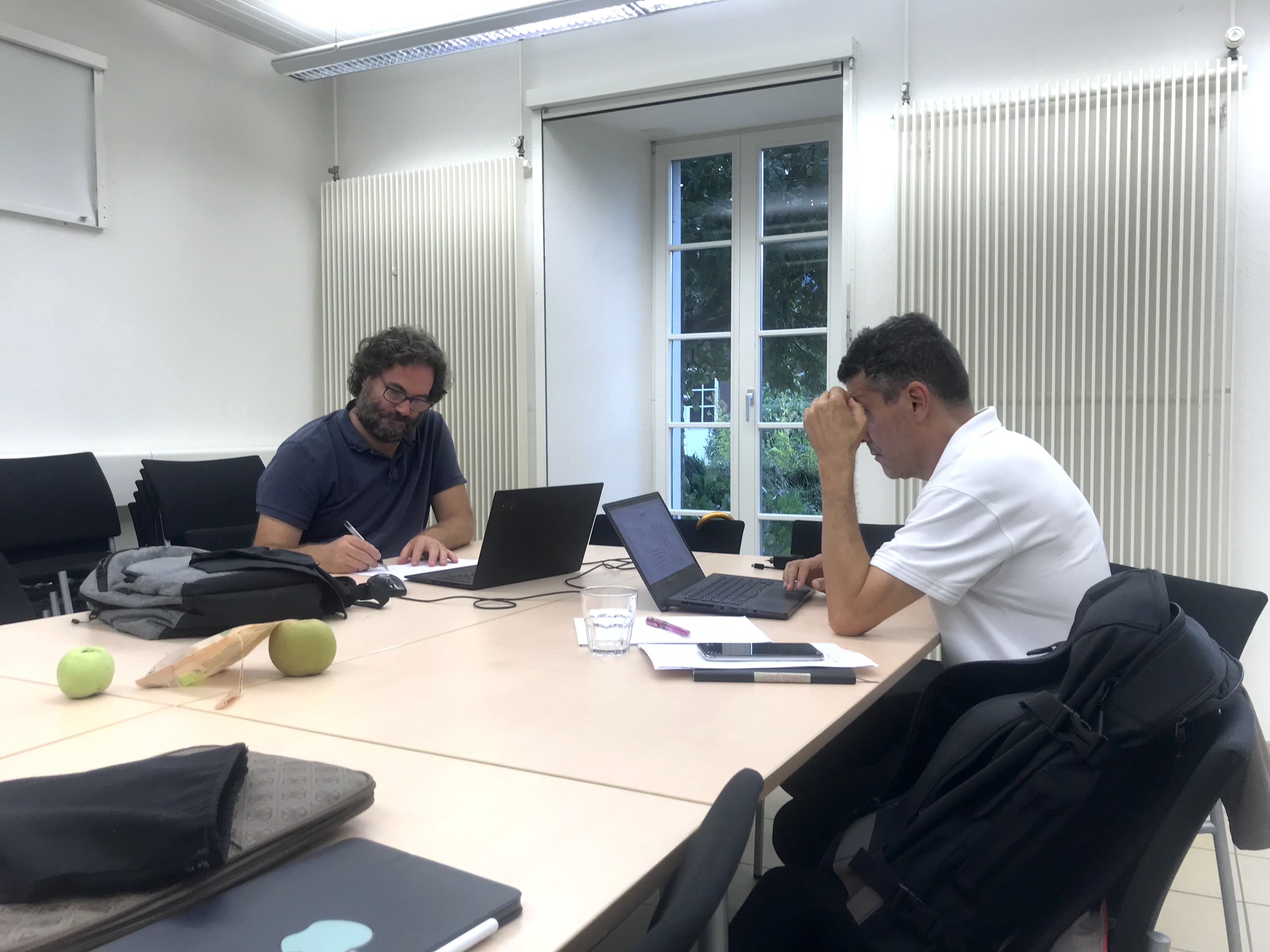
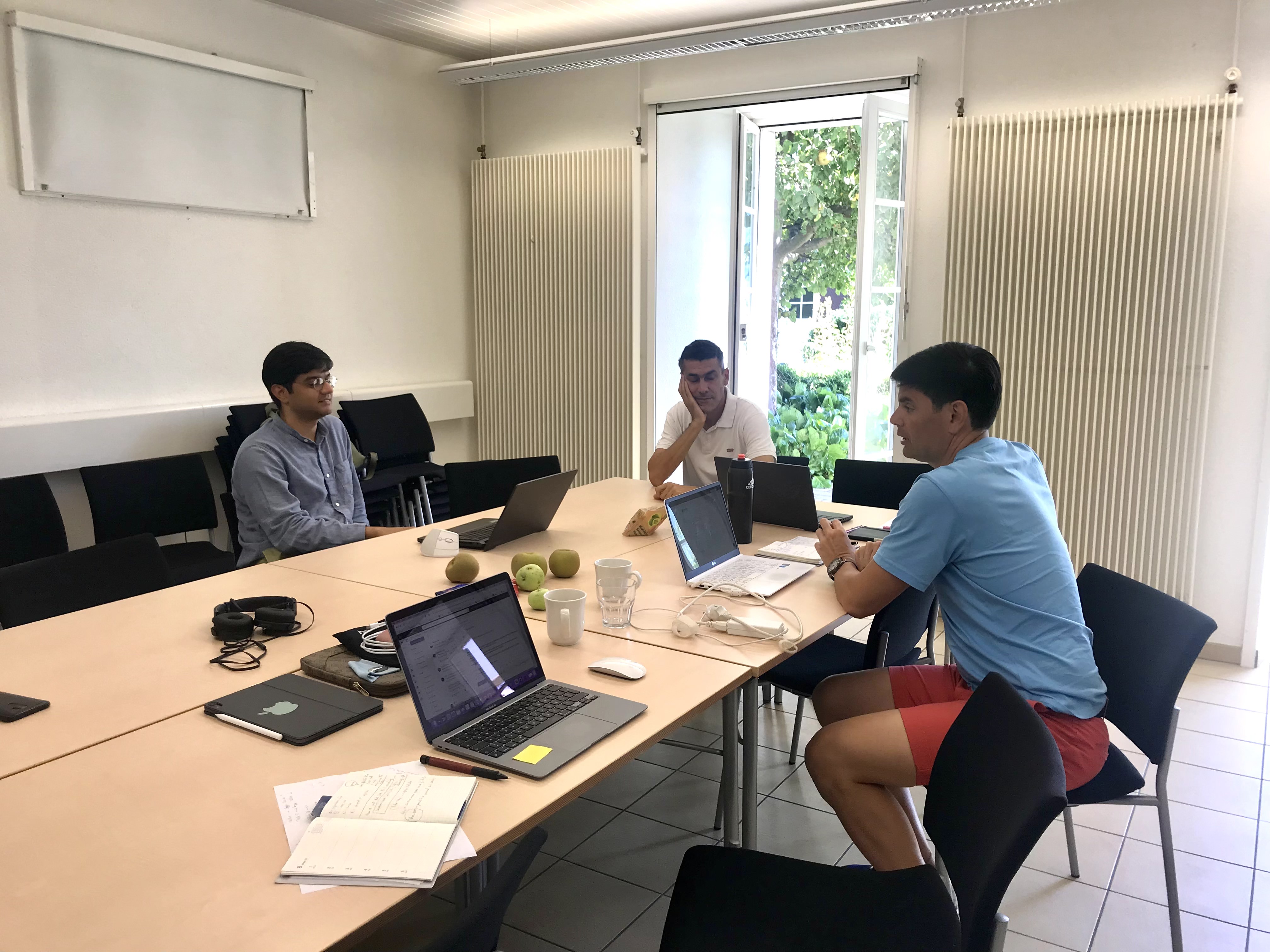
Workshop at EAWAG
Horw · Lucerne · Switzerland
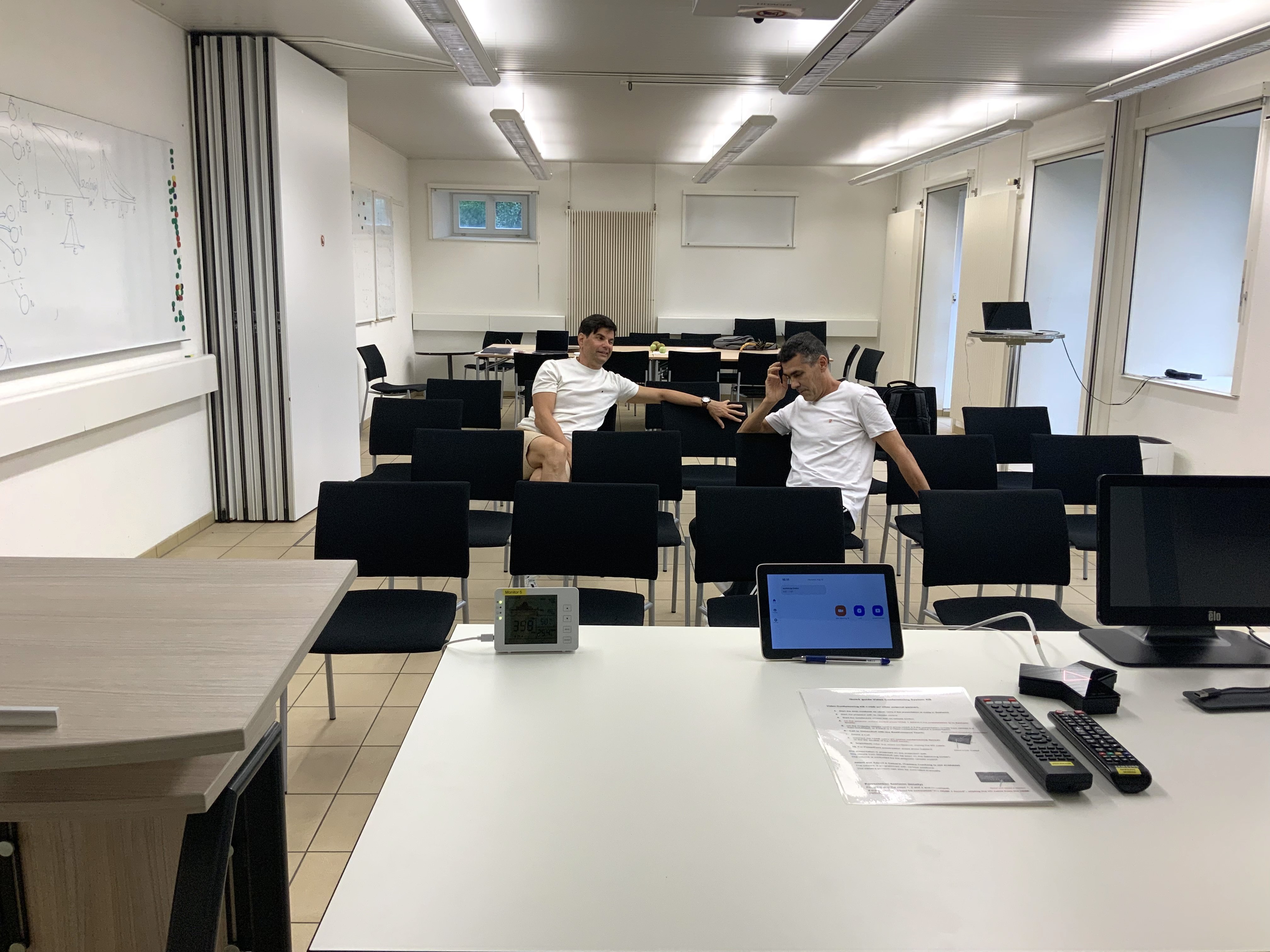
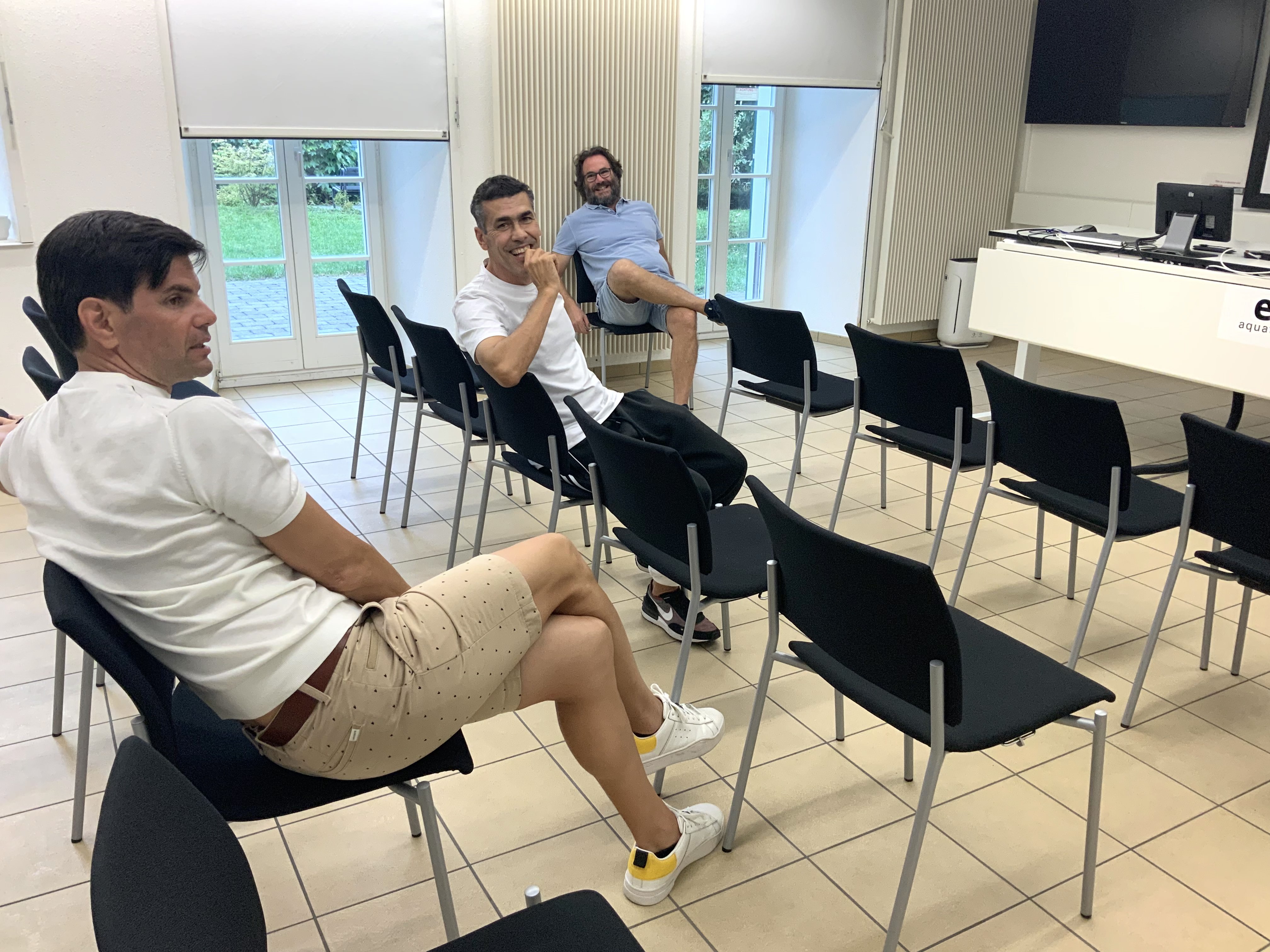
The second meeting of the LAPACOM project was held at EAWAG headquarters in Horw, Lucerne, Switzerland. The meeting coincided with a workshop organized by Dr. C. Melián from EAWAG.
View photo gallery
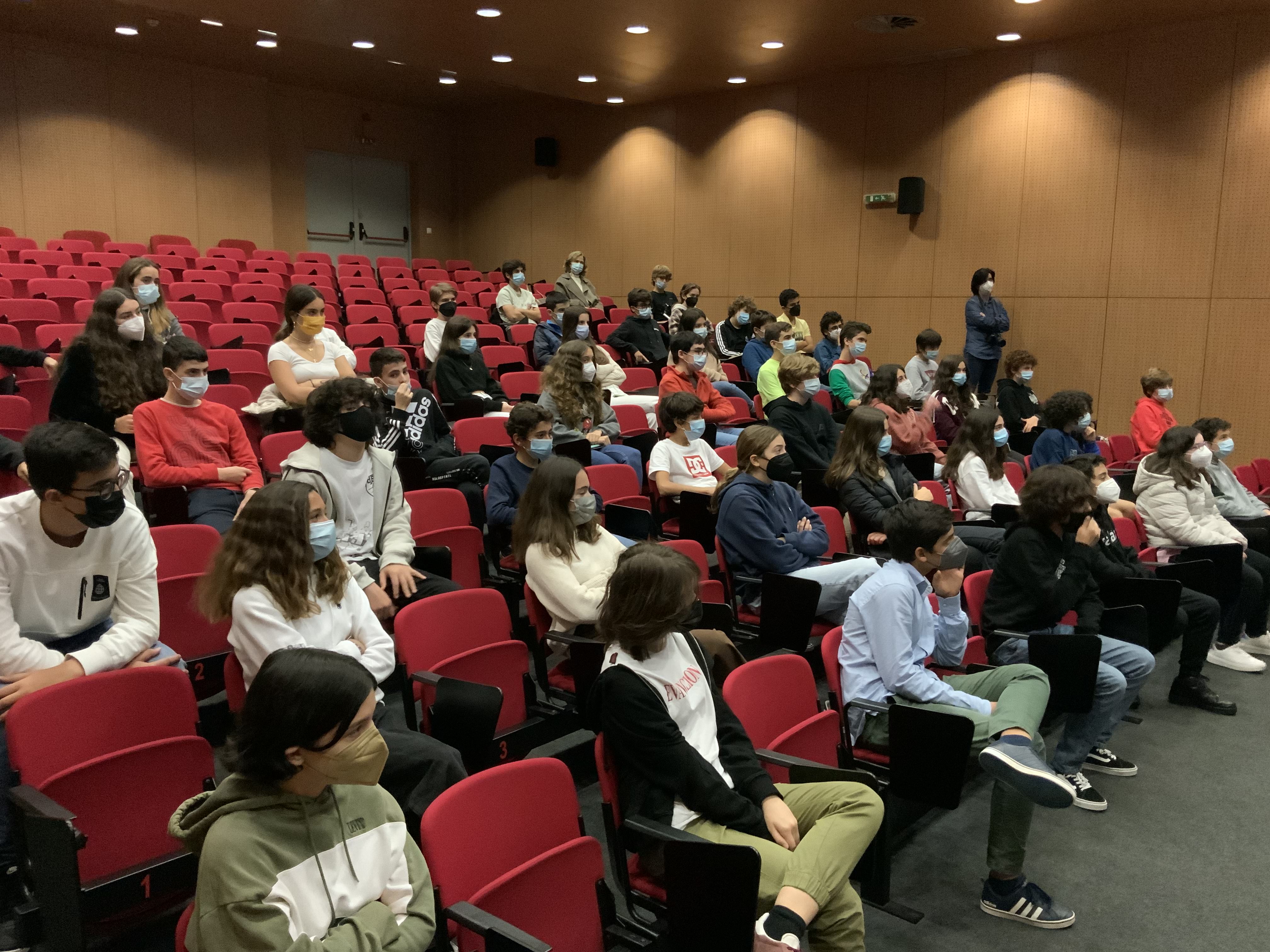
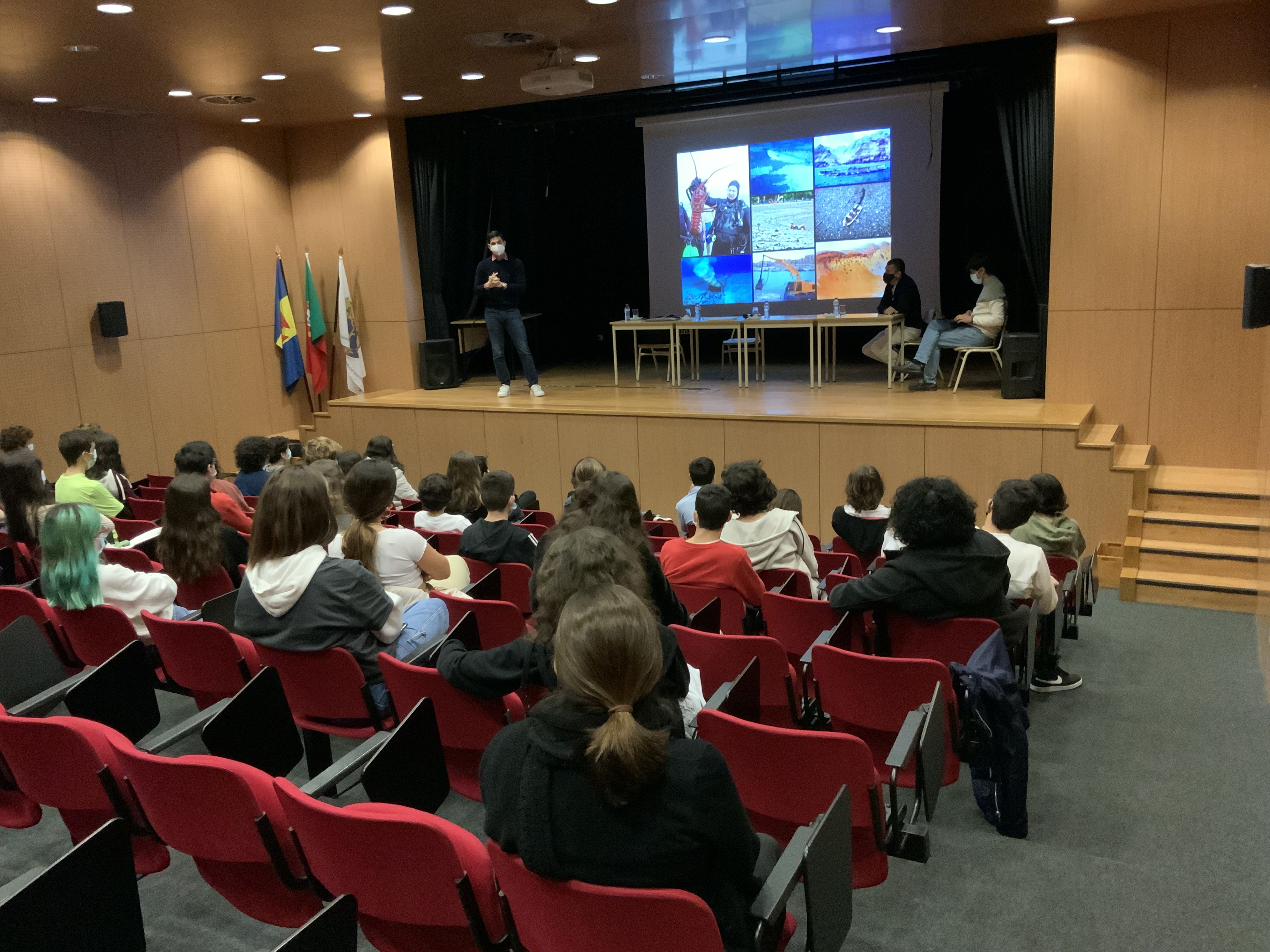
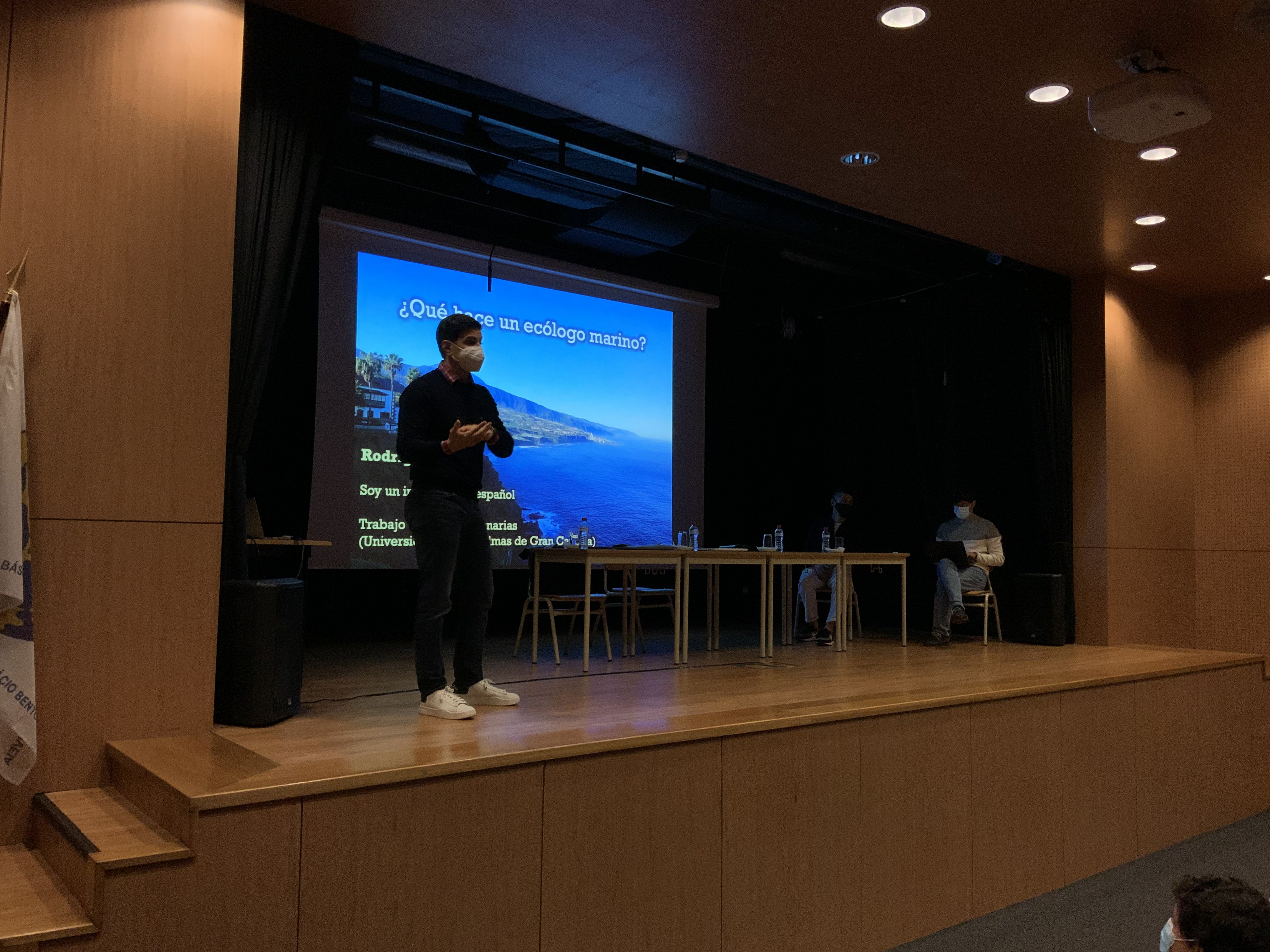
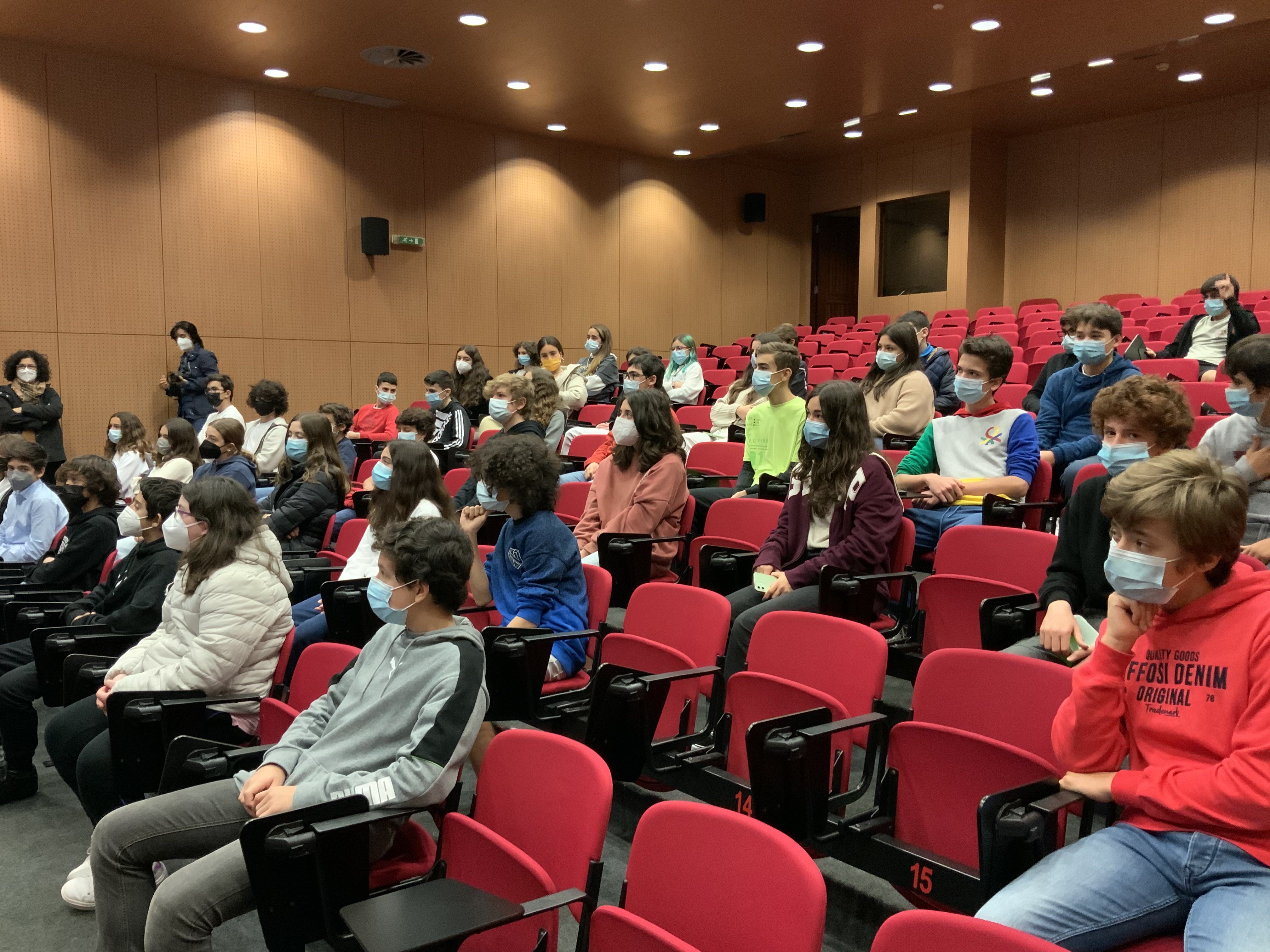
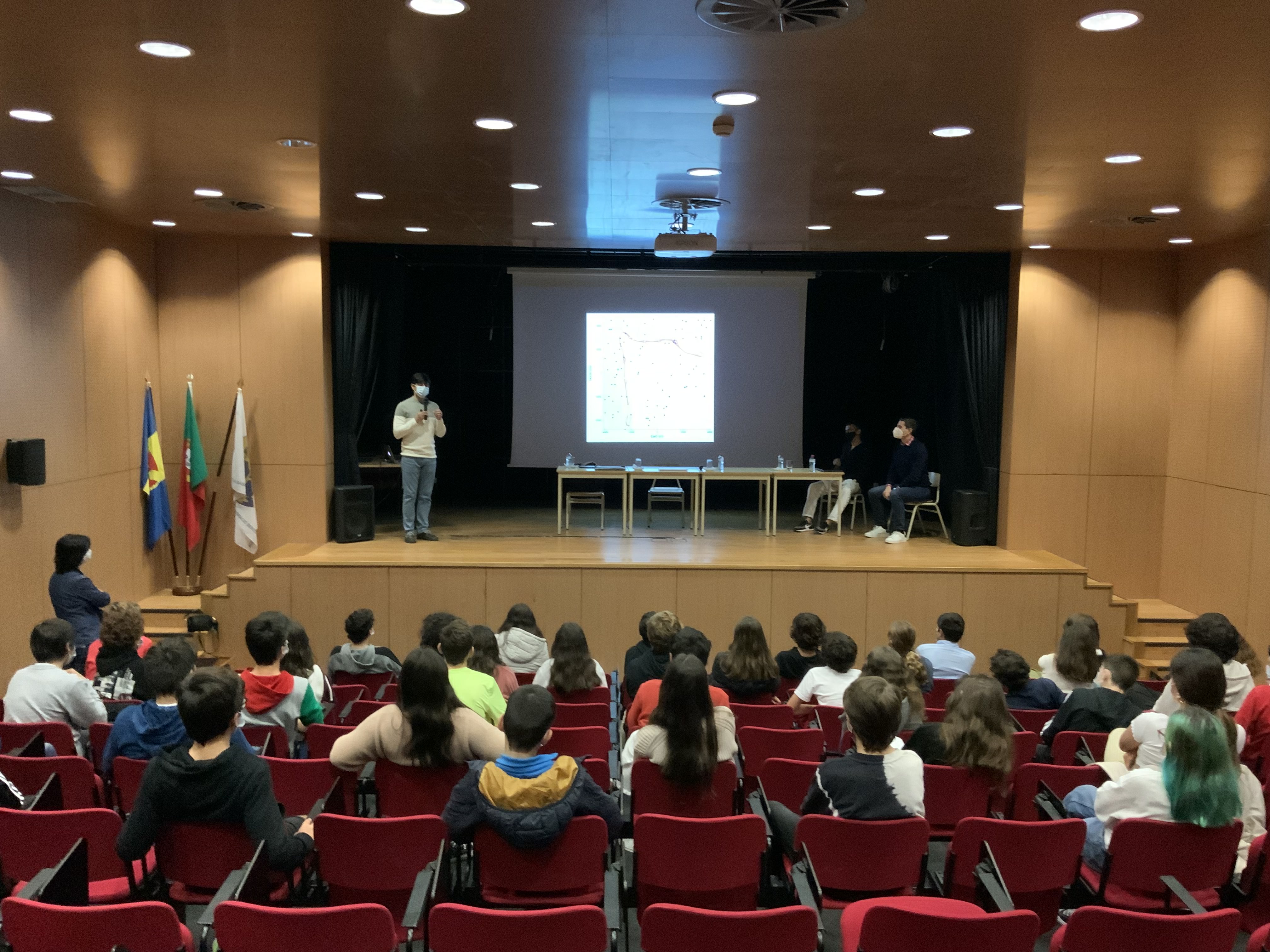
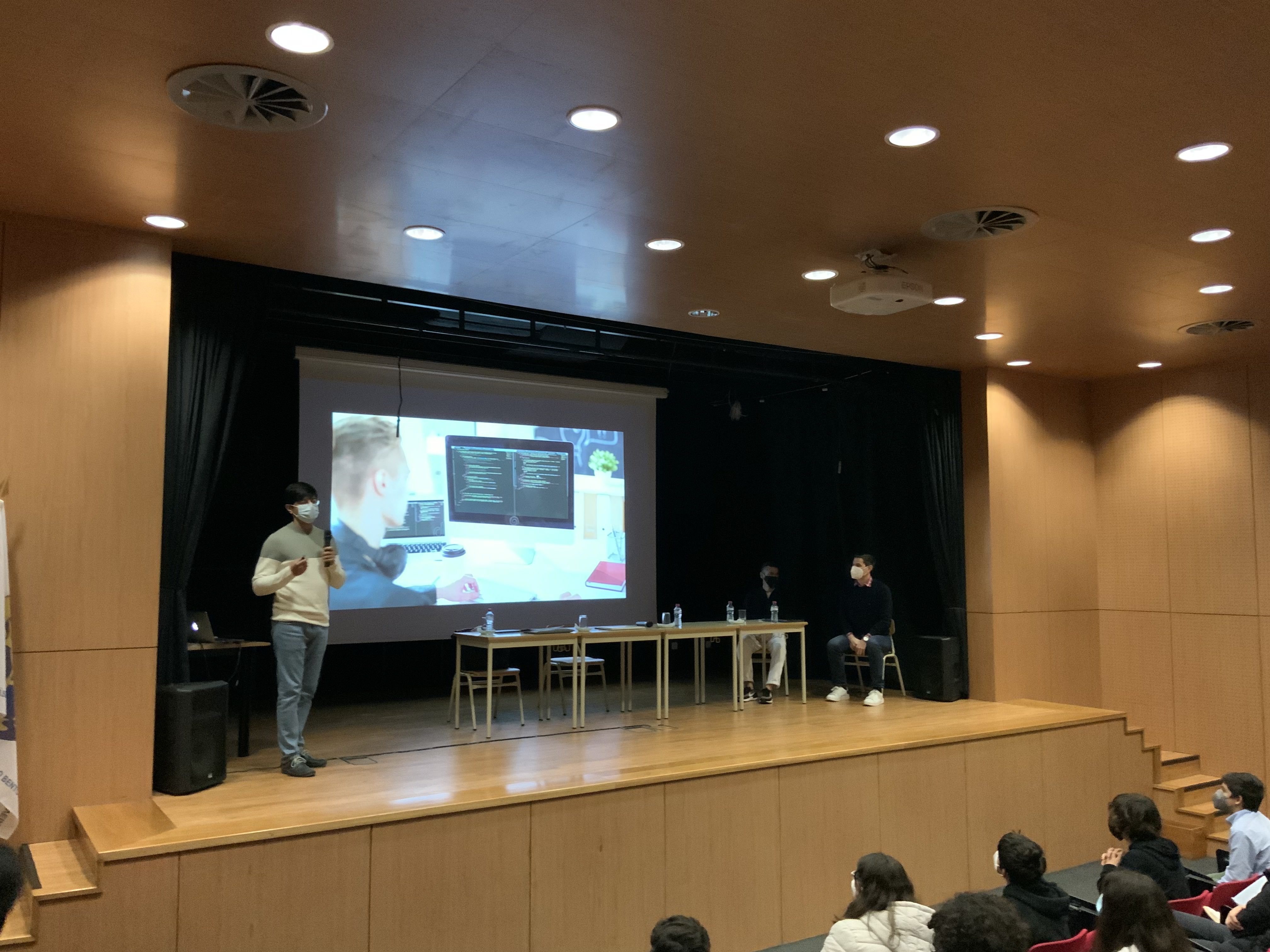
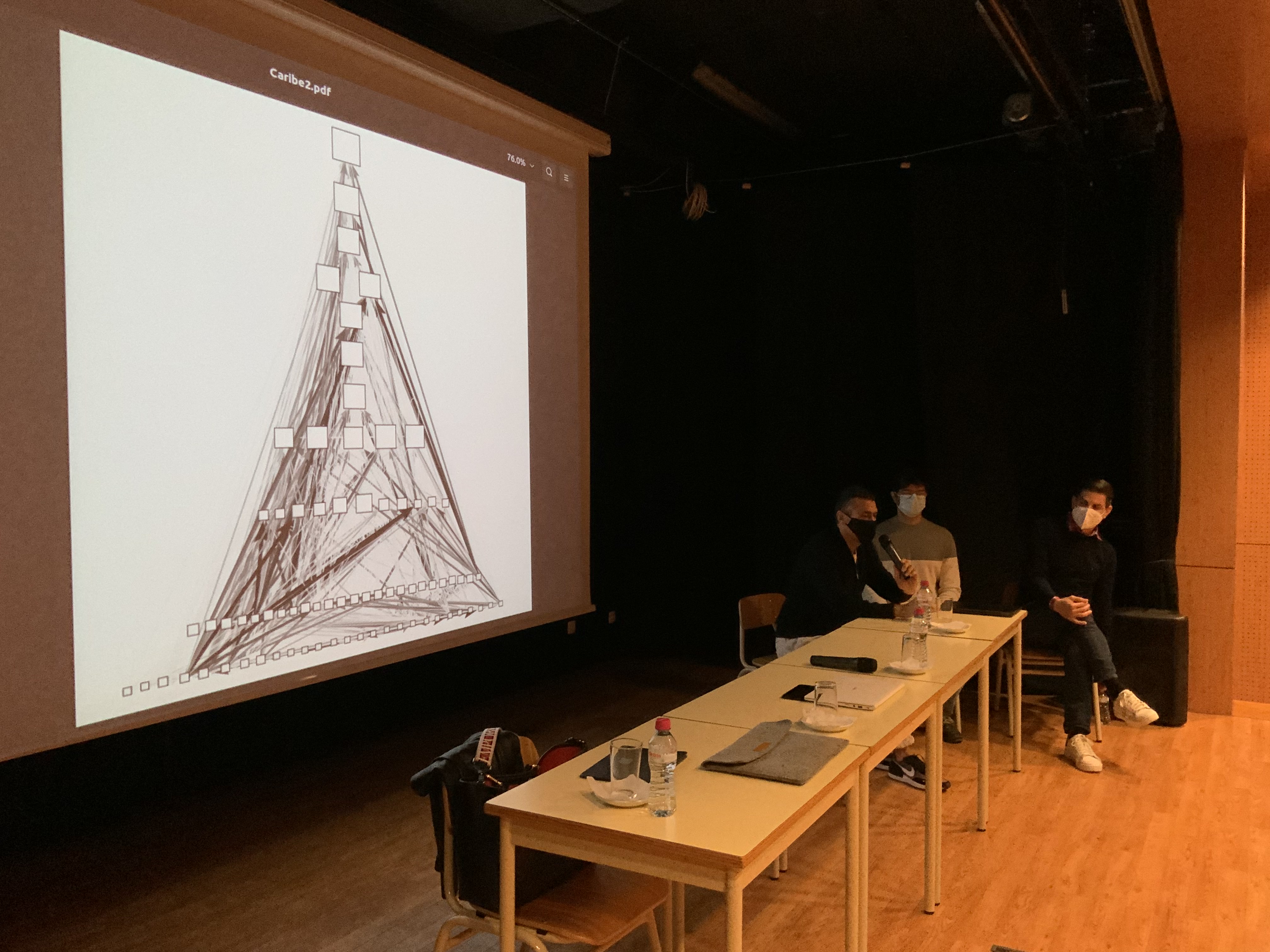
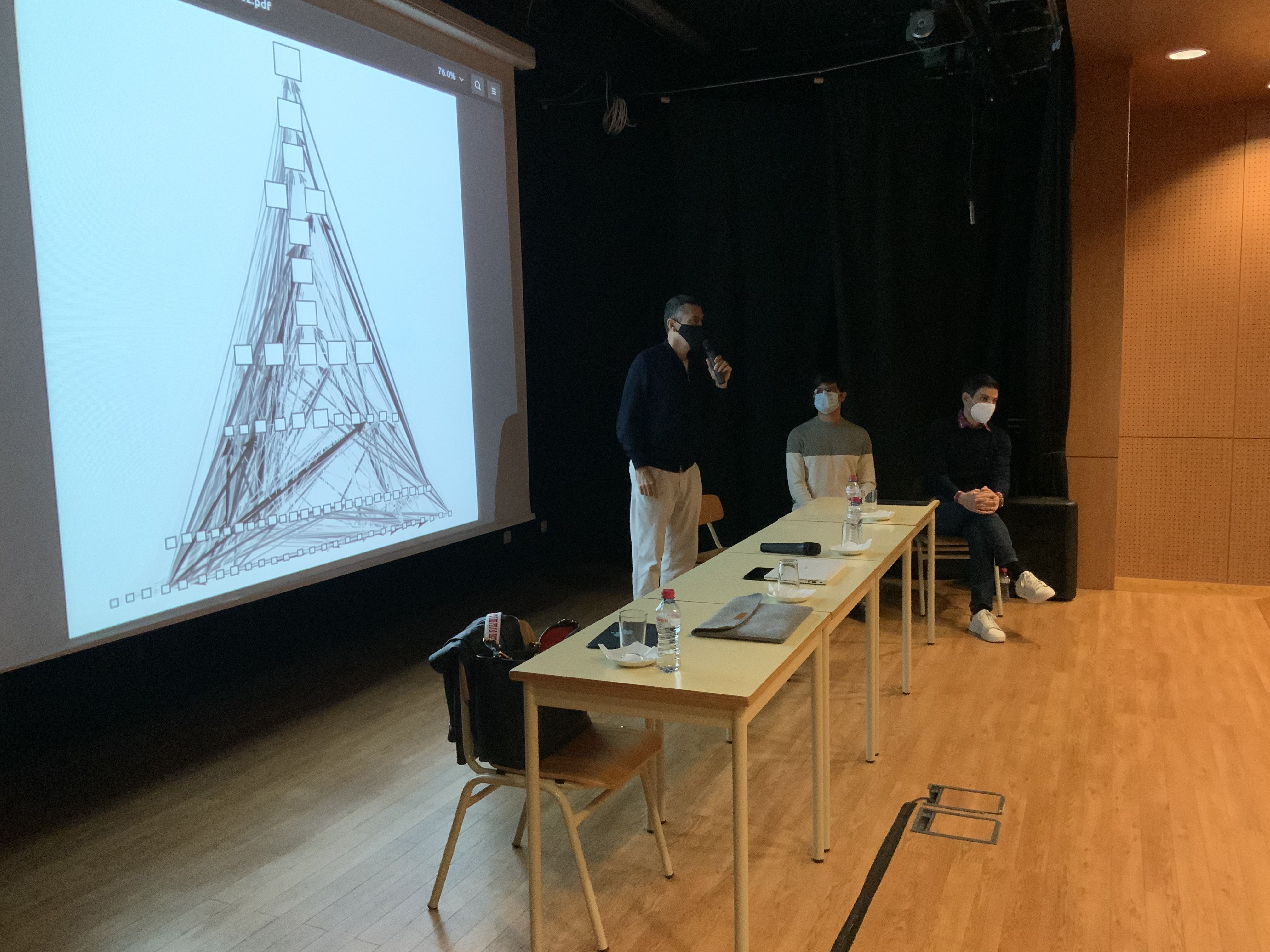
A Day in the Life of a Researcher
Horácio Bento de Gouveia School
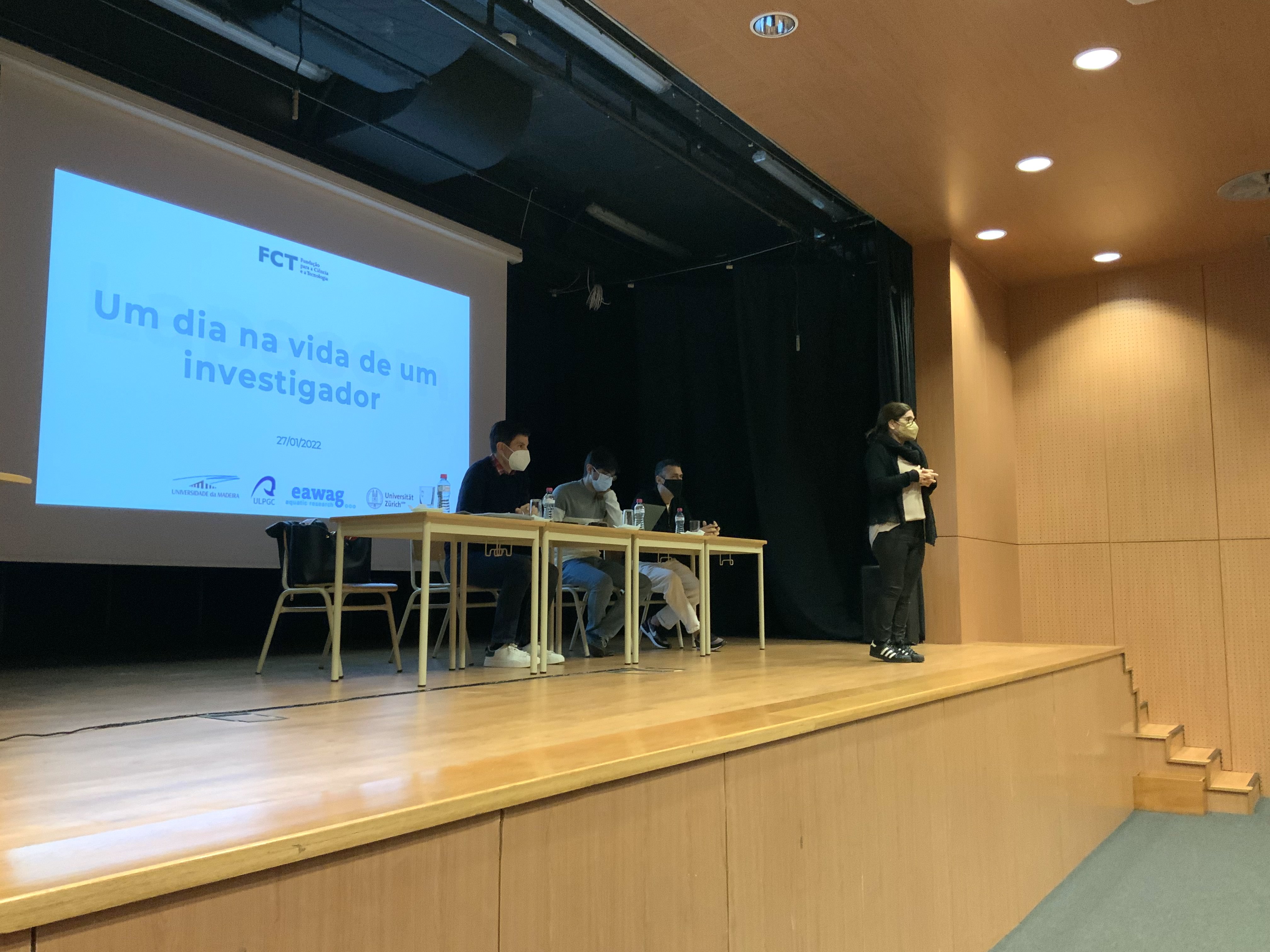
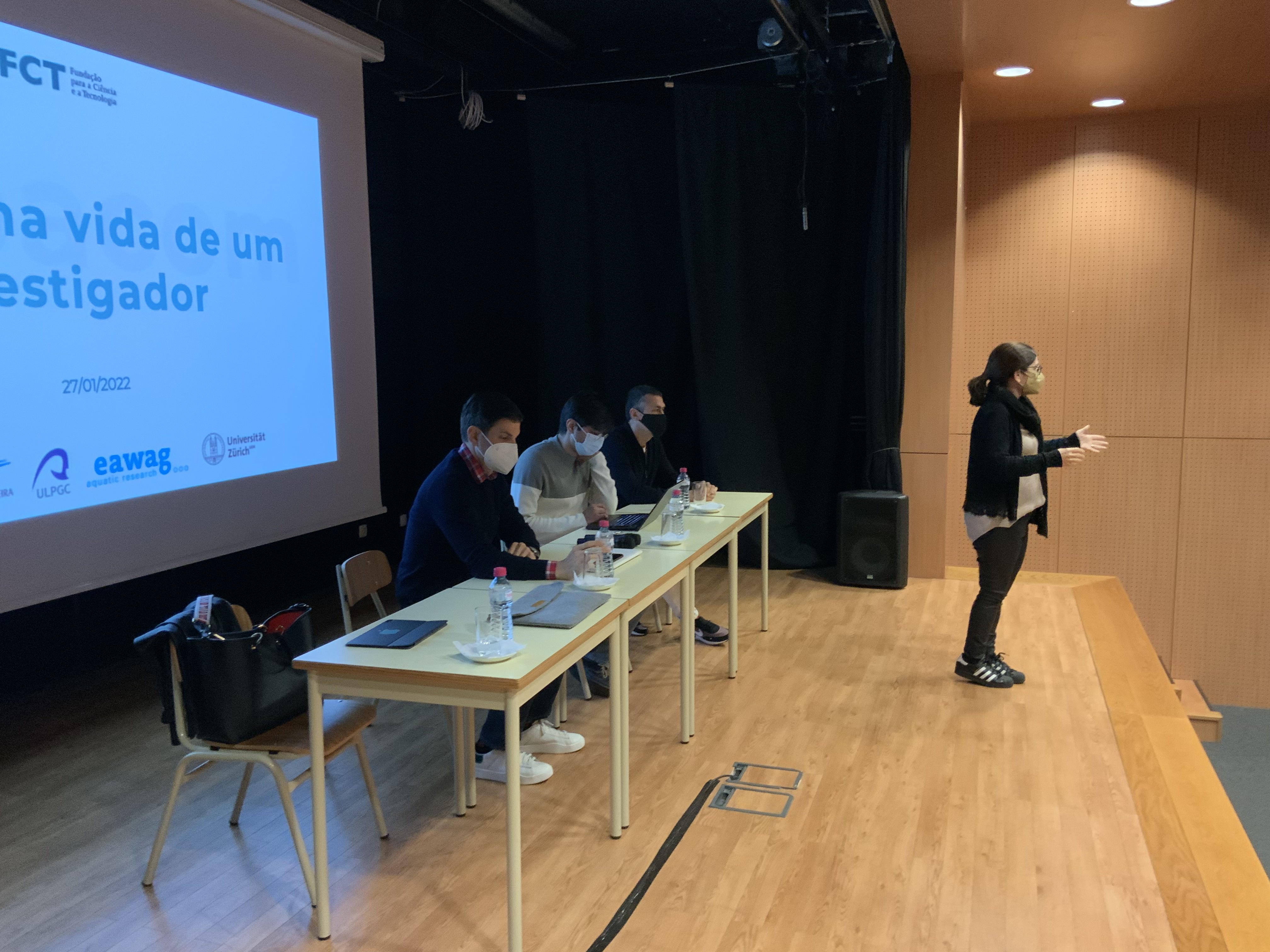
Scientific outreach lecture at the Horácio Bento de Gouveia School developed within the activities of the FCT-funded LAPACOM project. The invited speakers were Dr. Rodrigo Riera, Dr. Carlos Melian and Dr. Ali Vahdati.
View photo gallery
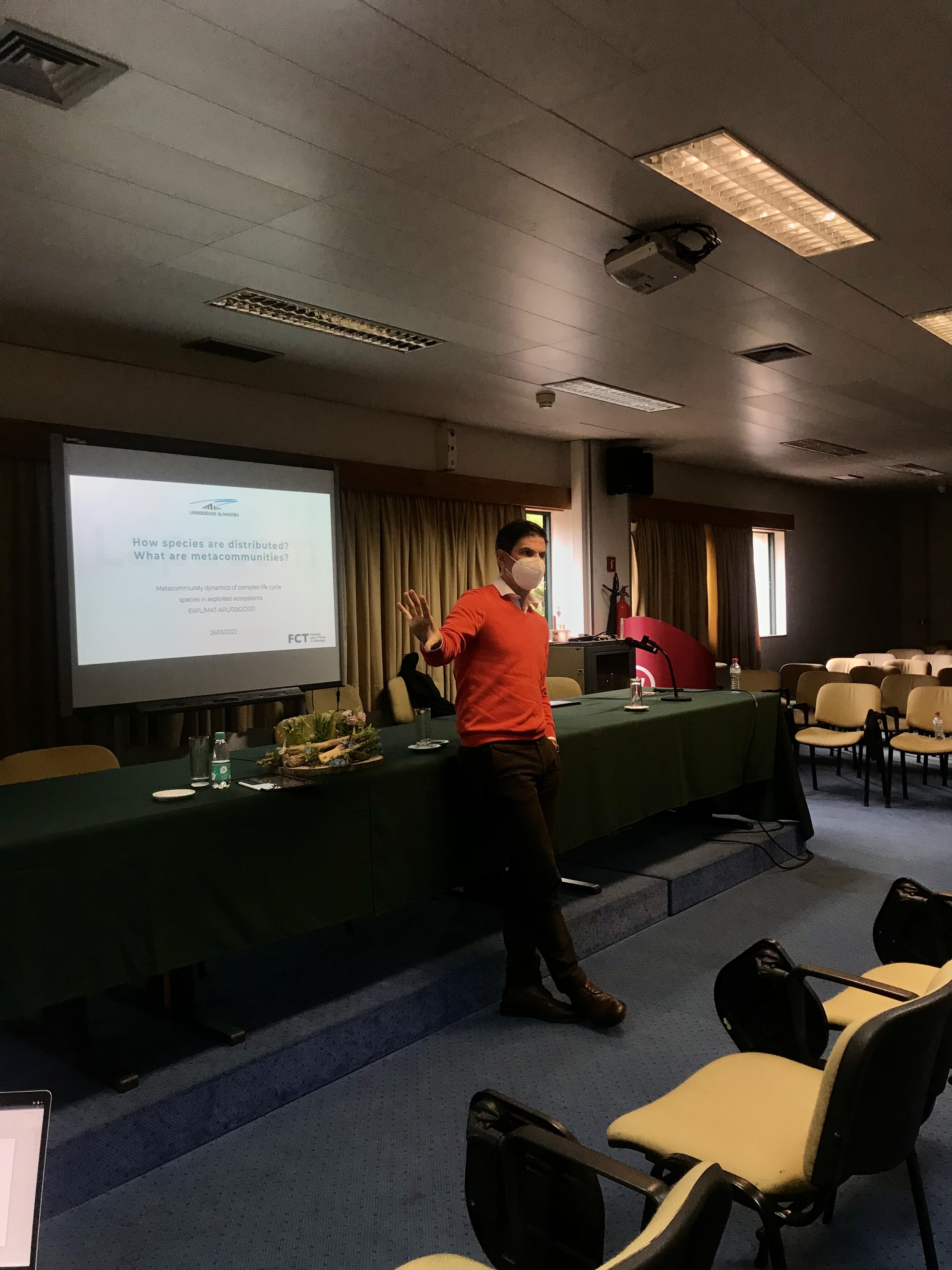
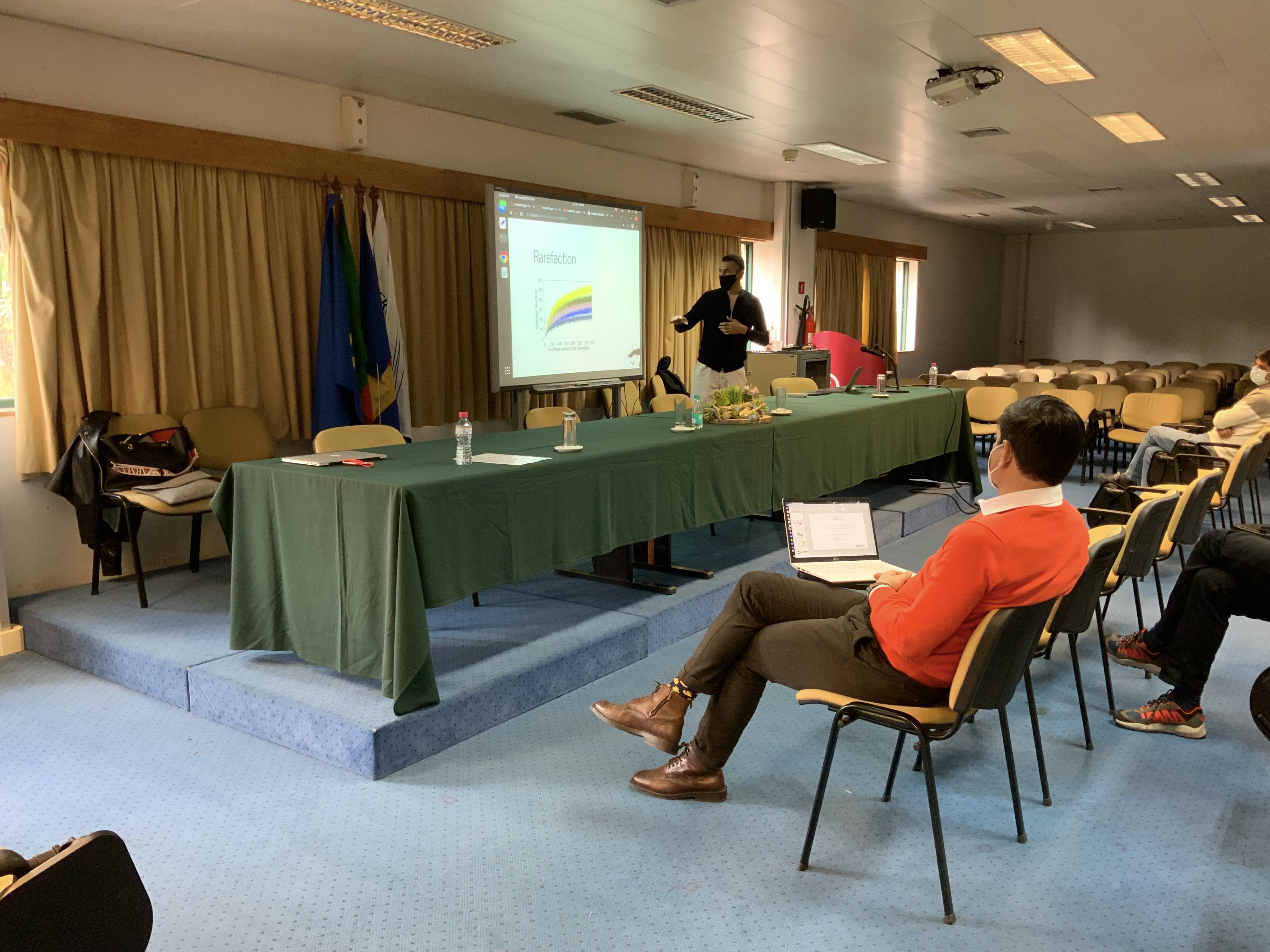
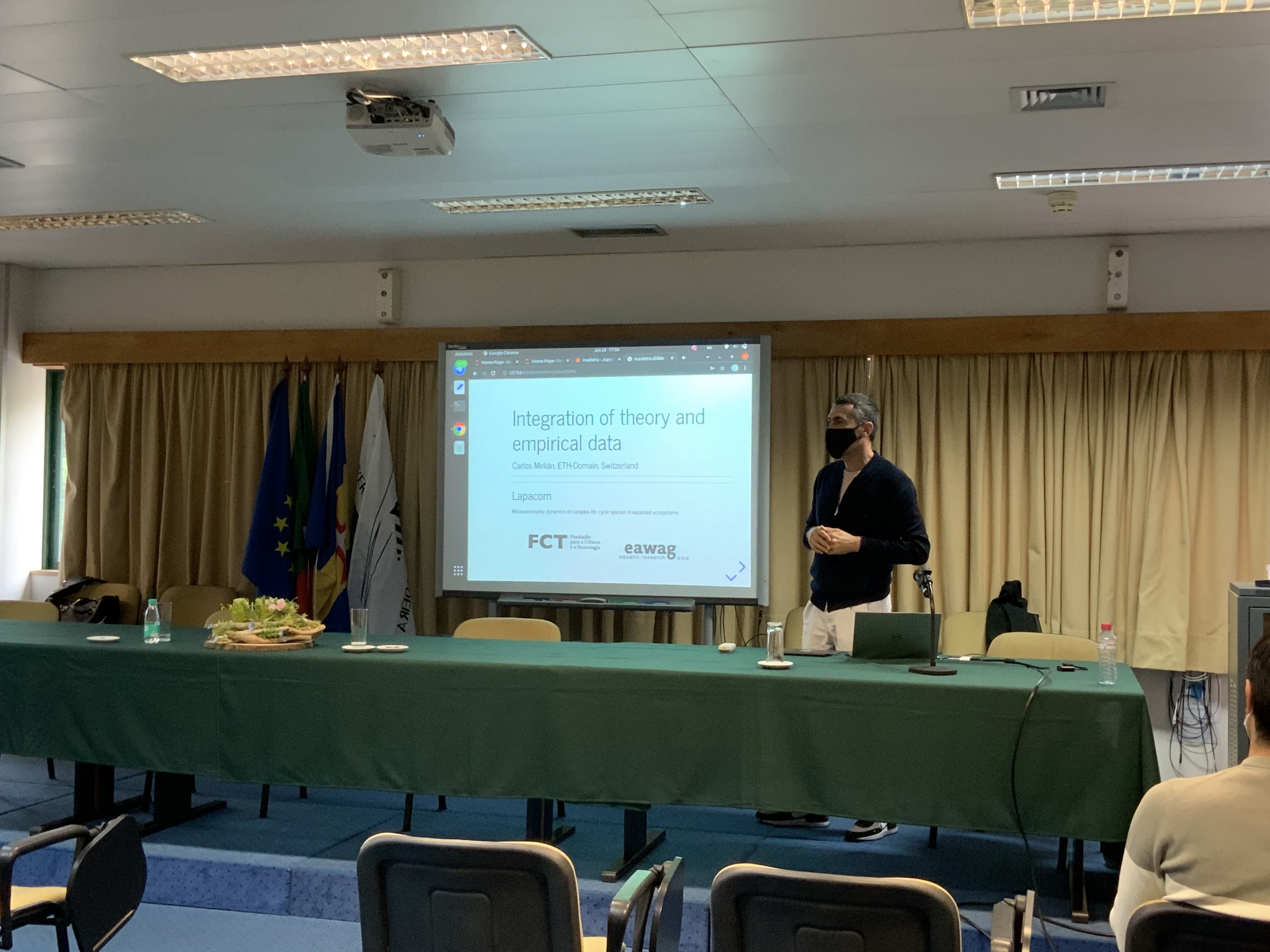
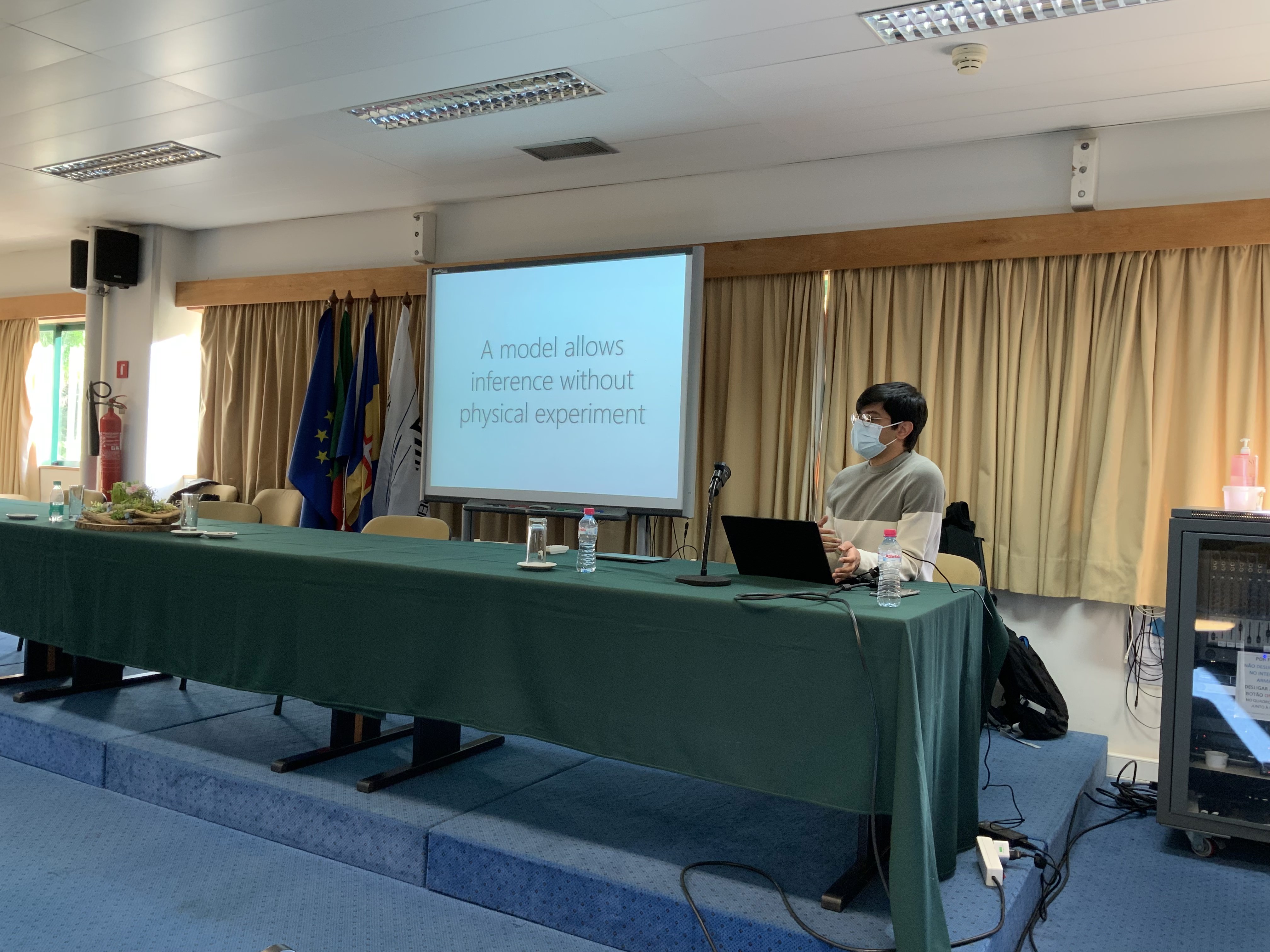
Senior Lectures at the University of Madeira
LAPACOM Project
A series of lectures by researchers participating in the LAPACOM project was held at the University of Madeira.
View programme & photos
16:00 Presentation of invited speakers in the scope of the LAPACOM project.
16:10 “Integration of Theory and empirical data”, Dr. Carlos Melián, EAWAG.
16:35 “What is coding? Why is cool?”, Dr. Ali Vadhati, University of Zurich.
17:00 “How are species distributed? What are metacommunities?”, Dr. Rodrigo Riera, University of Las Palmas de Gran Canaria.
- © Untitled
- Design: HTML5 UP